Jamaica Warning Signs
Alert drivers to potential hazards ahead
54 signs in this category
Warning signs alert you to hazards or changing conditions ahead on Jamaica roads, such as bends, junctions, pedestrian crossings and slippery surfaces, giving you time to slow down and react safely. They are typically triangular with a red border and a black symbol on a white or yellow background.
Study tip: Focus on the symbol inside the triangle: it tells you exactly what hazard to expect. On the theory test you are often asked to identify the hazard from the symbol alone.
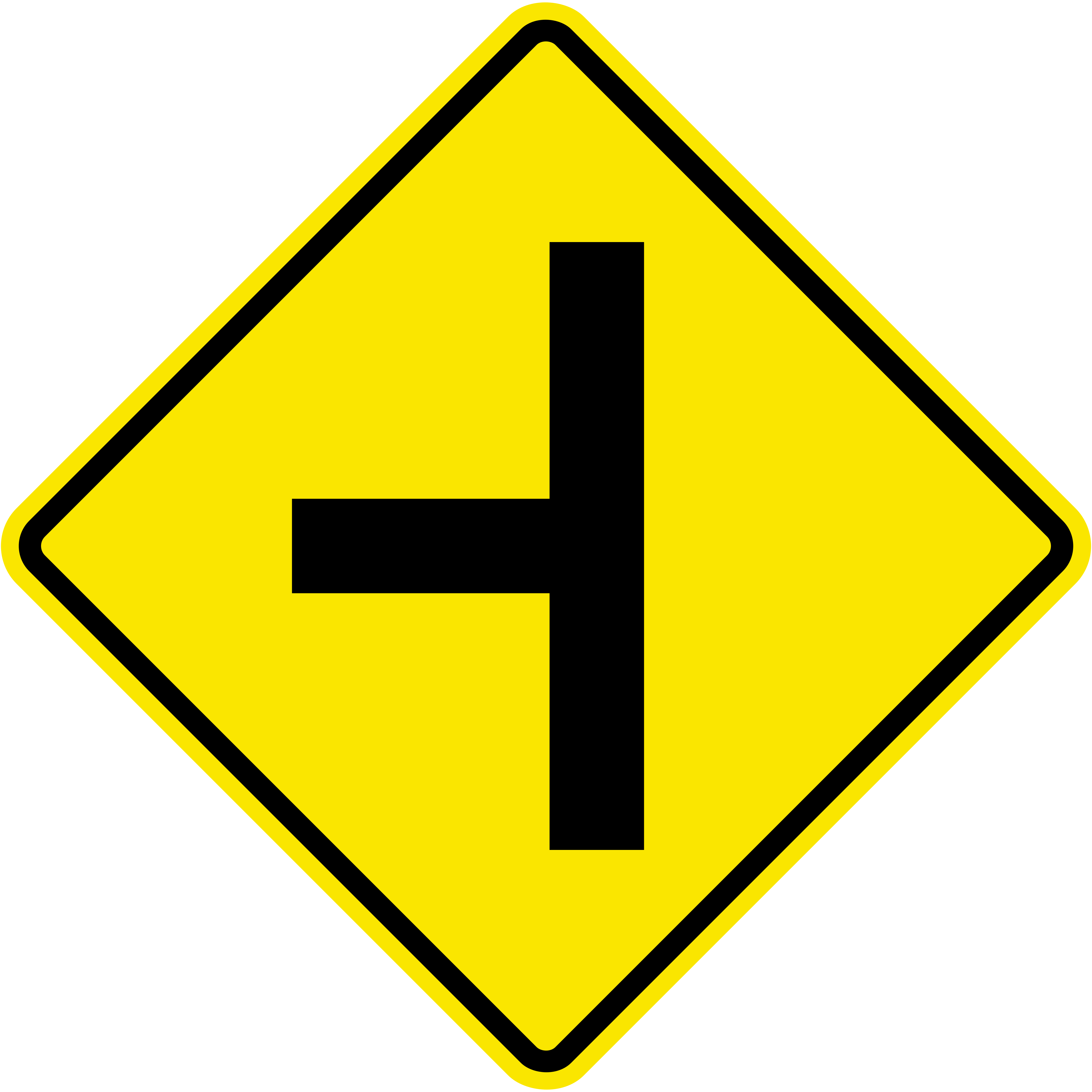
3-leg intersection
A side road joins from the left ahead. Watch for vehicles pulling out of or turning into the side road, and cover the brake as you pass it.
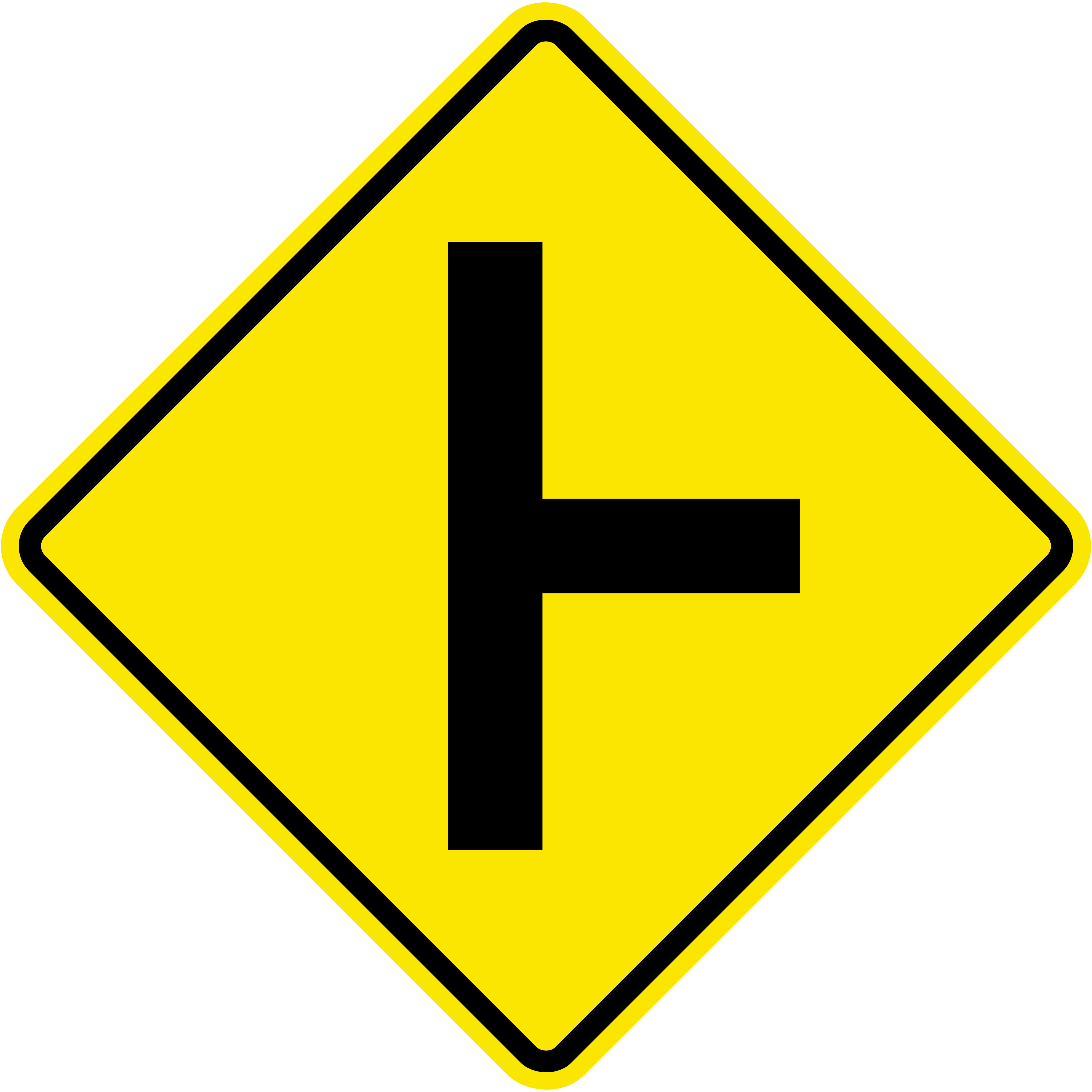
3-leg intersection
A side road joins from the right ahead. Expect vehicles pulling out of or turning into it, and be ready to slow as you reach the junction.
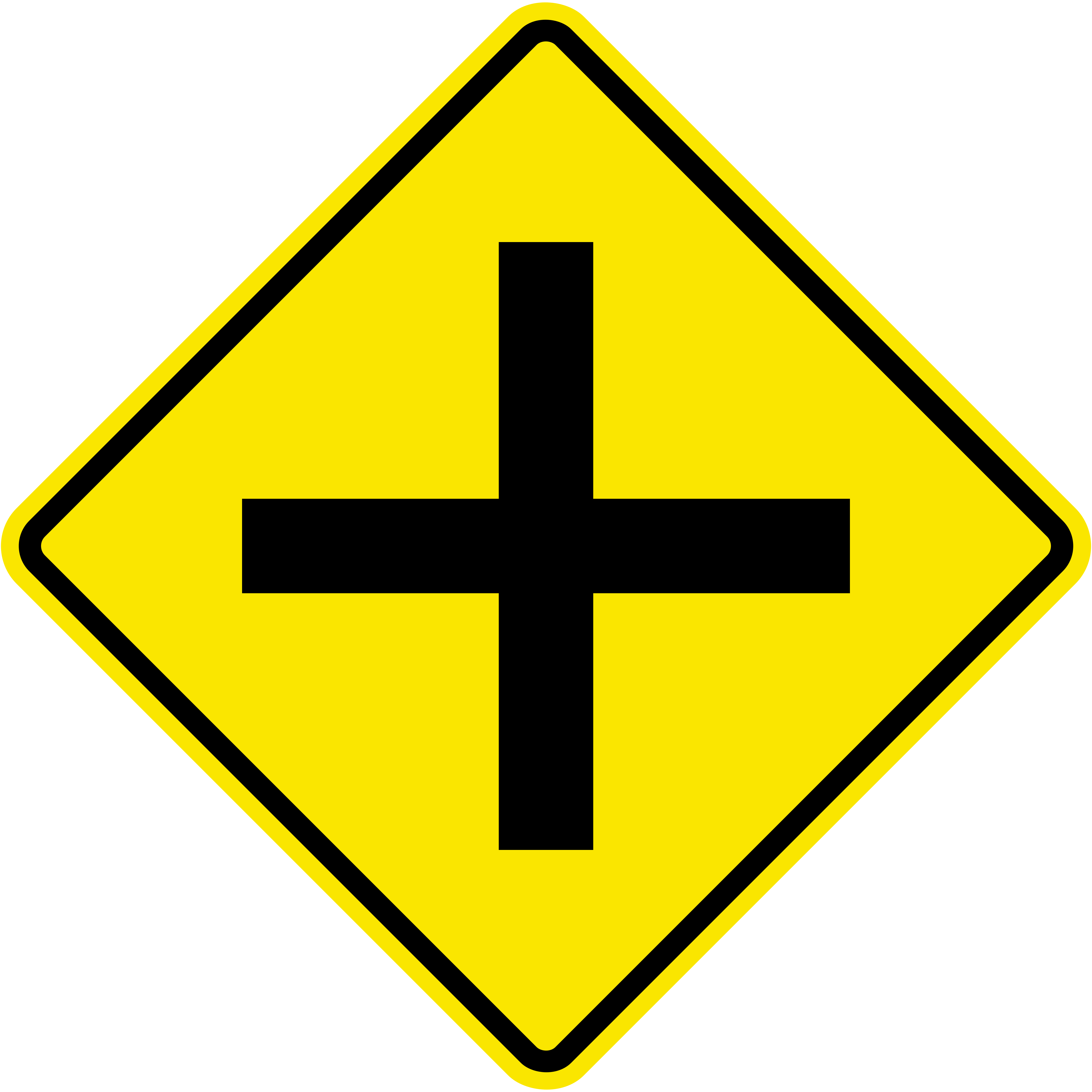
4-leg intersection
A crossroads ahead where a road crosses yours. Slow down and watch for traffic entering from both sides, even if you have priority.
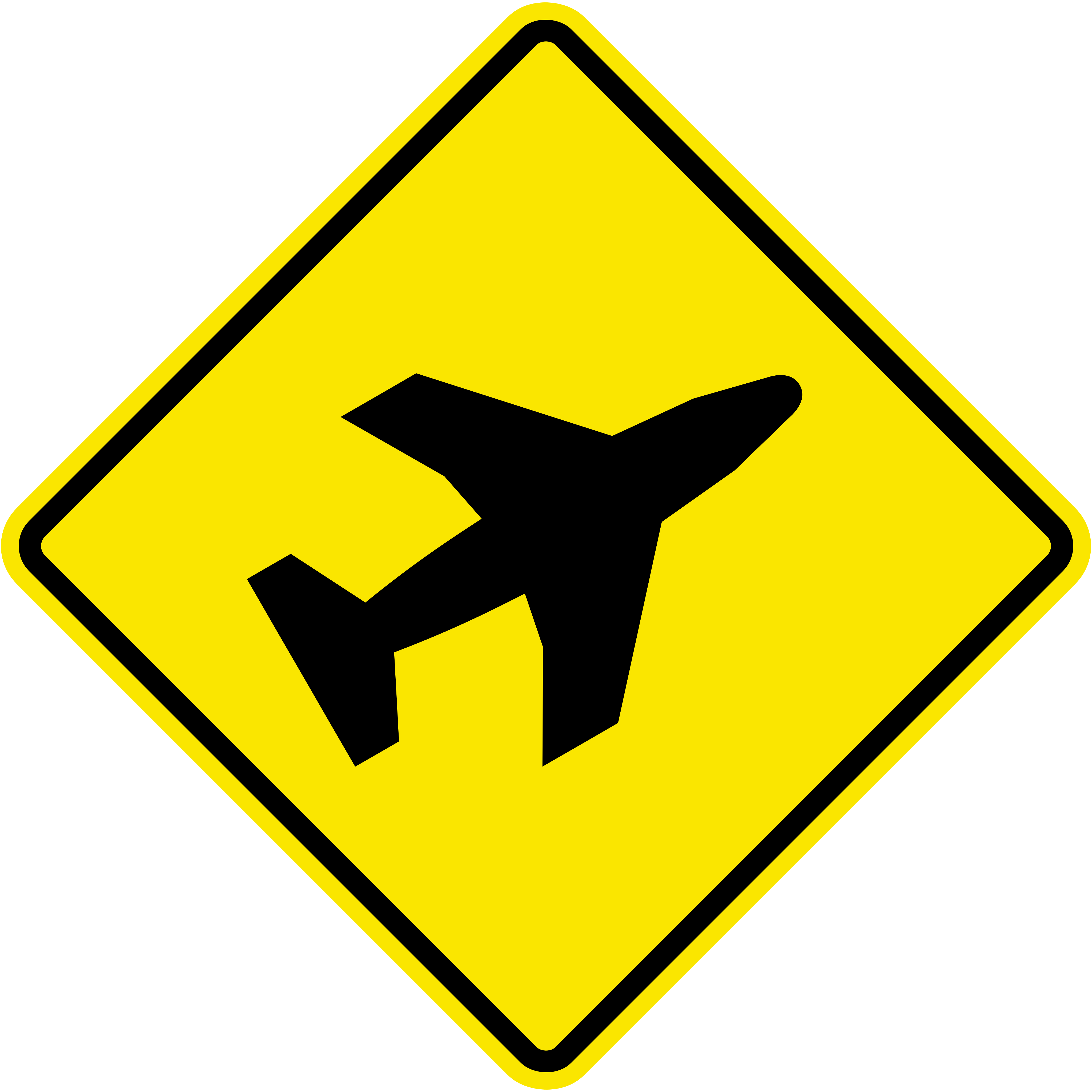
Airfield
An airfield near the road ahead. Aircraft may pass very low overhead, and the sudden noise can startle you; keep your attention on the road.
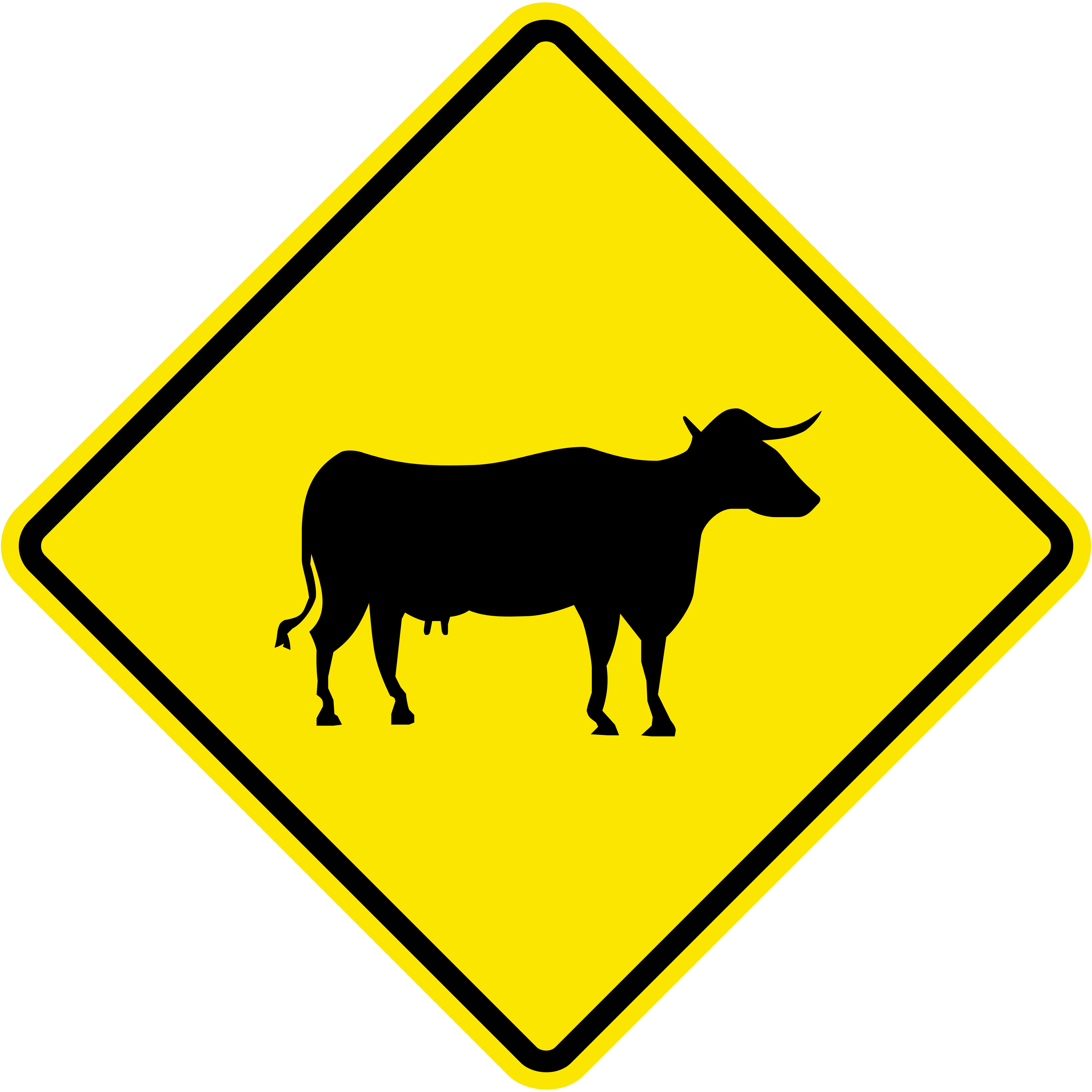
Animals
Animals may be on the road ahead, whether herded livestock or strays. Slow down, pass wide and gently, and never sound the horn beside an animal.
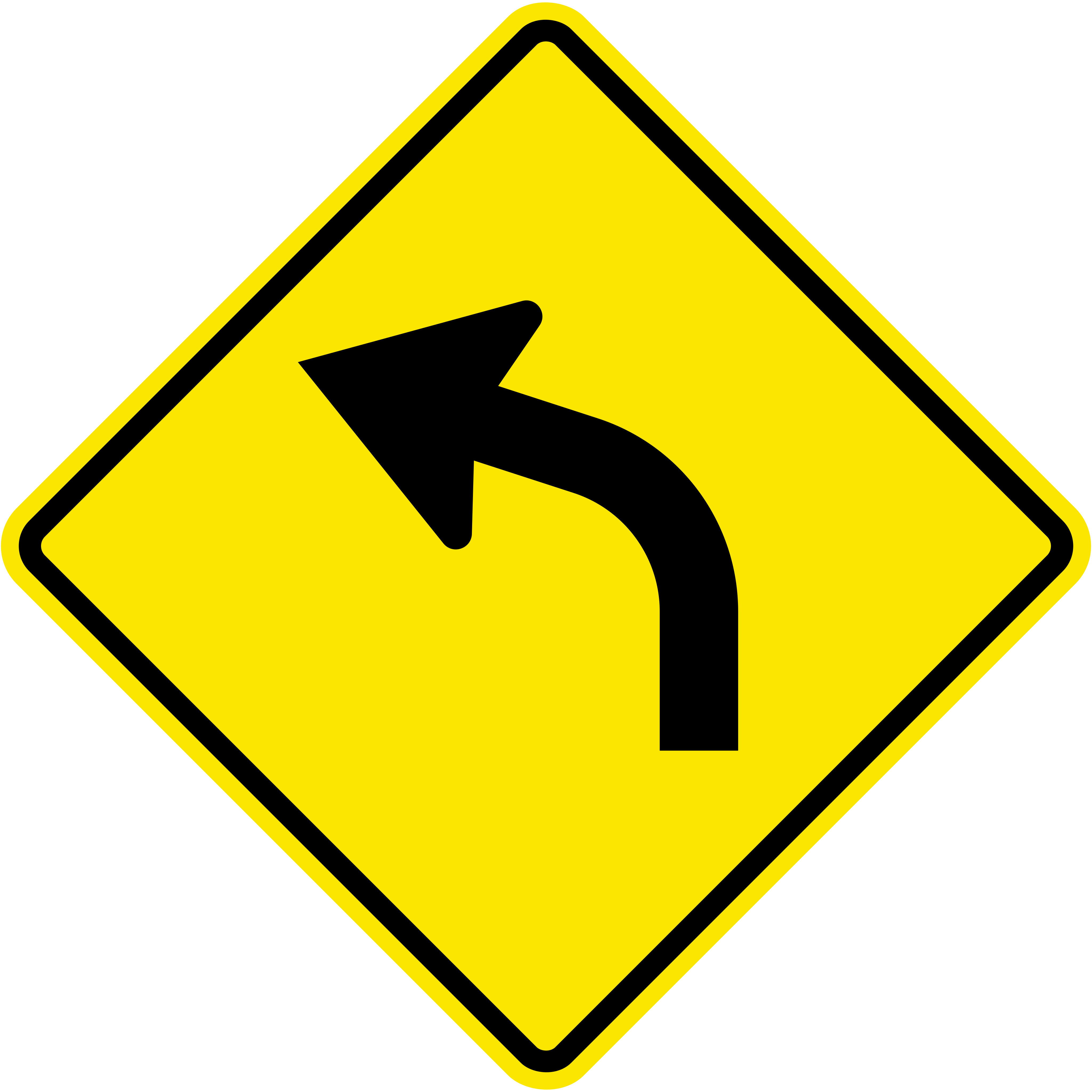
Bend to the left
The road ahead bends to the left. Brake before the bend, not in it, keep to your lane and wait for a straight, clear stretch before overtaking.
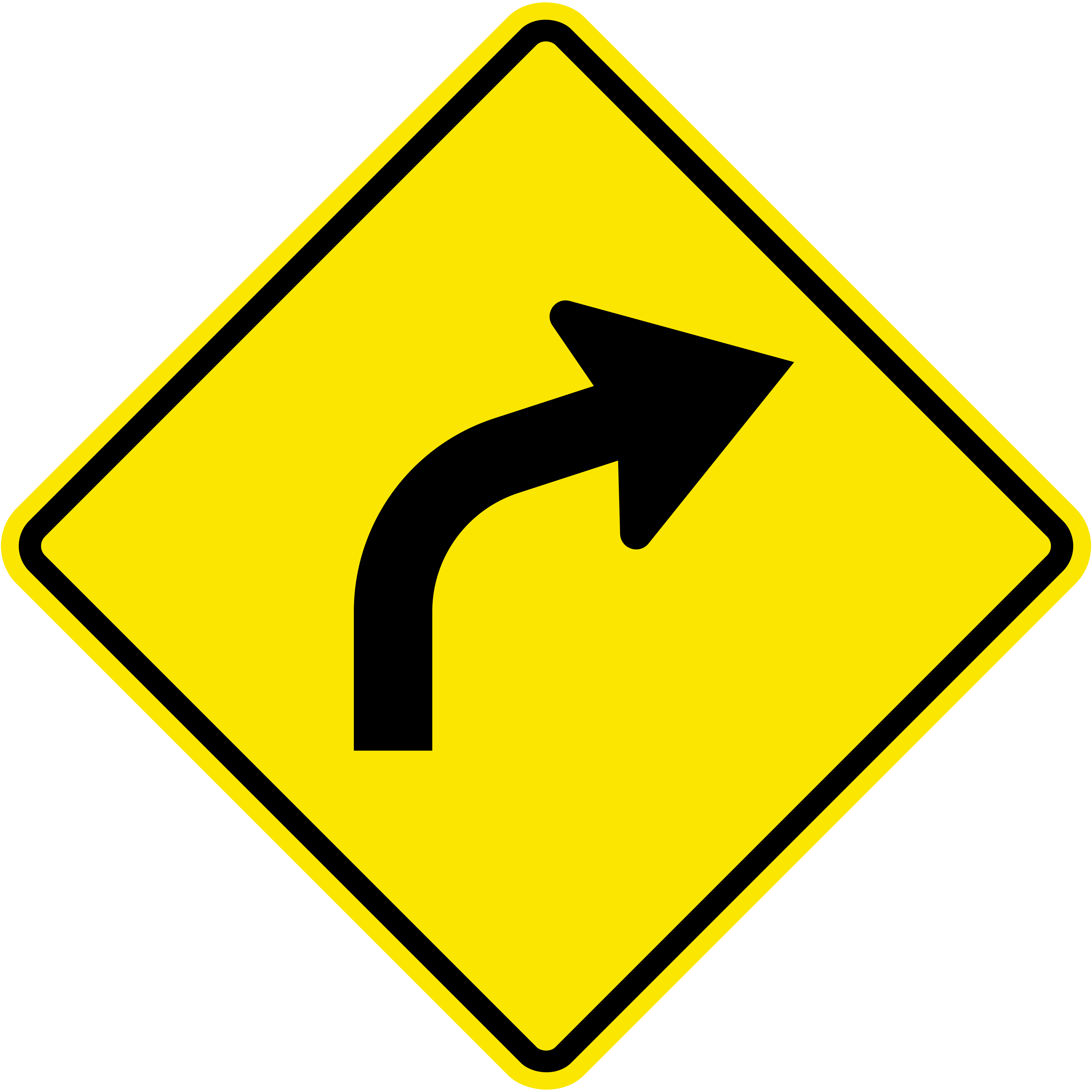
Bend to the right
The road ahead bends to the right. Slow down before the bend, hold your position in the lane and do not overtake until the road straightens out.
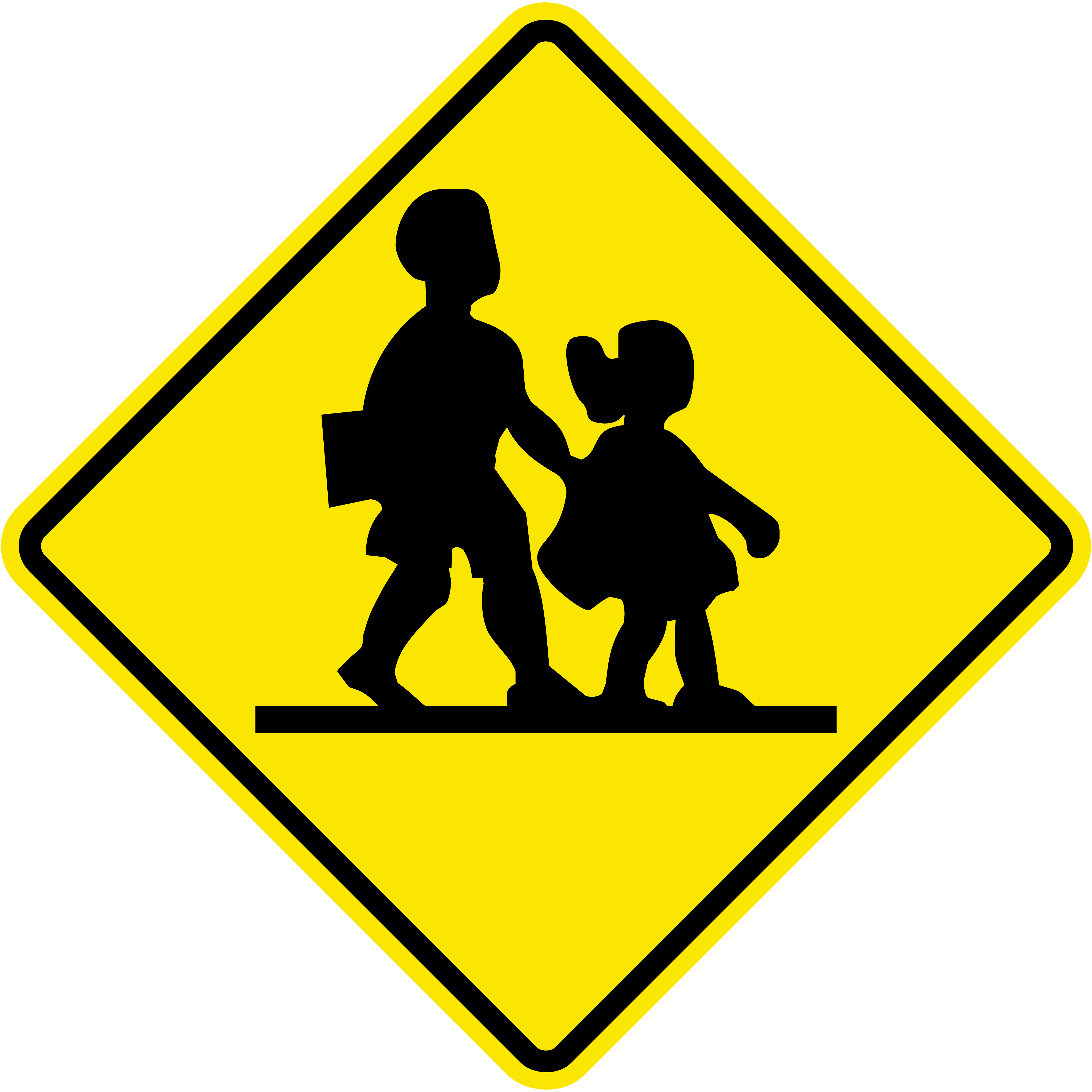
Children
Children are likely to be near or crossing the road ahead. Slow down and be ready to stop instantly; children can step out without looking.
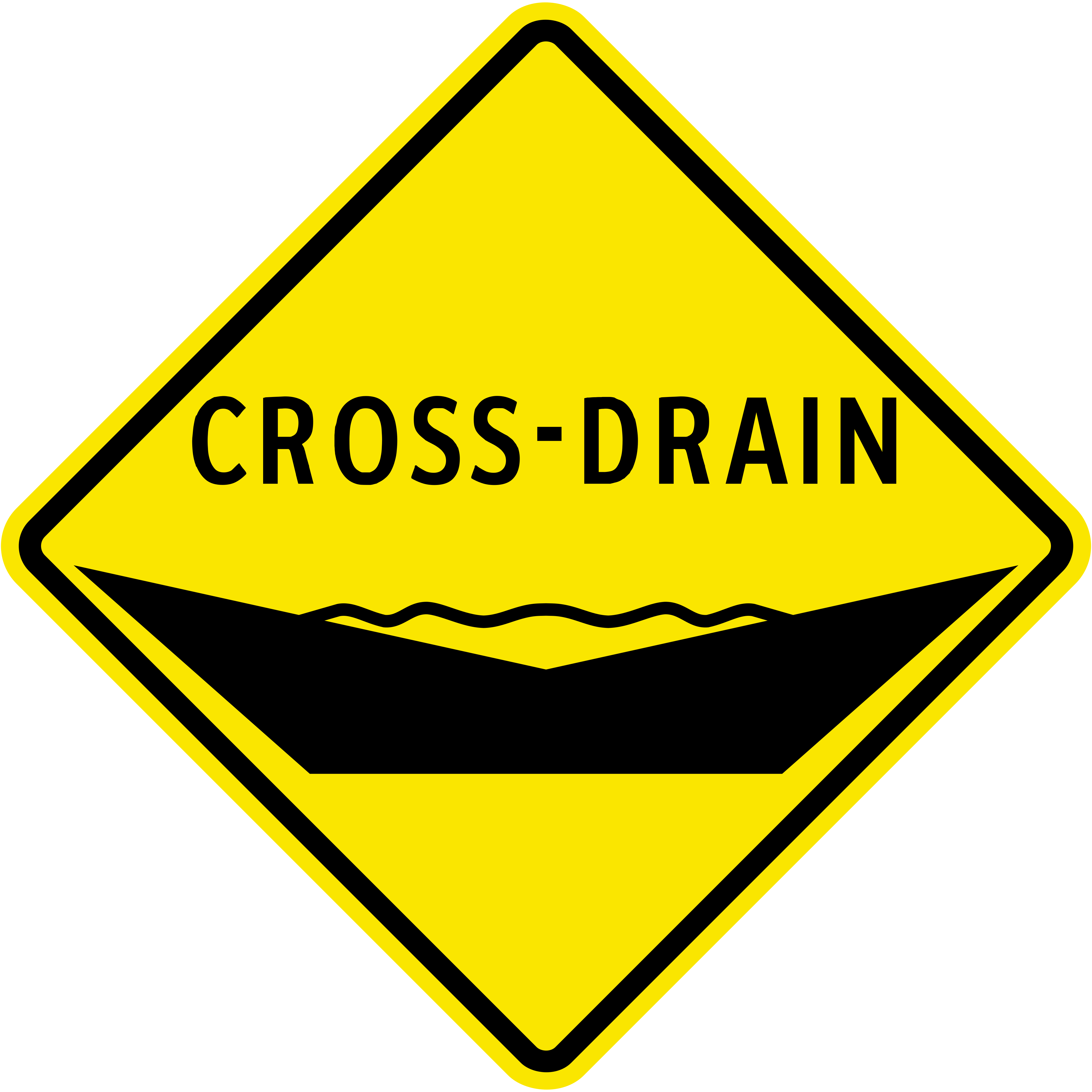
Cross-drain
A cross-drain ahead, with the word CROSS-DRAIN on the sign: an open channel carries water across the road surface. Slow down before it, cross gently and expect it to run deeper after heavy rain.
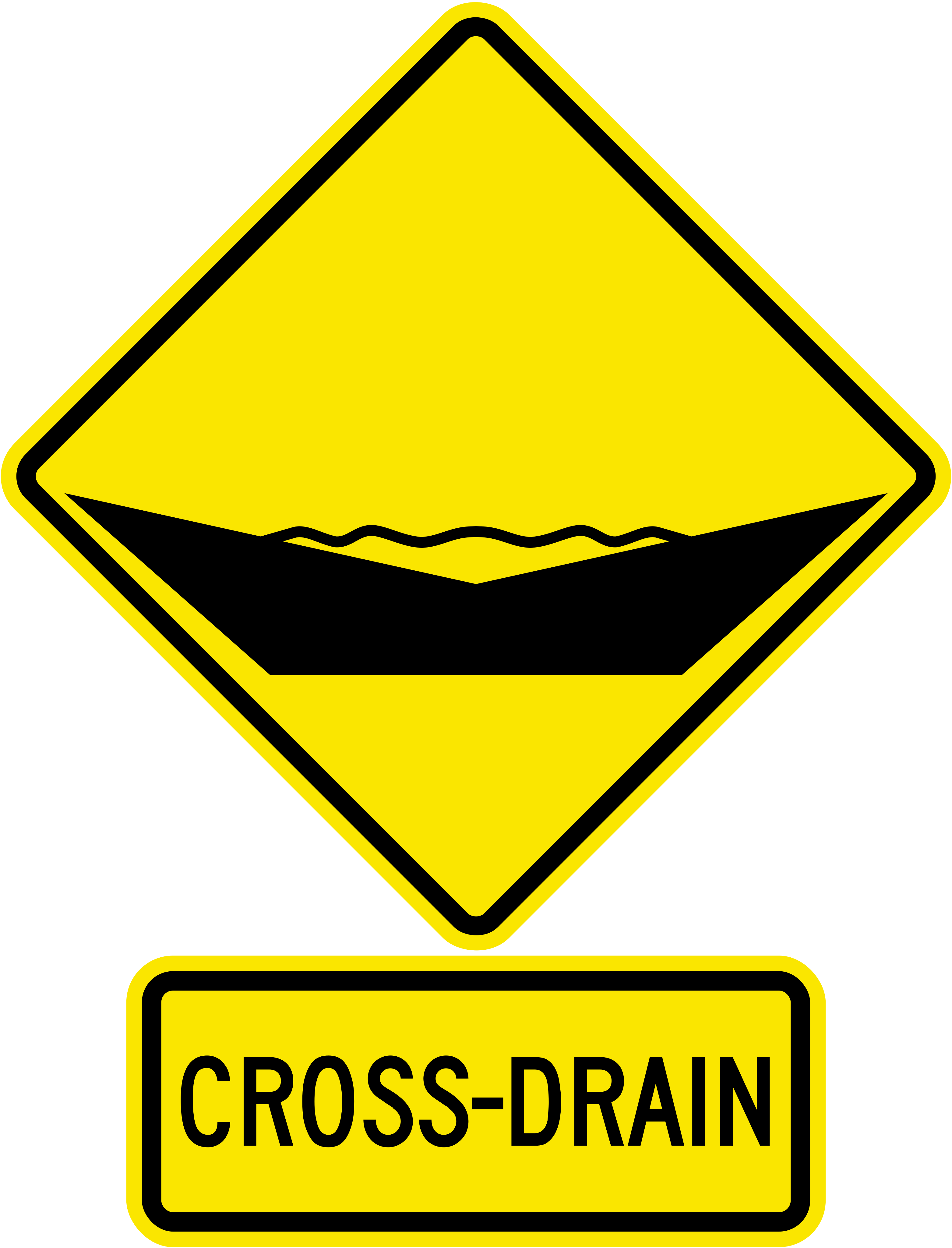
Cross-drain (with supplementary plate)
A cross-drain ahead, marked by the dip symbol with a CROSS-DRAIN plate below the sign. Slow down and cross gently; after rain the channel may carry fast-moving water.
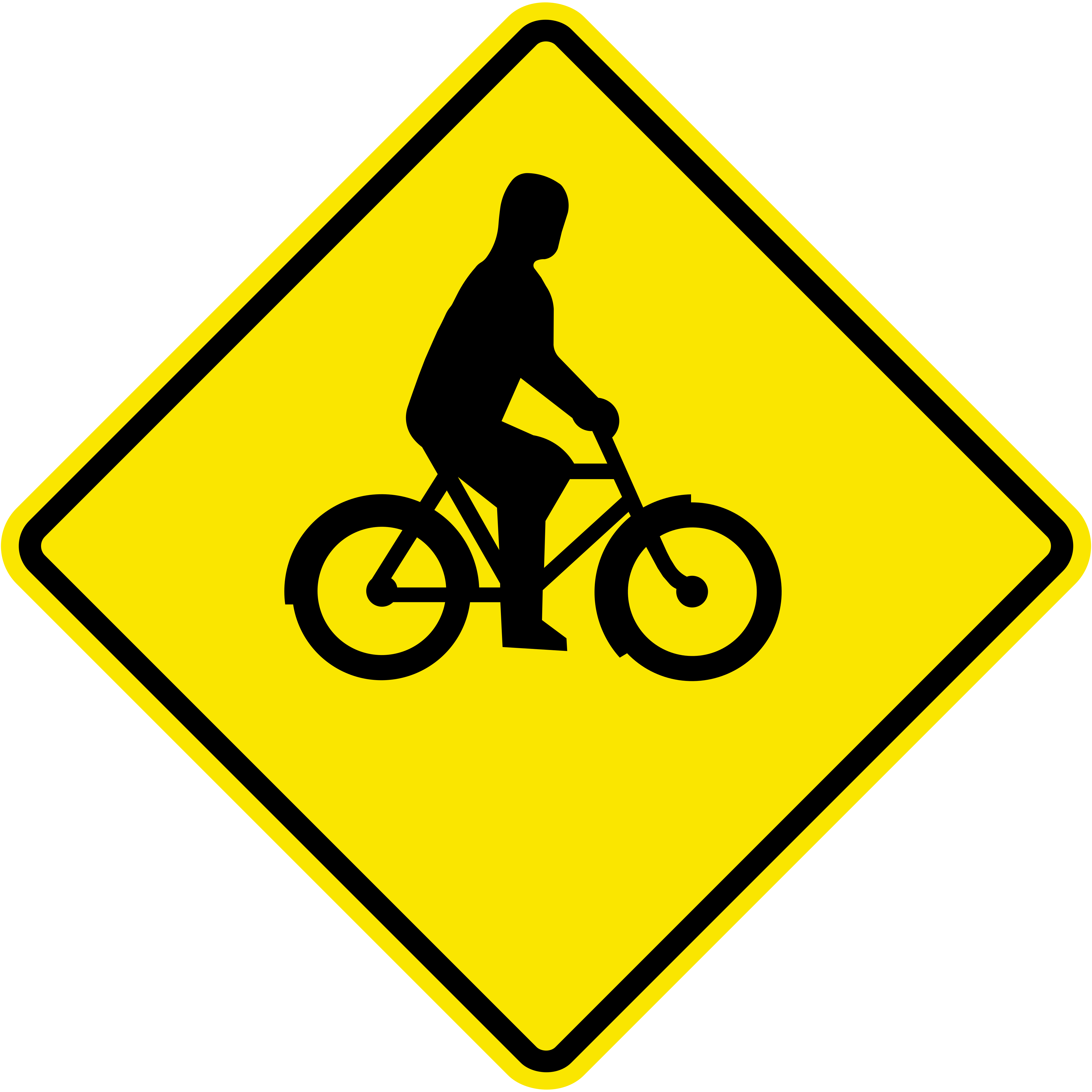
Cyclists
Cyclists are likely on the road ahead or crossing it. Slow down, give any rider at least a full vehicle width when passing and check for bikes before turning.
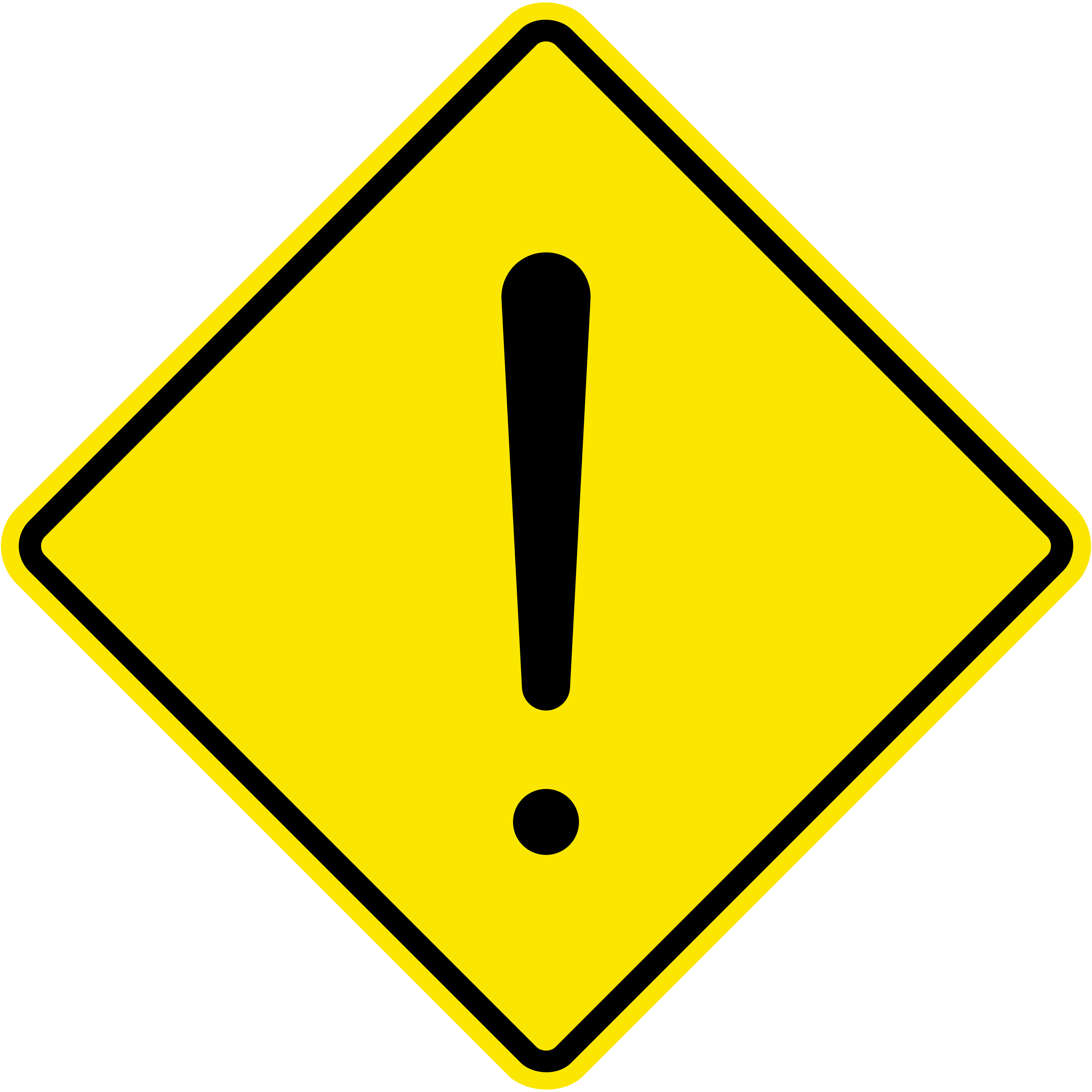
Danger
General danger: a hazard with no sign of its own ahead, often explained on a plate below. Slow down until you can see what the danger is.
Dip
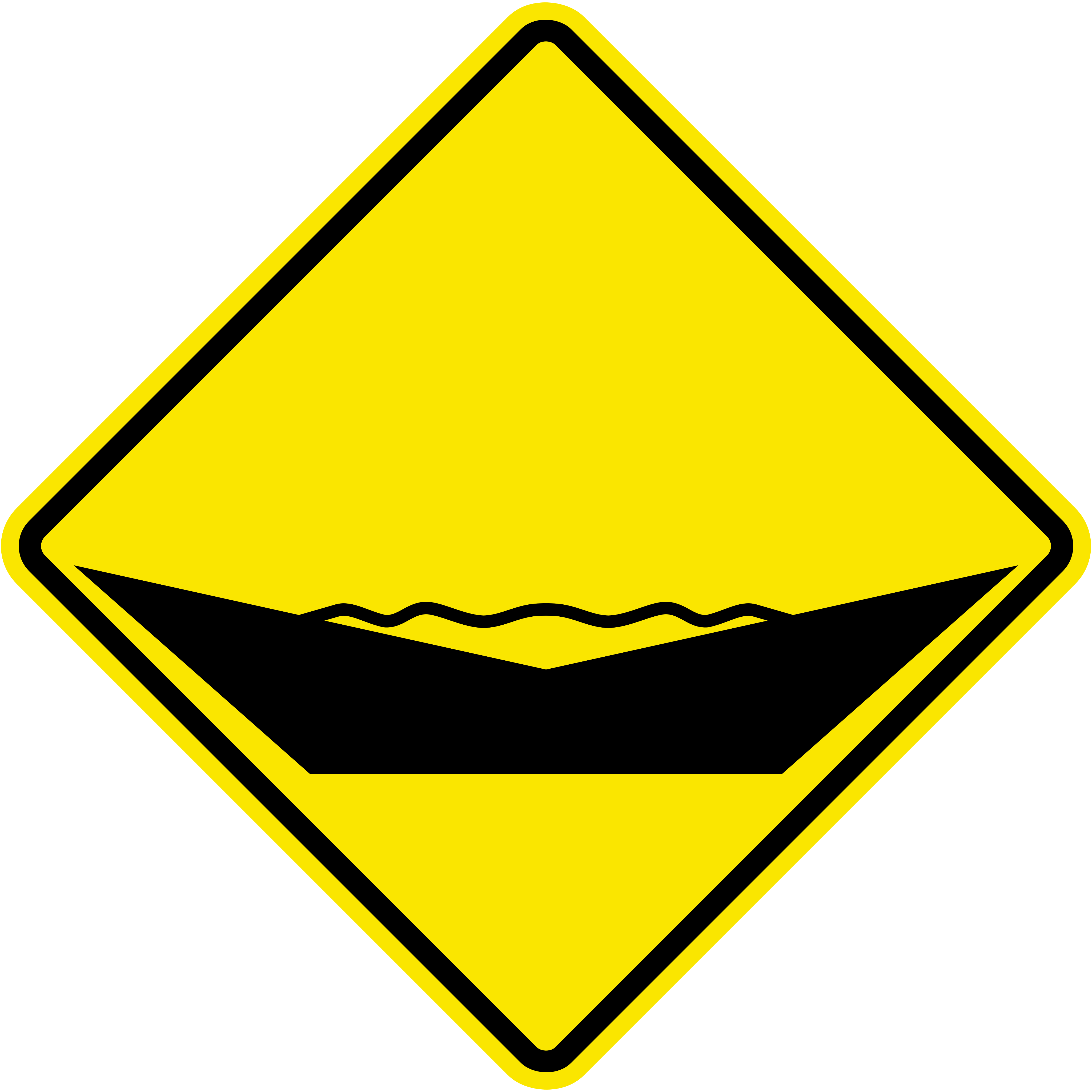
A sharp dip in the road ahead, the kind used for fords and cross-drains. Slow down: a dip taken fast can bottom the vehicle out, and water may be lying in it.
Double bend or series of bends, first to the left
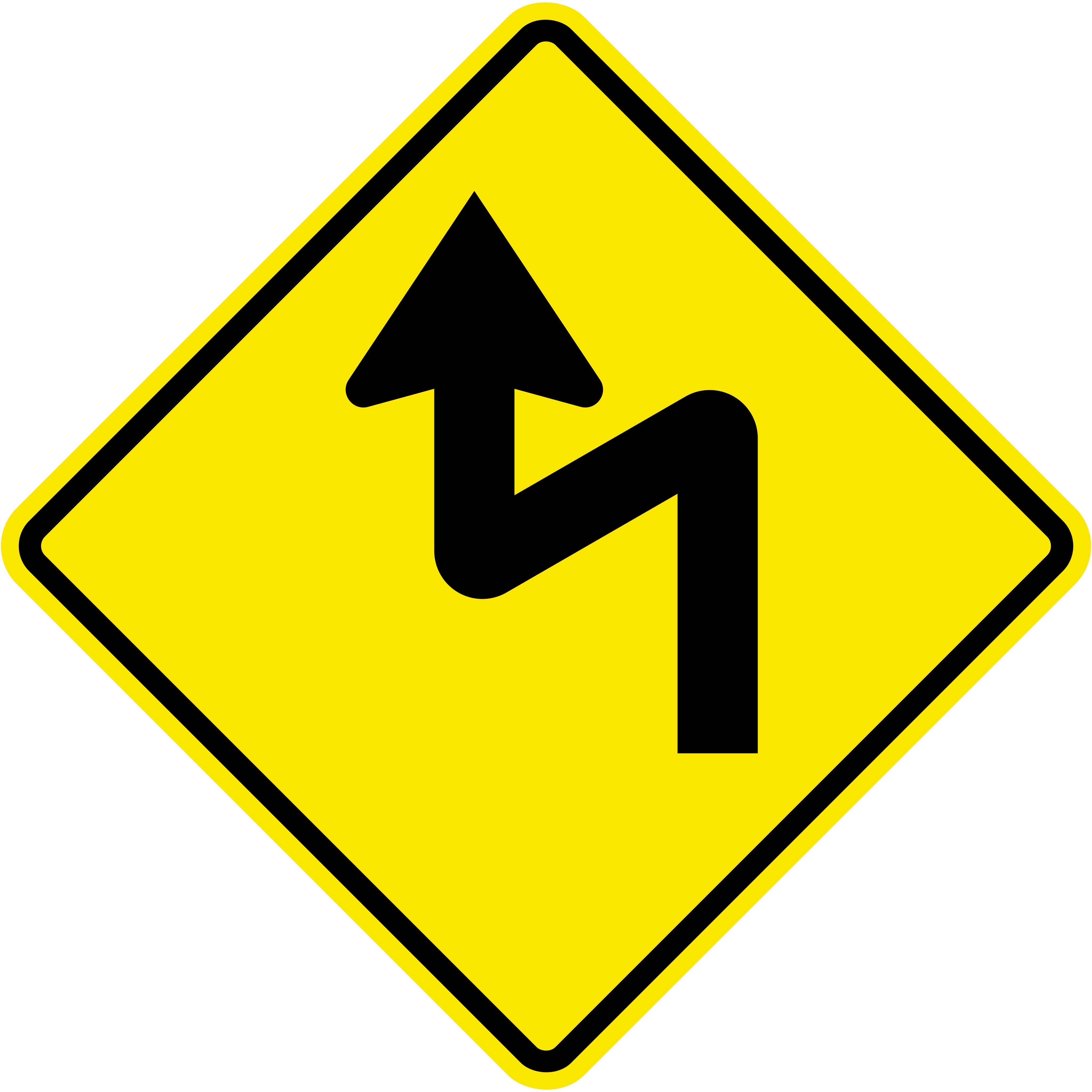
A double bend or a series of bends starts ahead, the first turning to the left. Slow down early: the second bend often arrives before you finish the first.
Double bend or series of bends, first to the right
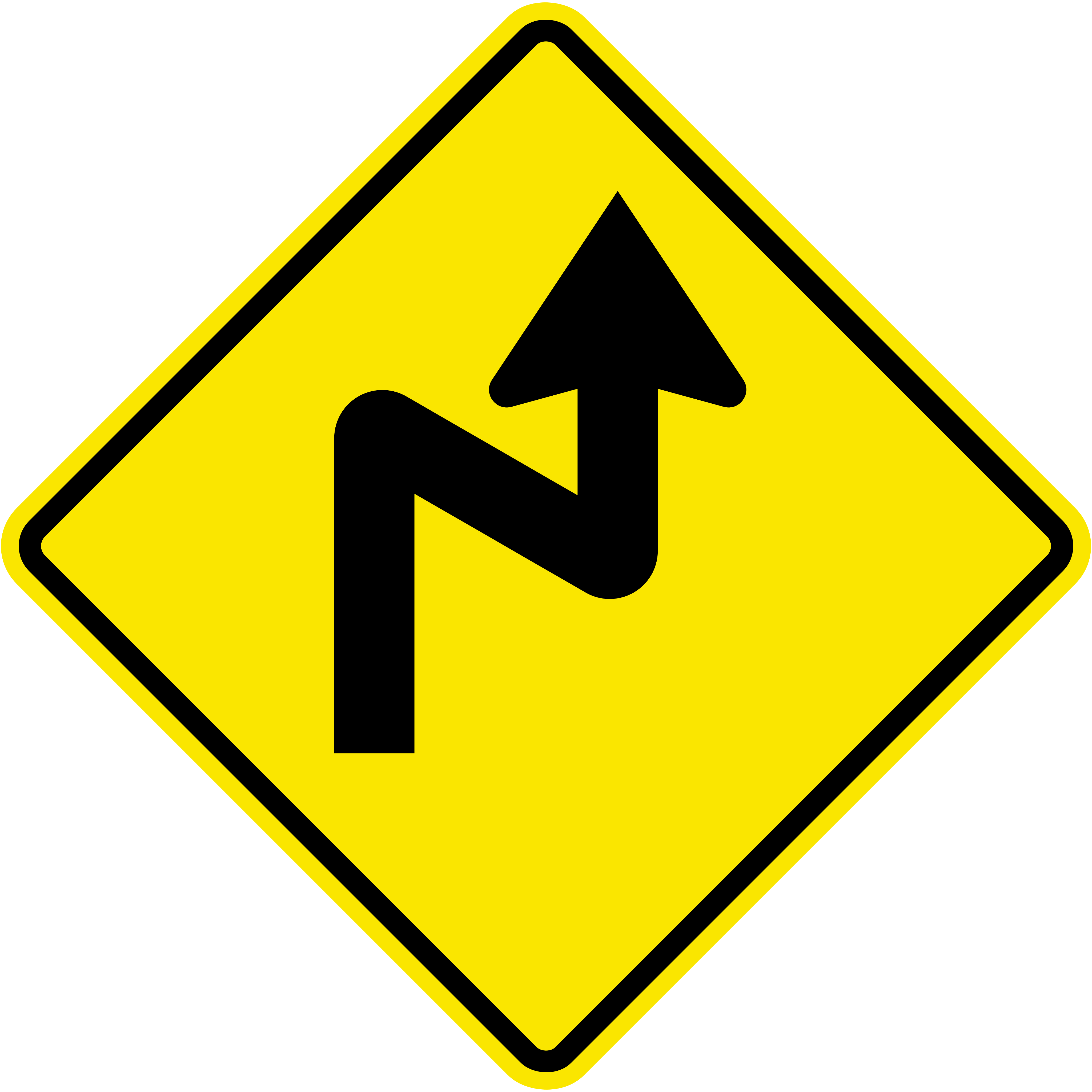
A double bend or a series of bends starts ahead, the first turning to the right. Reduce speed before the first bend and keep a steady line through the whole series.
Dual carriageway ahead
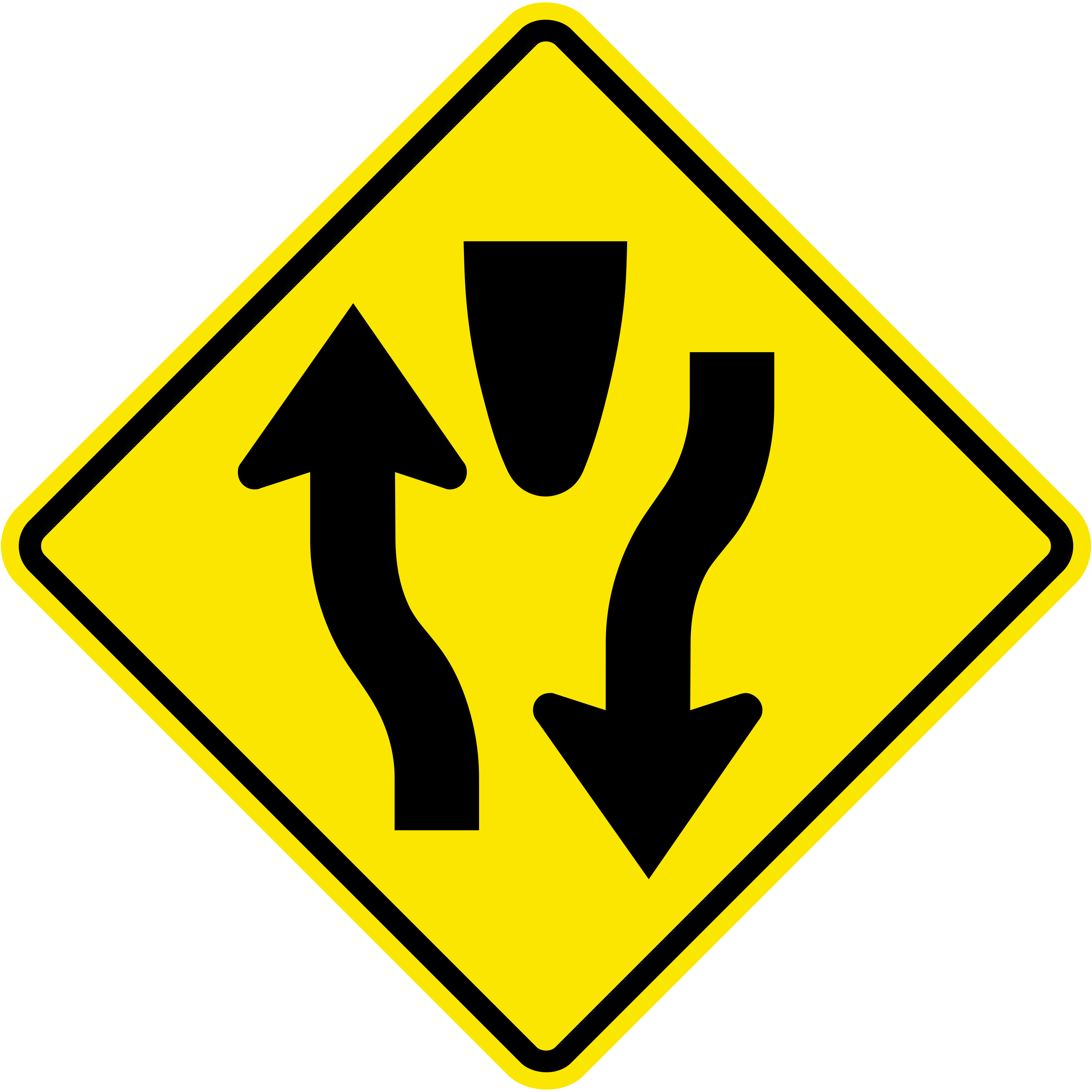
A dual carriageway starts ahead: traffic directions are separated by a median. Keep left except when overtaking once you are on it.
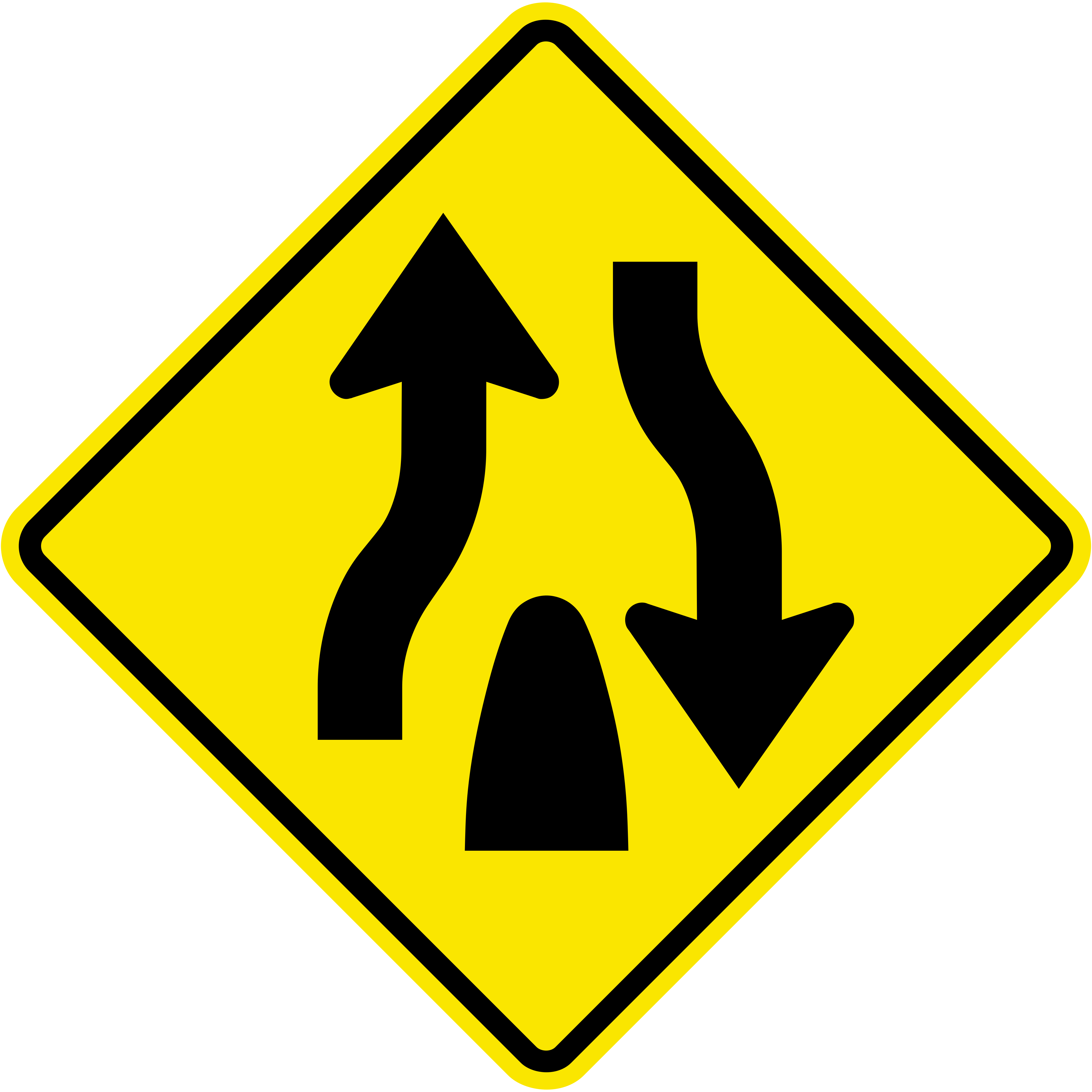
Dual carriageway ends ahead
The dual carriageway ends ahead and the road becomes a single two-way carriageway. Adjust your speed and remember oncoming traffic will be directly ahead.
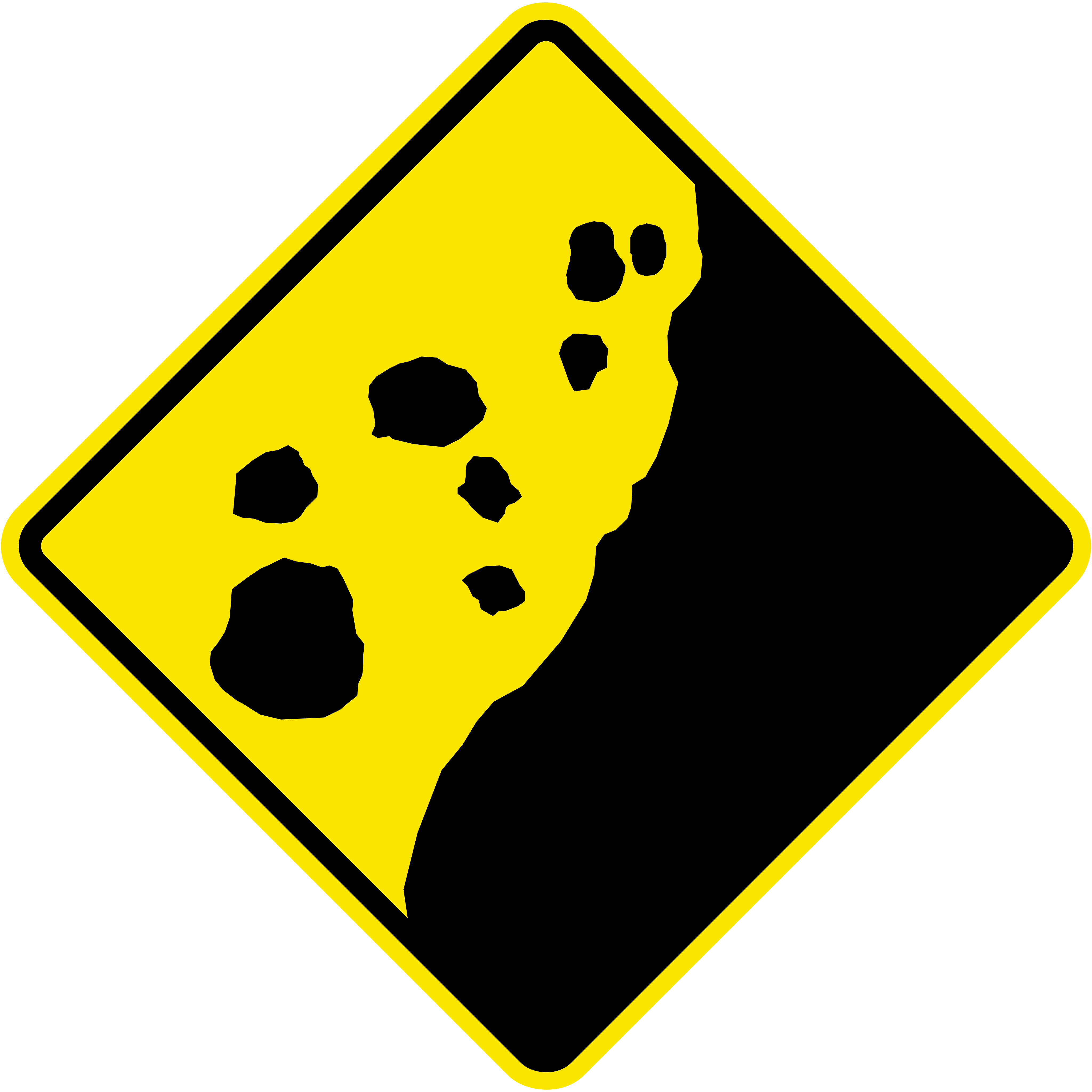
Falling rocks
Falling rocks: stones may fall onto the road from the slope on the left. Look out for rocks already on the road and do not stop under the embankment.
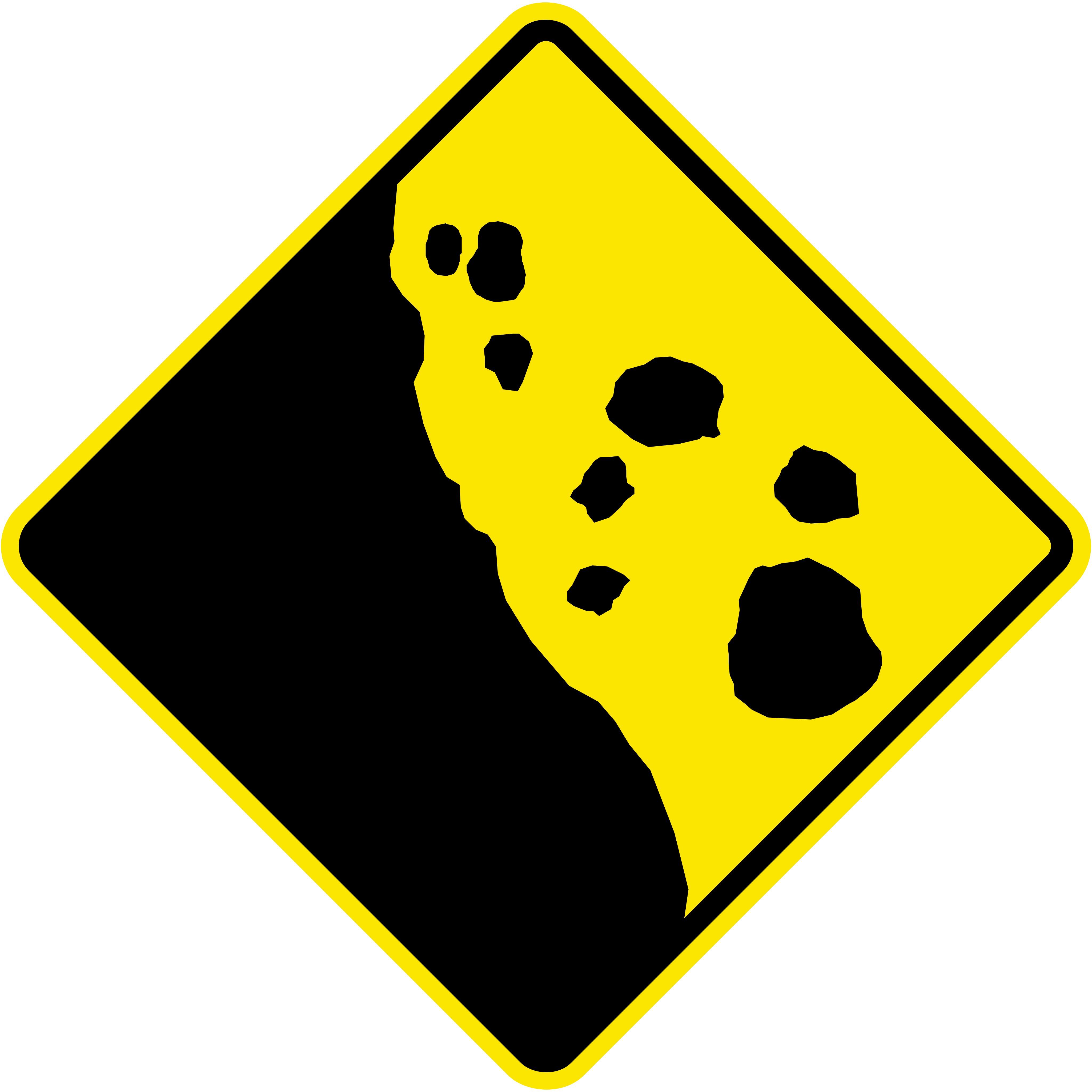
Falling rocks
Falling rocks: stones may fall onto the road from the slope on the right. Watch the surface for debris and avoid stopping beneath the slope.
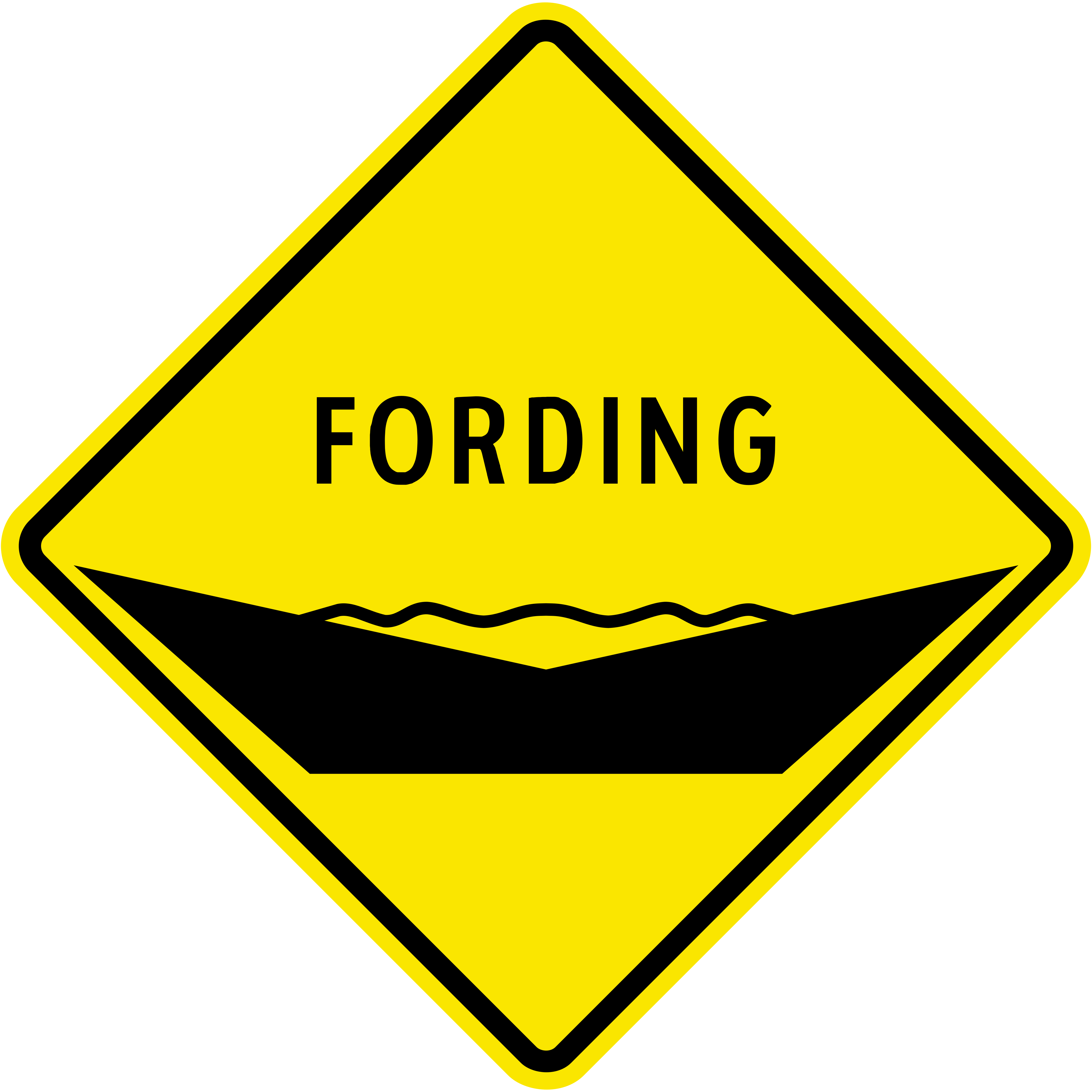
Ford
A ford ahead, with the word FORDING on the sign: the road runs through a watercourse. Slow right down, judge the depth before entering, cross slowly and steadily, and test your brakes gently afterwards.
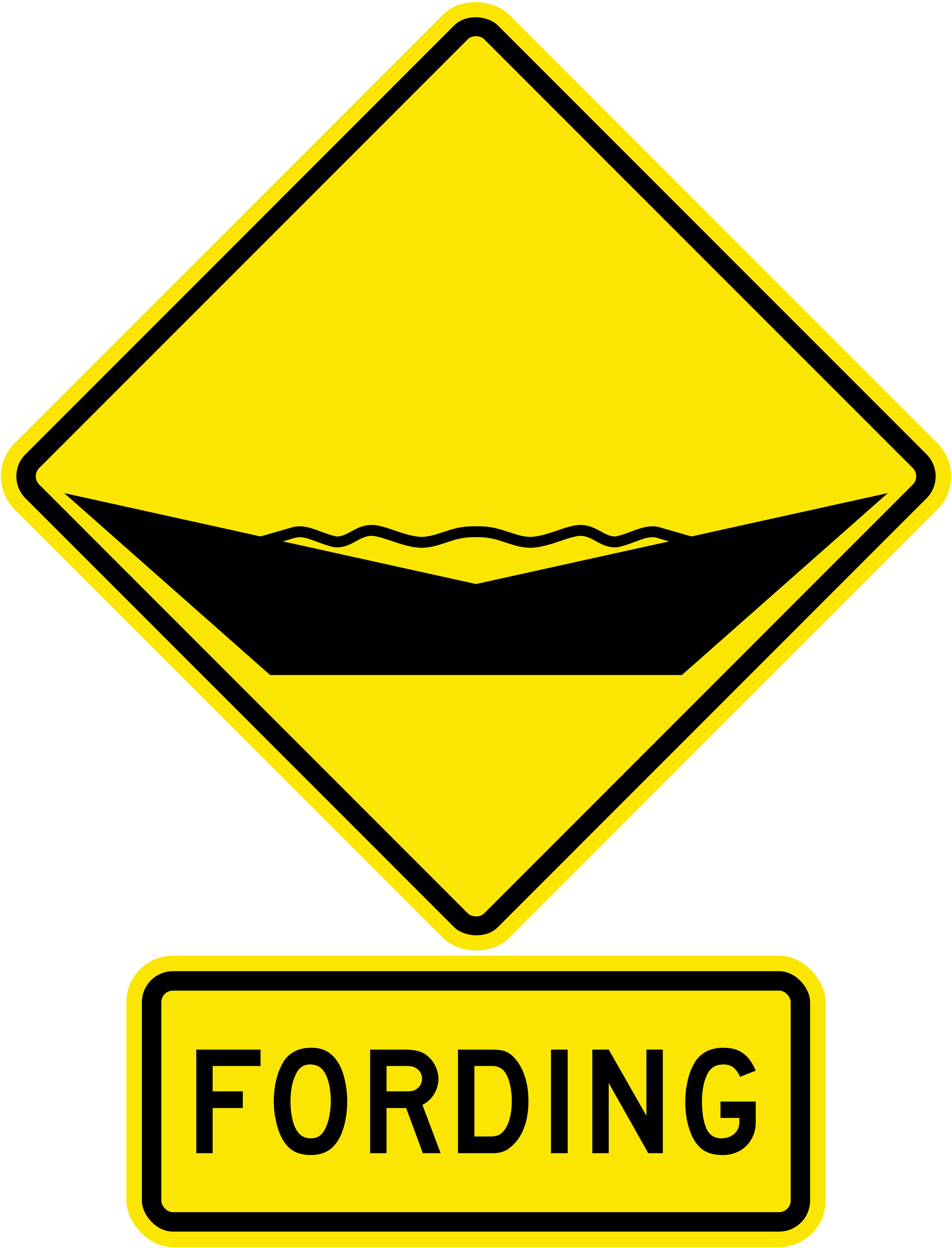
Ford (with supplementary plate)
A ford ahead, marked by the dip symbol with a FORDING plate below the sign. Enter slowly, keep a steady pace through the water and dry your brakes with light presses afterwards.
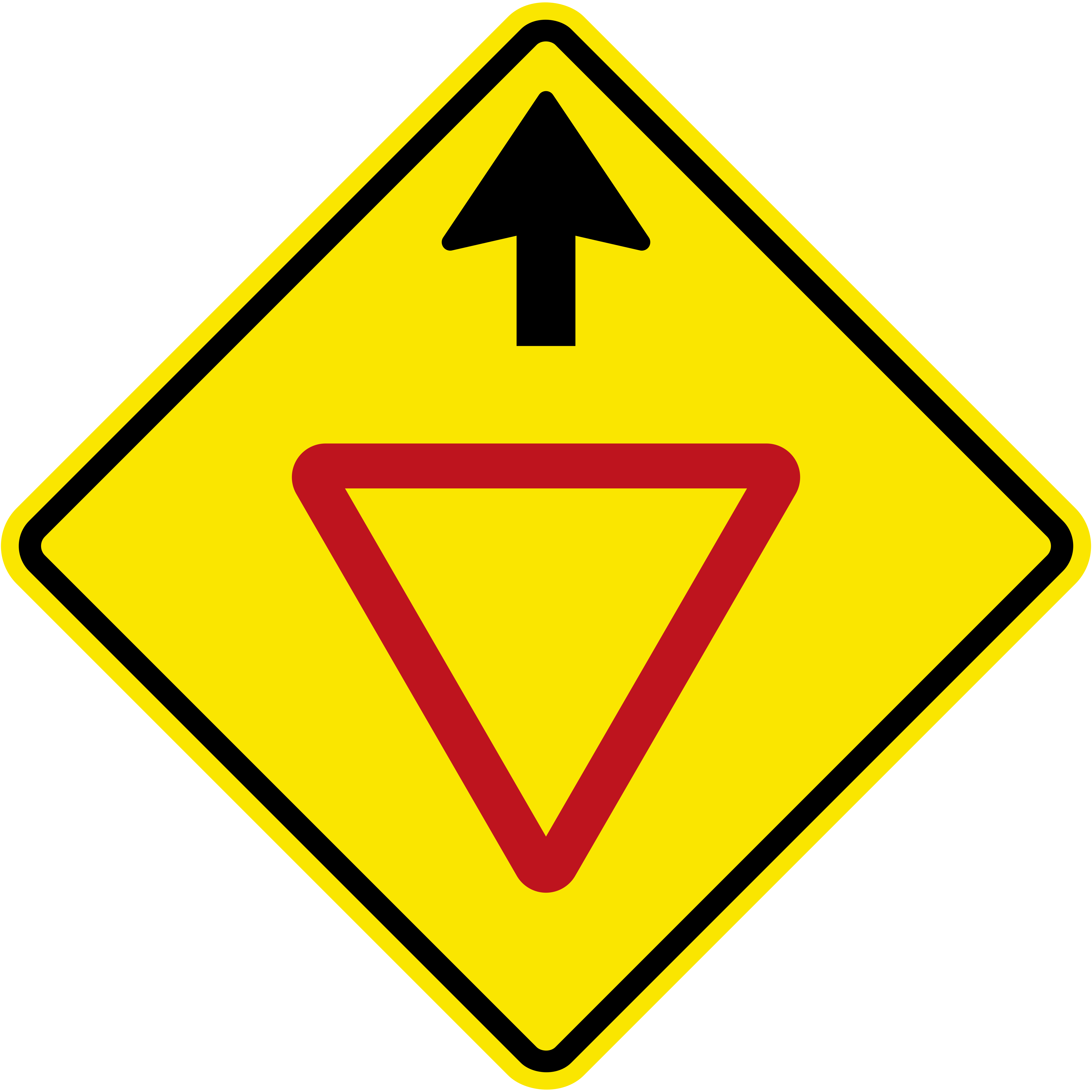
Give way ahead
A give way sign ahead. Reduce speed on the approach and be prepared to stop and yield where the road joins the other route.
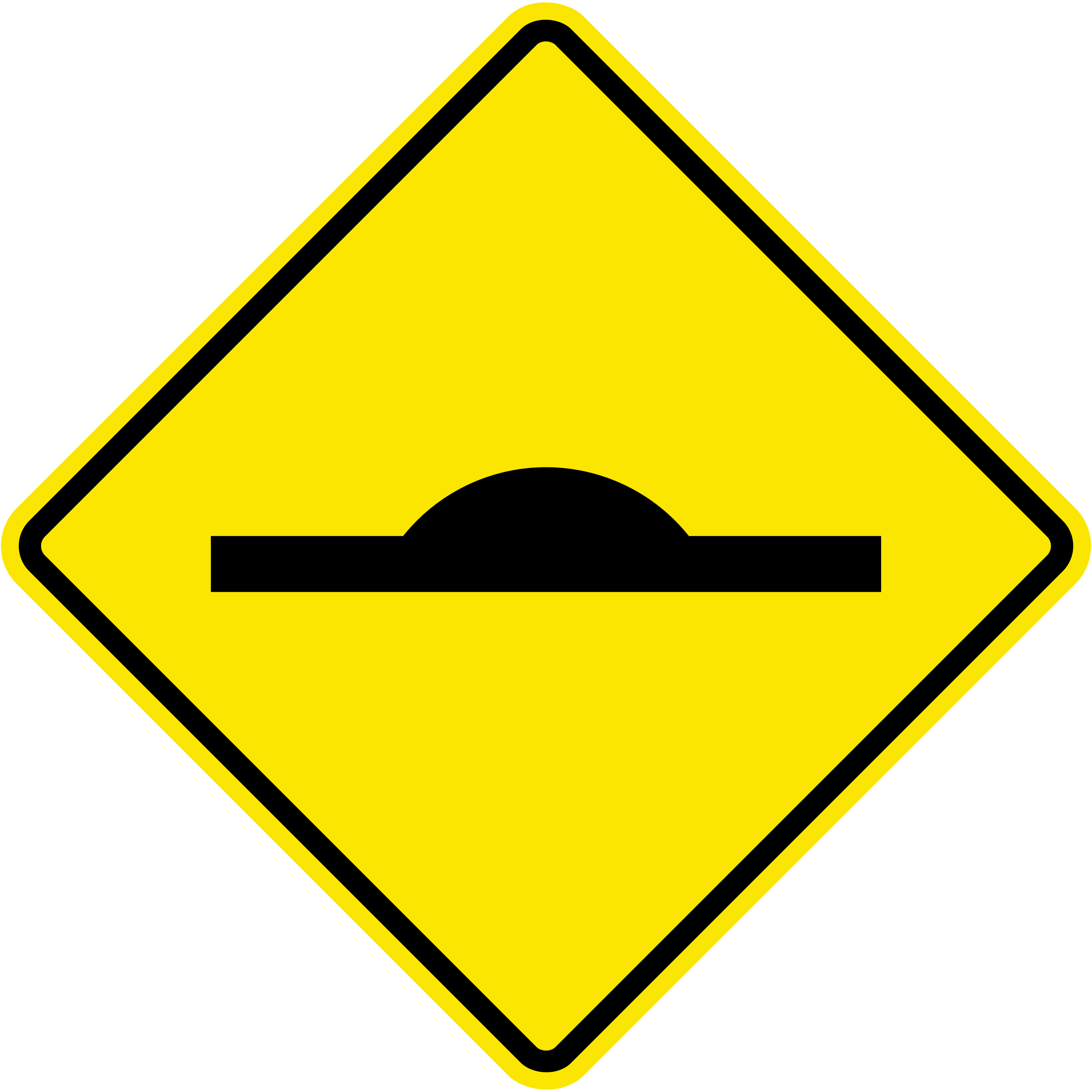
Hump
A hump or raised section in the road ahead. Slow right down before you reach it; hitting a hump at speed can throw the vehicle off line.
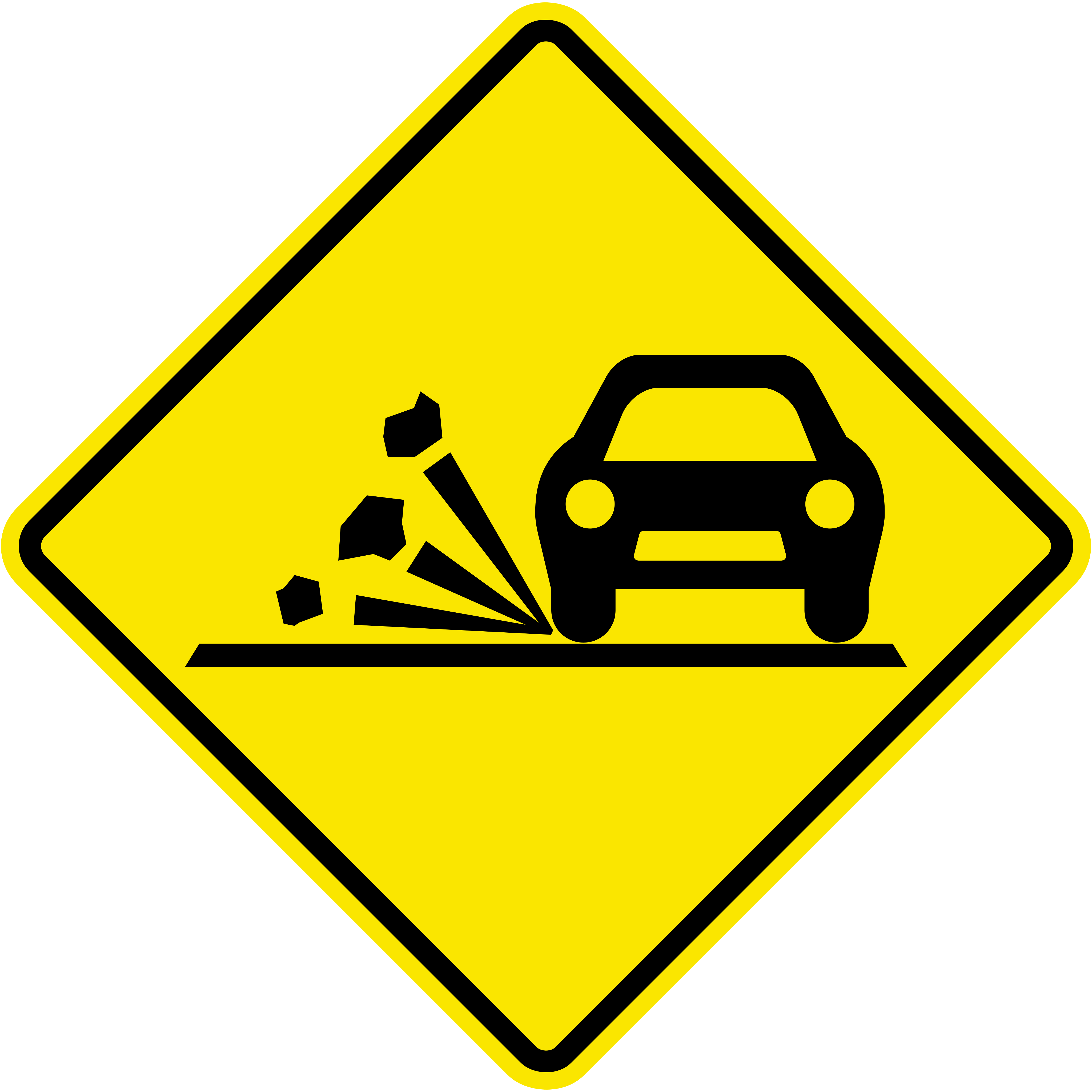
Loose gravel
Loose gravel on the road ahead. Slow down and keep well back from other vehicles: thrown stones can crack a windscreen, and braking takes longer on gravel.
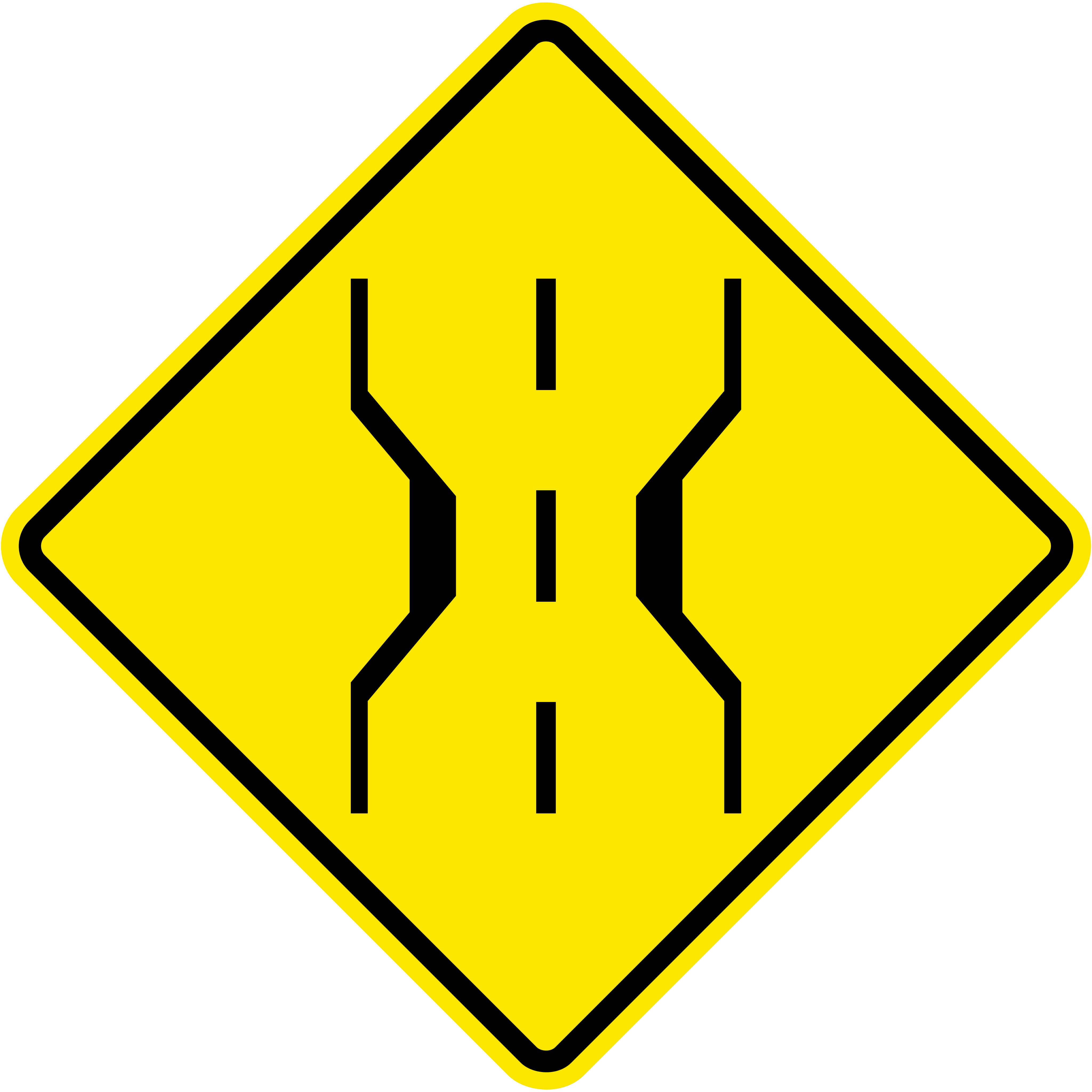
Narrow bridge
A narrow bridge ahead. Slow down on the approach and be prepared to give way: there may not be room for two vehicles to cross at once.
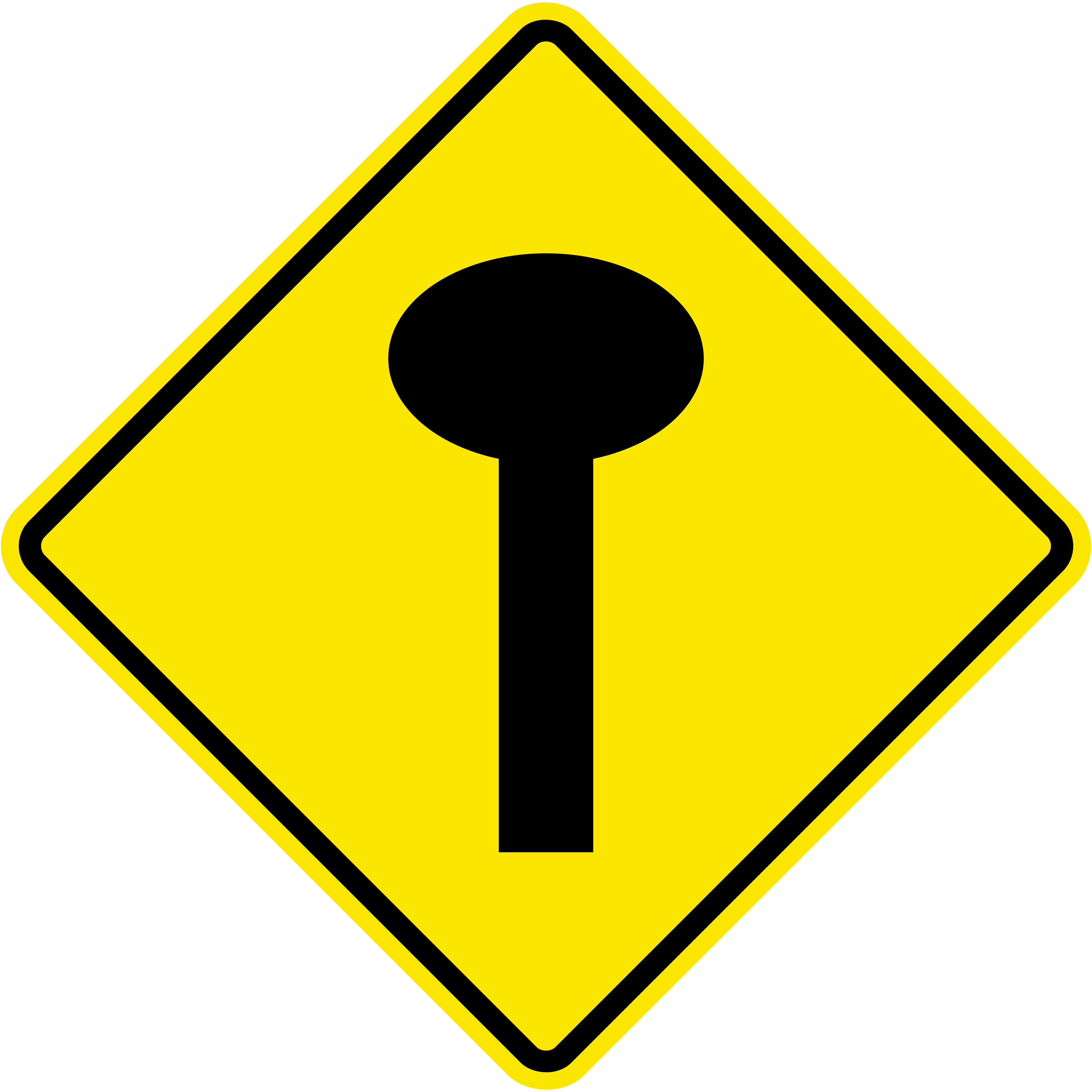
No through road ahead
The road ahead is a dead end, shown by the route ending in a turning circle. Enter only to reach somewhere inside it; there is no way through for vehicles.
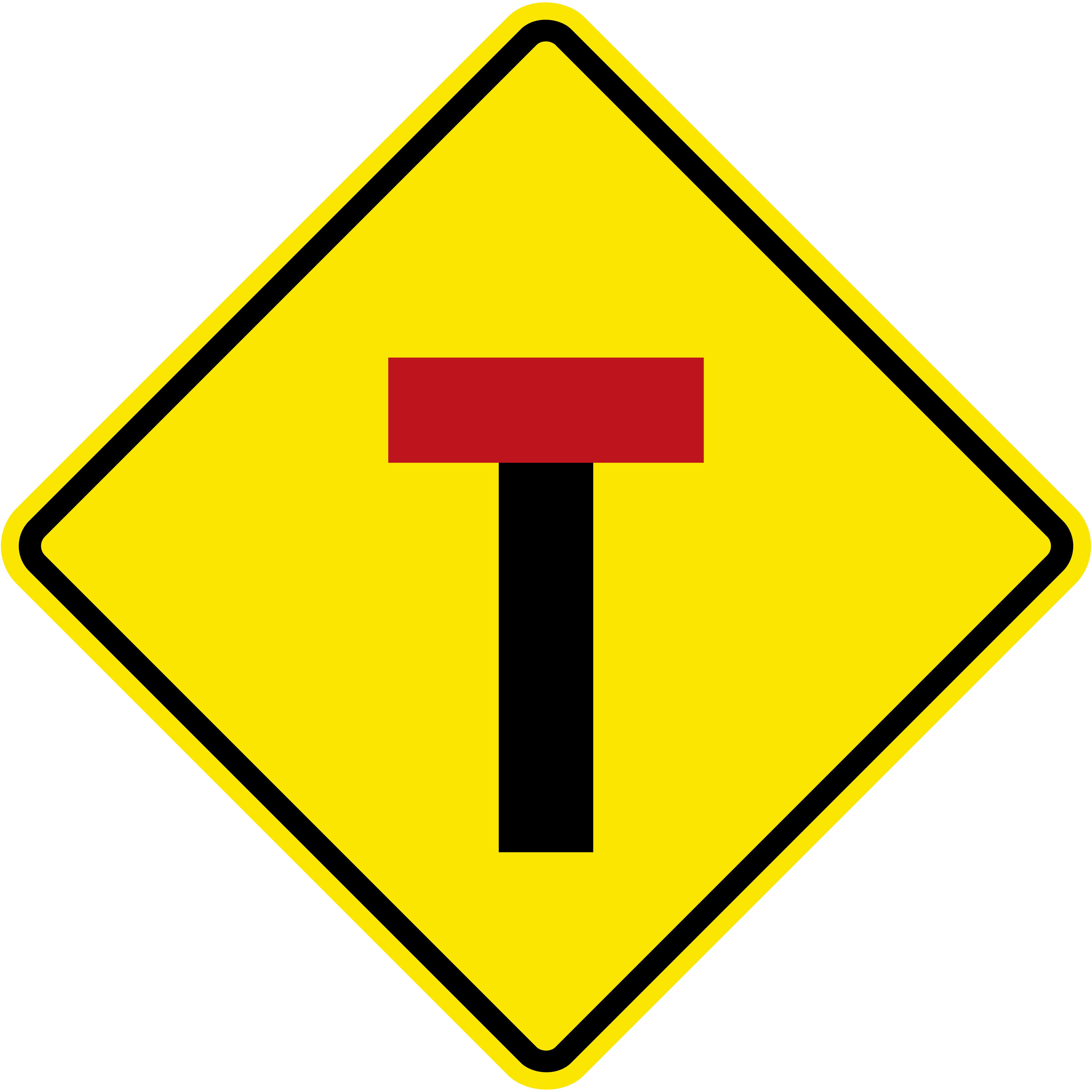
No through road ahead
The road ahead is a dead end, shown by the red bar closing the route. Do not enter expecting to drive through; use it only for access.
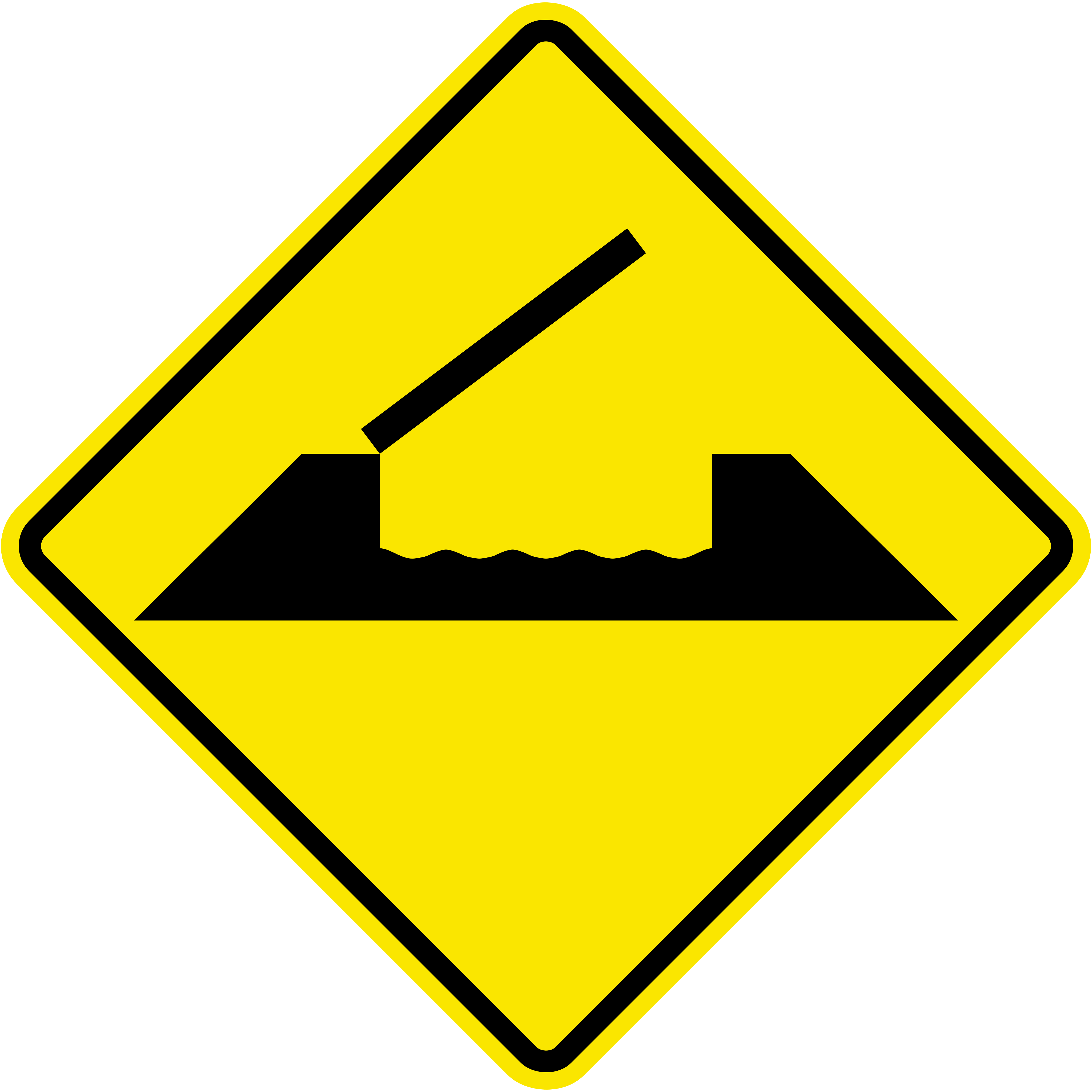
Opening bridge
An opening bridge ahead that lifts or swings to let vessels pass. Be ready to stop at the signals or barrier and never start across while the bridge is moving.
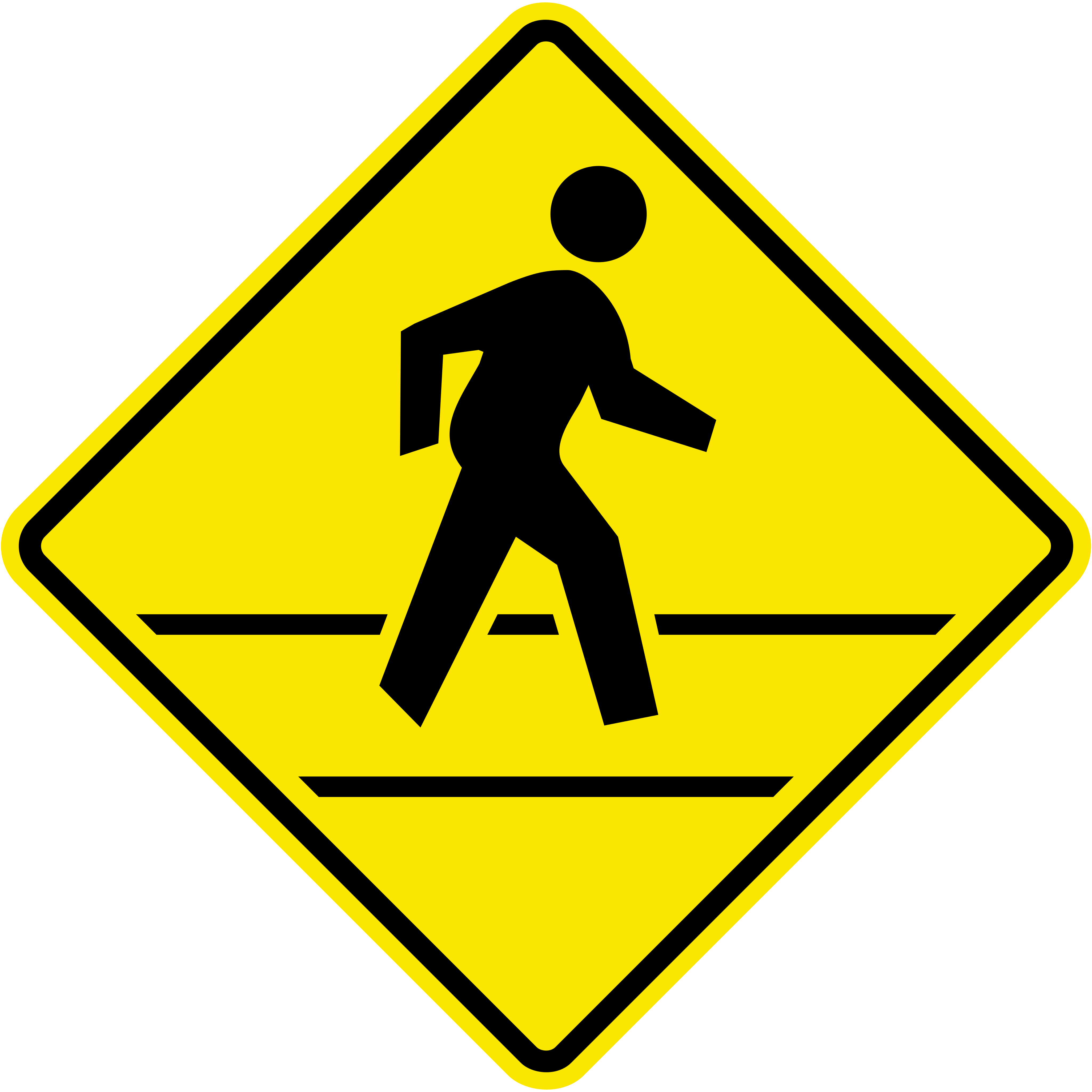
Pedestrian crossing ahead
A pedestrian crossing ahead. Slow down on the approach and be ready to stop for anyone on the crossing or about to step onto it.
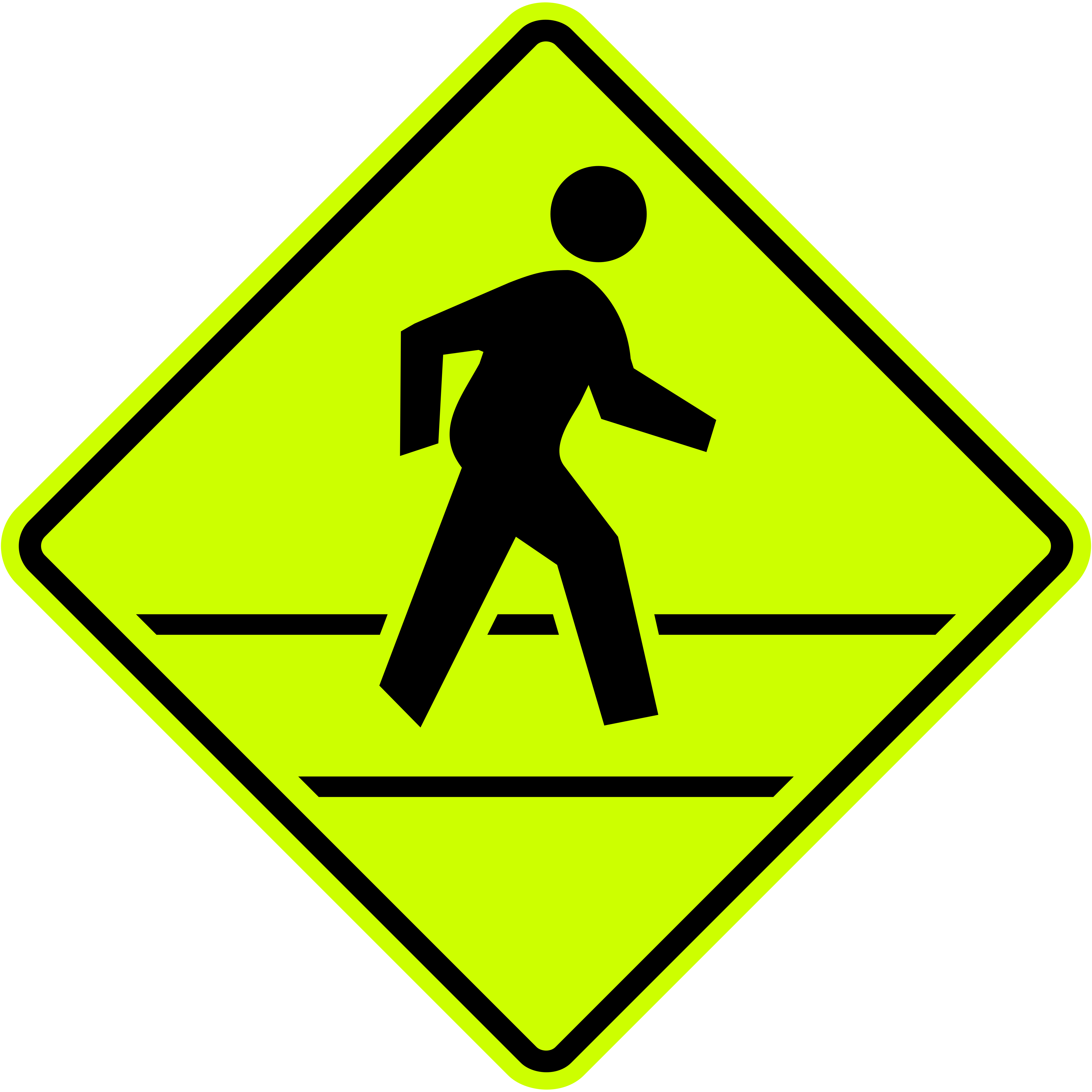
Pedestrian crossing ahead (fluorescent)
A pedestrian crossing ahead, on a fluorescent yellow-green panel used for extra visibility, often near schools. Treat it exactly like the standard warning: slow down and be ready to stop.
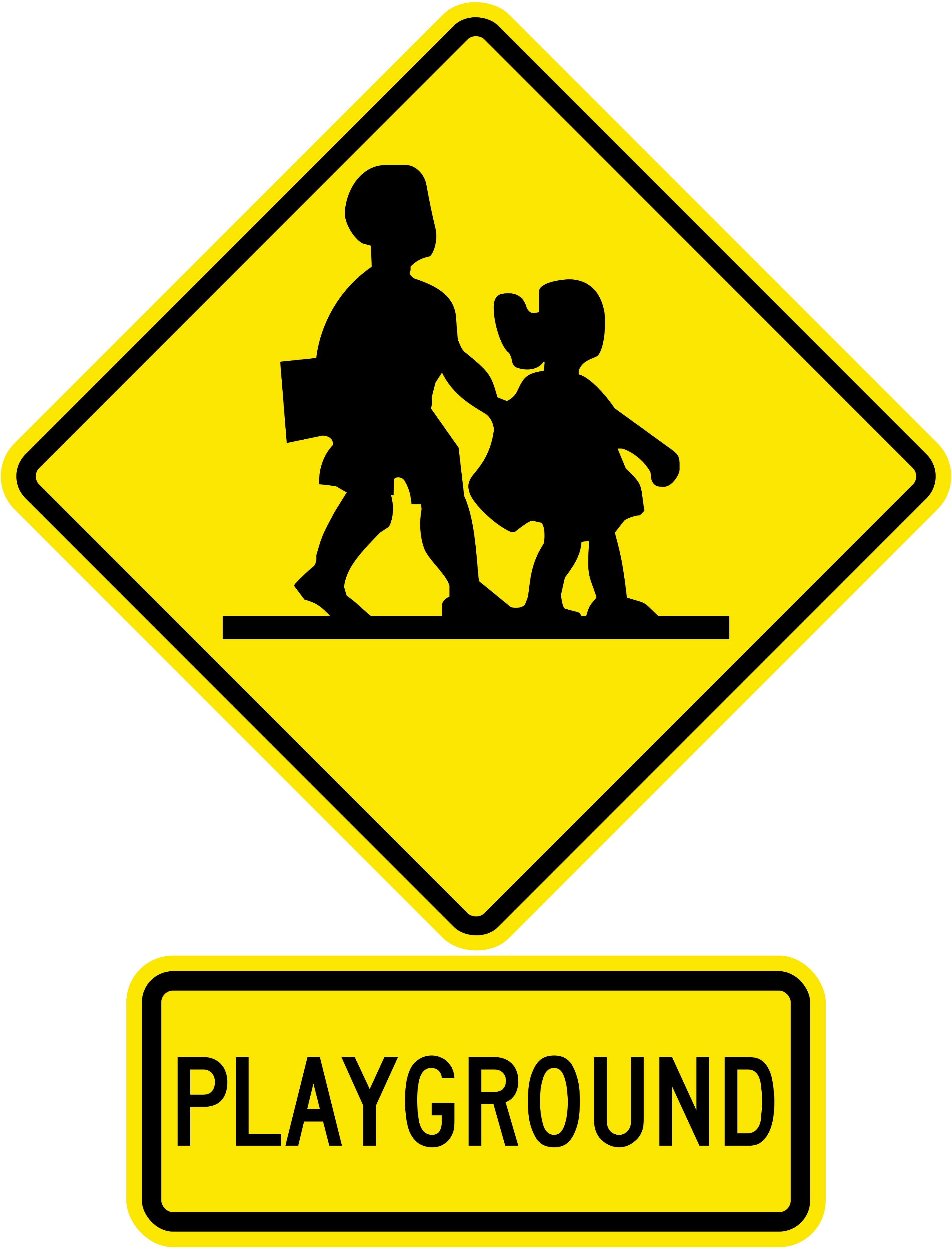
Playground
A playground beside the road ahead. Expect children close to the carriageway and be ready for a ball or a child to appear suddenly.
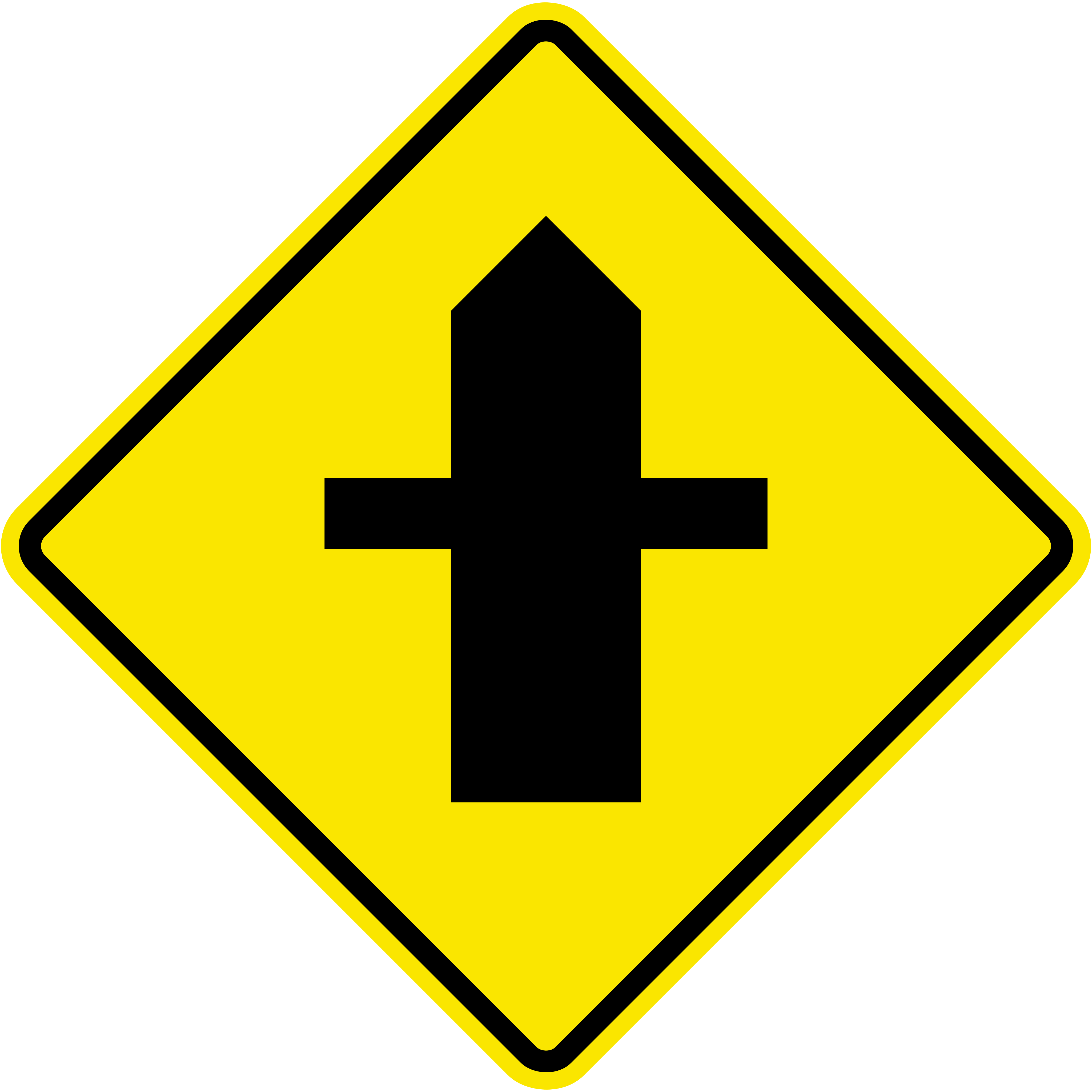
Priority intersection
A priority intersection ahead: you are on the main road and crossing traffic must give way to you. Stay alert anyway for drivers who miss their sign.
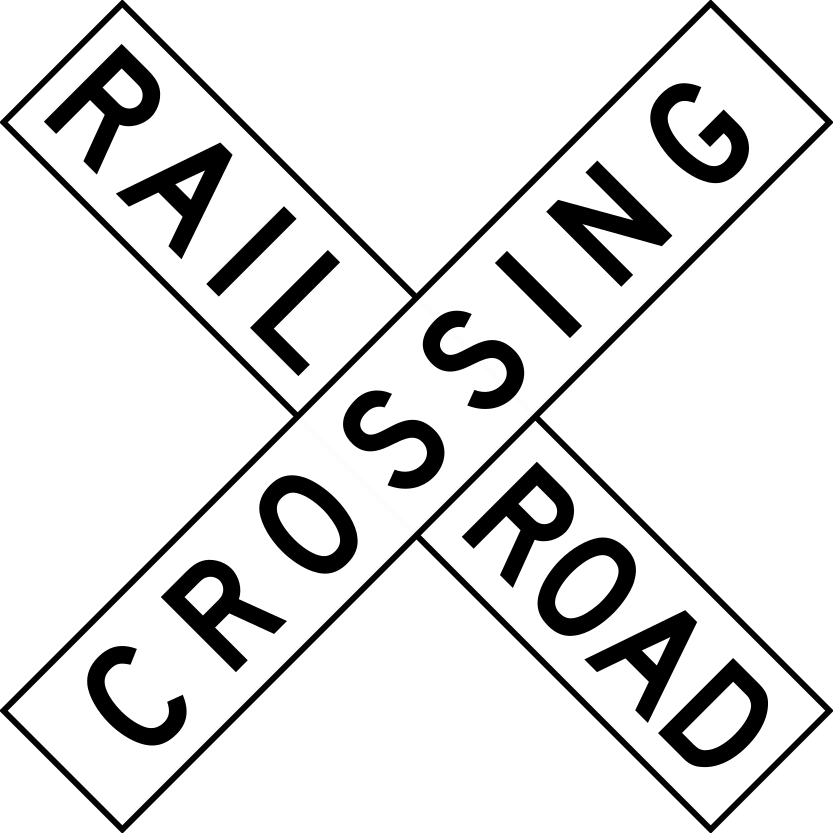
Railroad crossing
The crossbuck marking the railway crossing itself. Give way to any train: look both ways along the track and cross only when it is clearly safe.
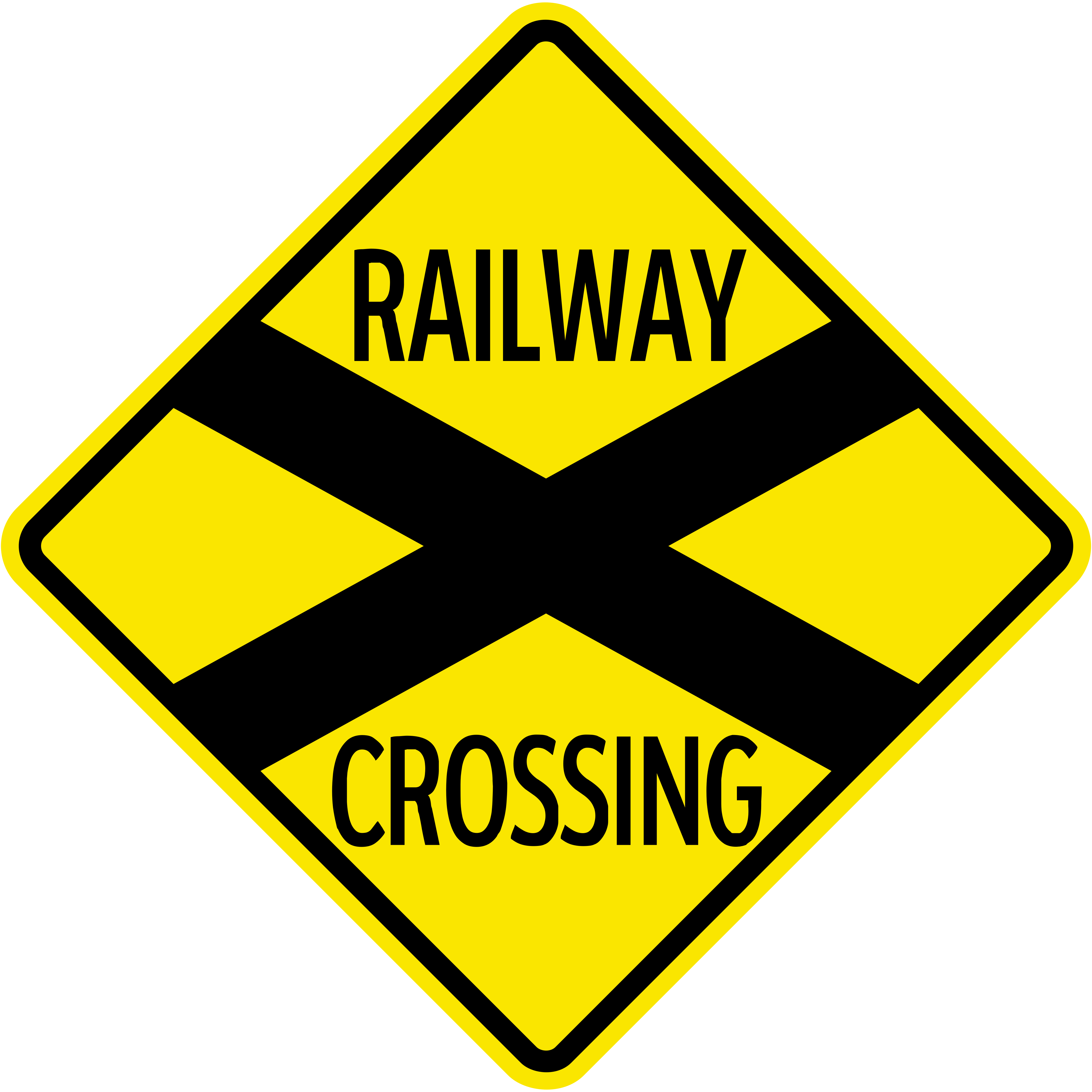
Railway crossing ahead
A railway crossing ahead. Slow down on the approach, look and listen for trains and be ready to stop; never start across unless you can clear the tracks completely.
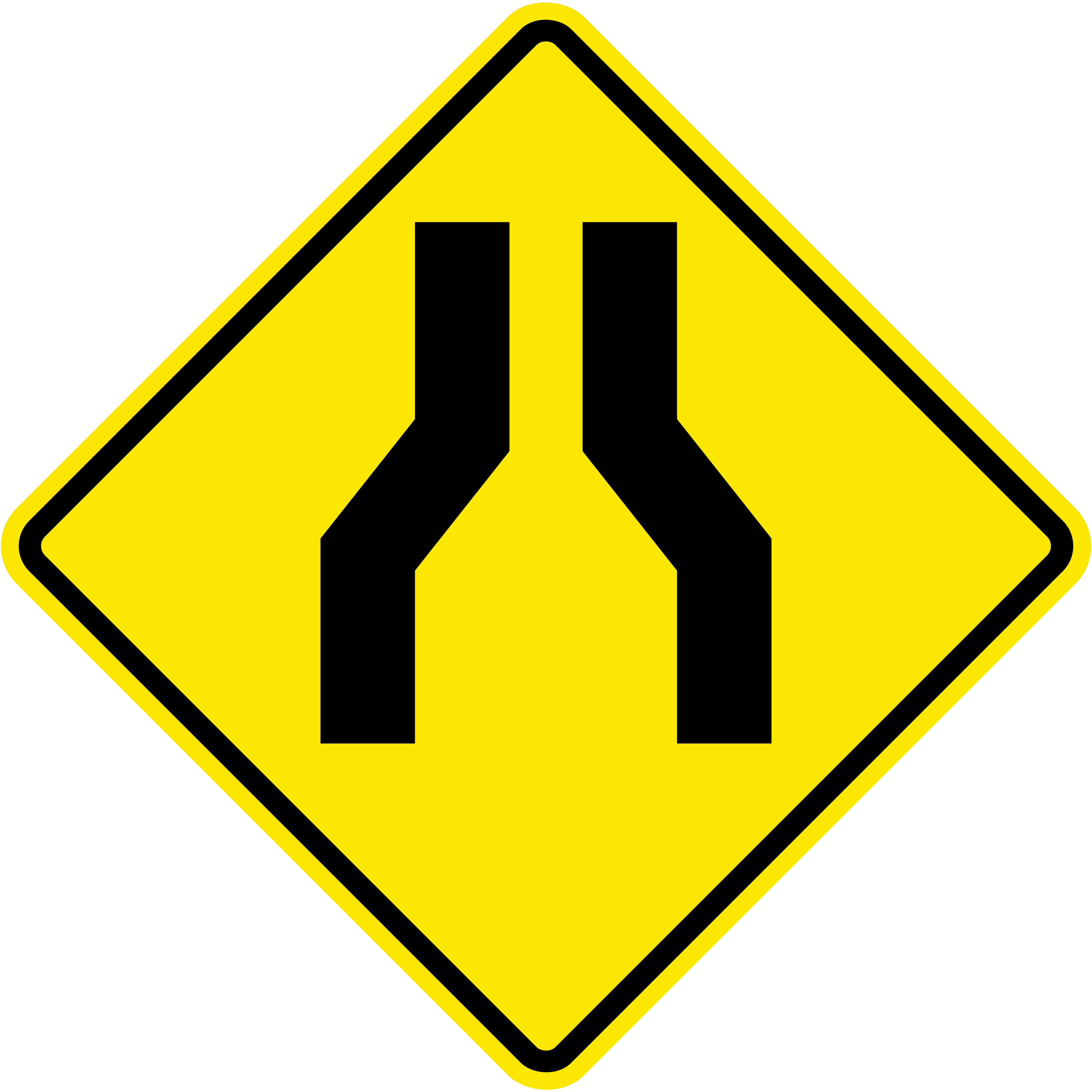
Road narrows from both sides
The road ahead narrows from both sides. Ease off, keep to the middle of your lane and be ready to give way where two vehicles cannot pass at the same time.
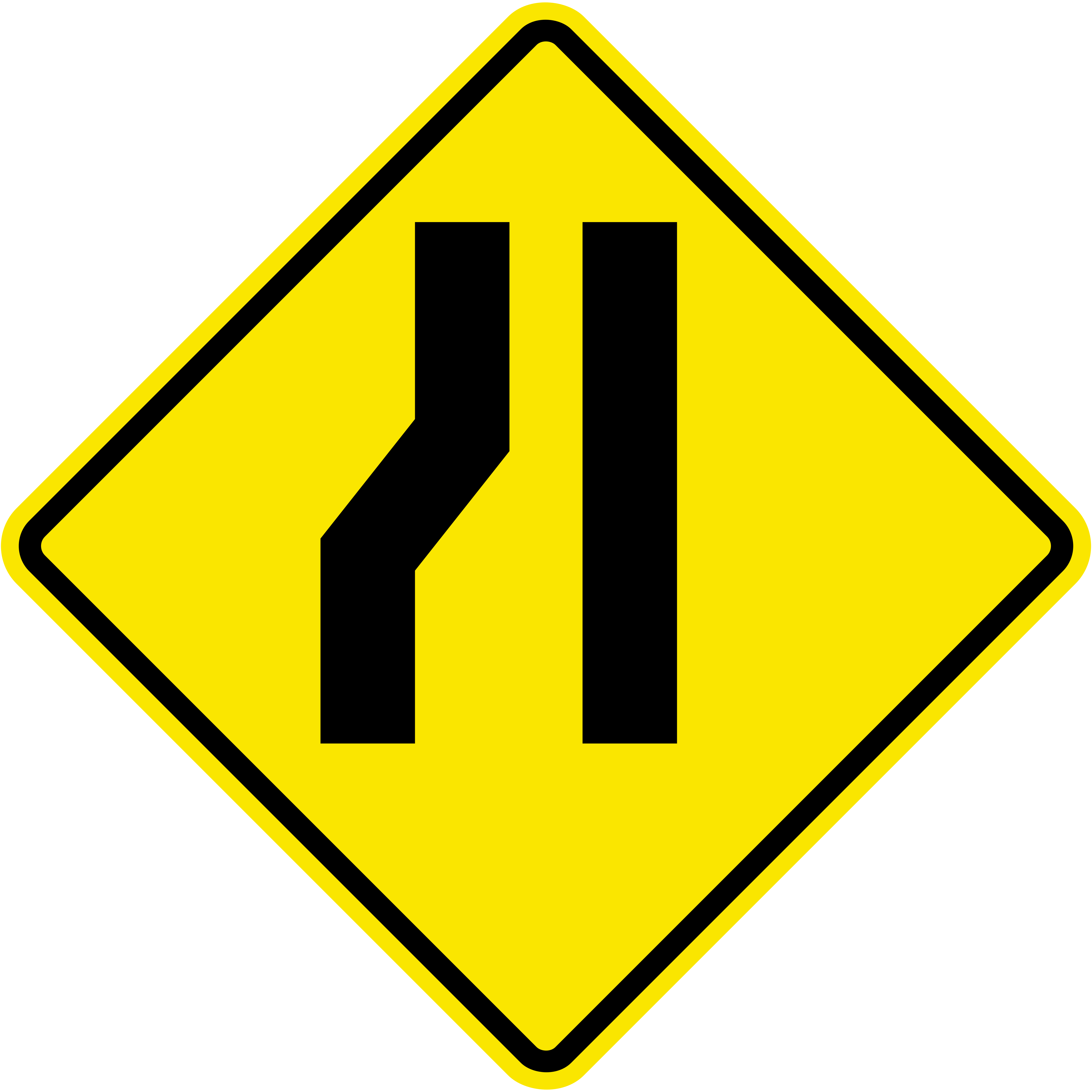
Road narrows from the left side
The road ahead narrows from the left side. Slow down and be ready for vehicles on your side of the road shifting towards the centre line.
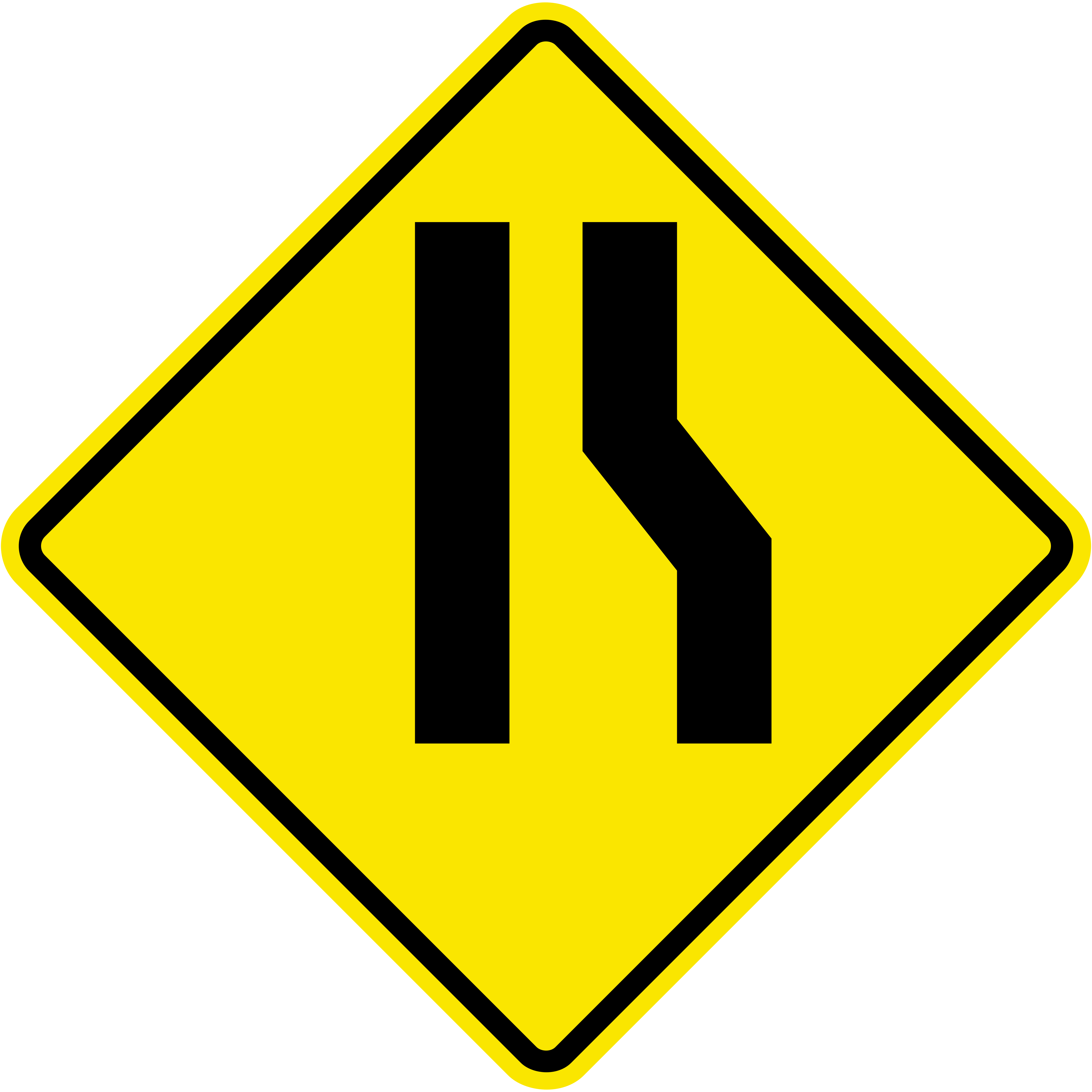
Road narrows from the right side
The road ahead narrows from the right side. Slow down and hold your line; traffic may move towards the centre as the road tightens.
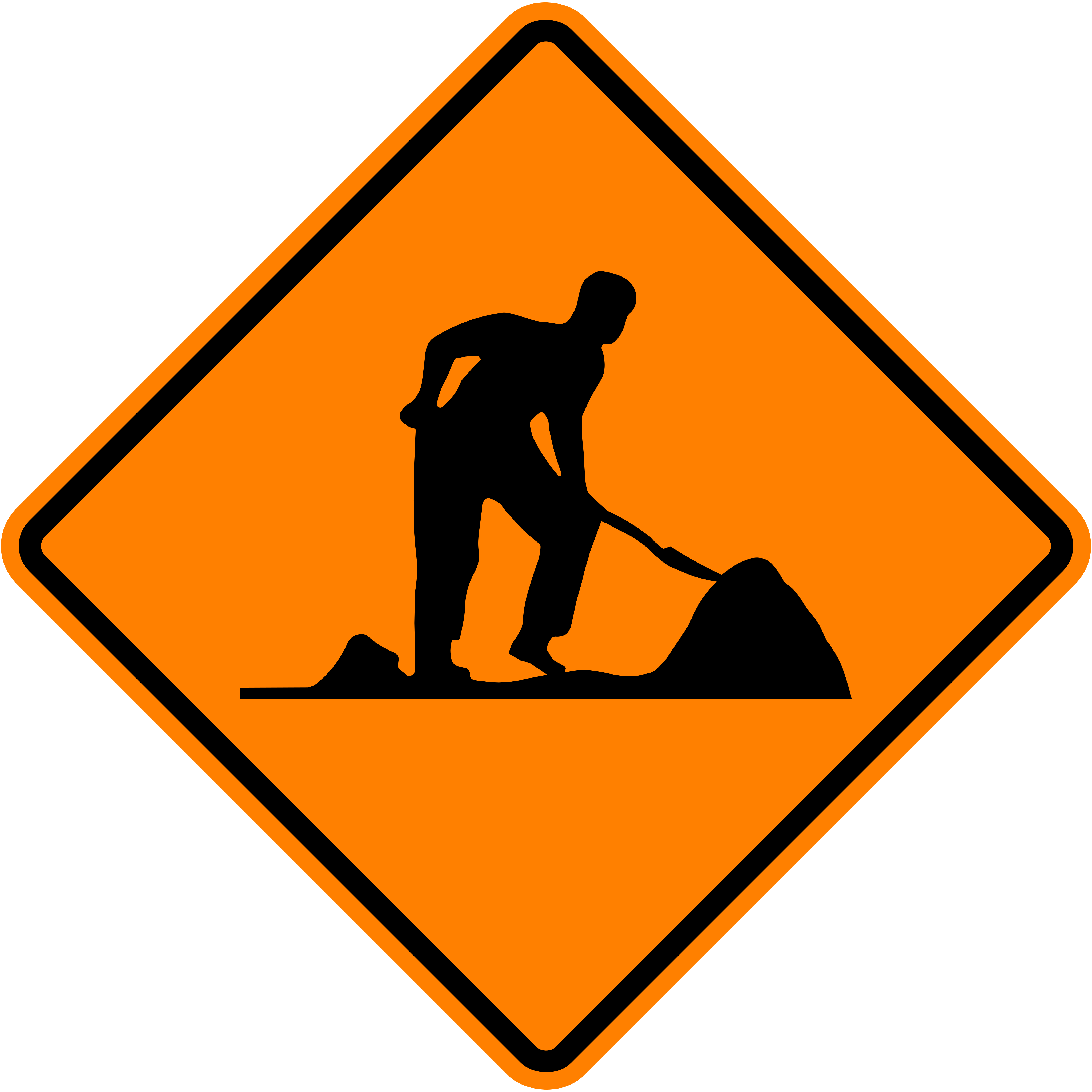
Roadworks
Roadworks ahead. Slow down, obey the temporary signs and flaggers, expect narrowed lanes, loose surfaces and workers close to moving traffic.
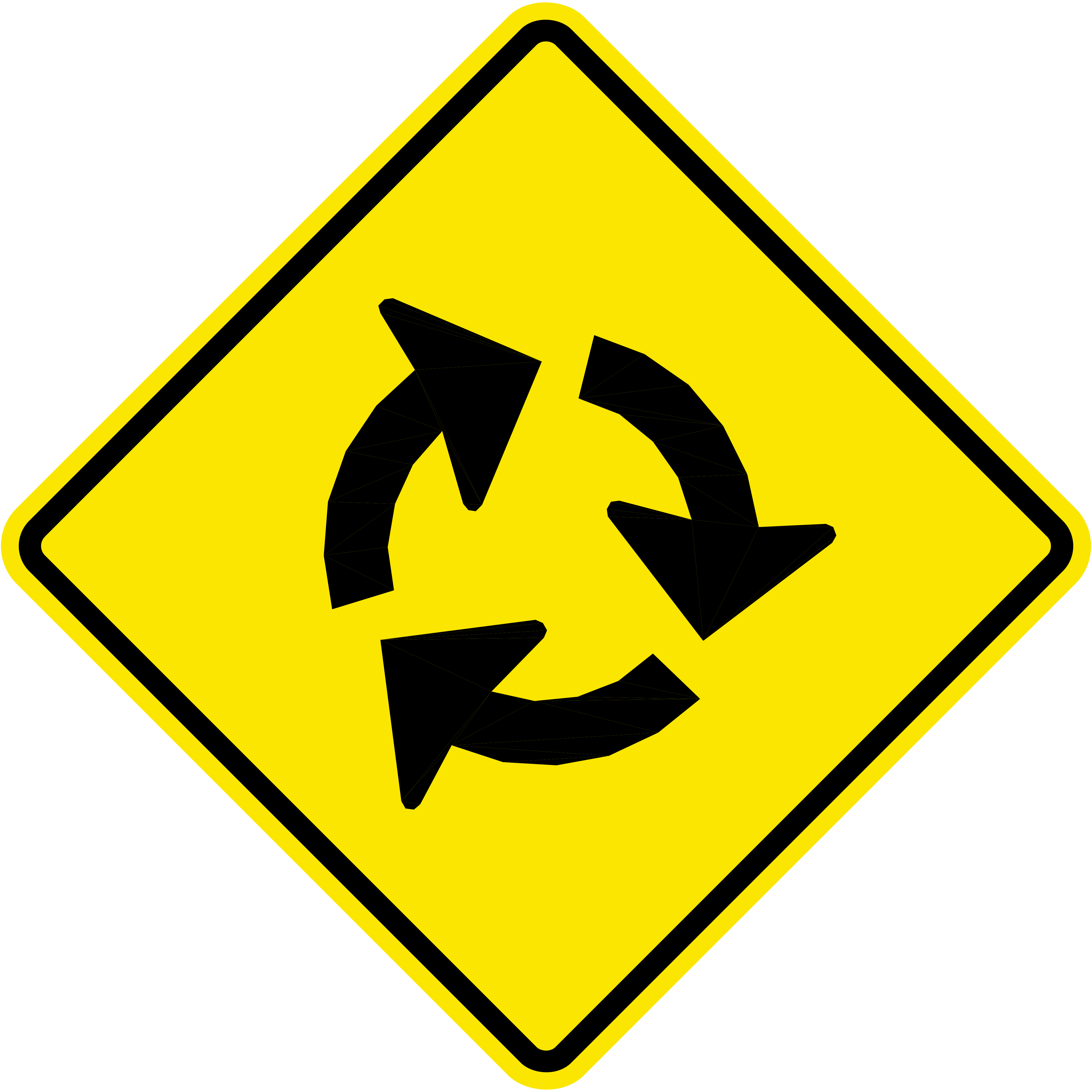
Roundabout
A roundabout ahead. Slow down on the approach and give way to traffic already circulating before you enter.
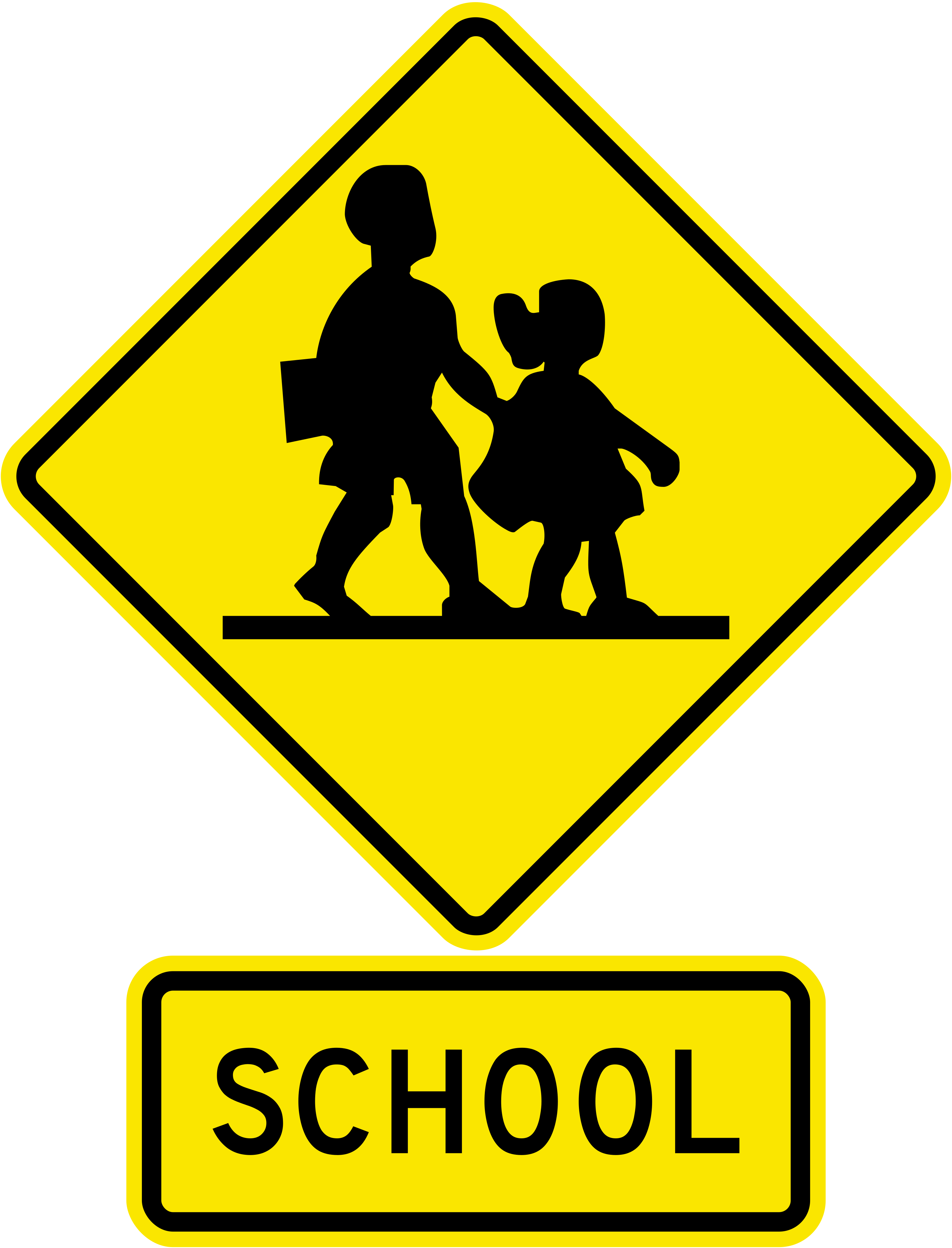
School zone
You are entering a school zone. Slow down, obey any reduced limit, and watch for children crossing, school buses stopping and crossing guards in the road.
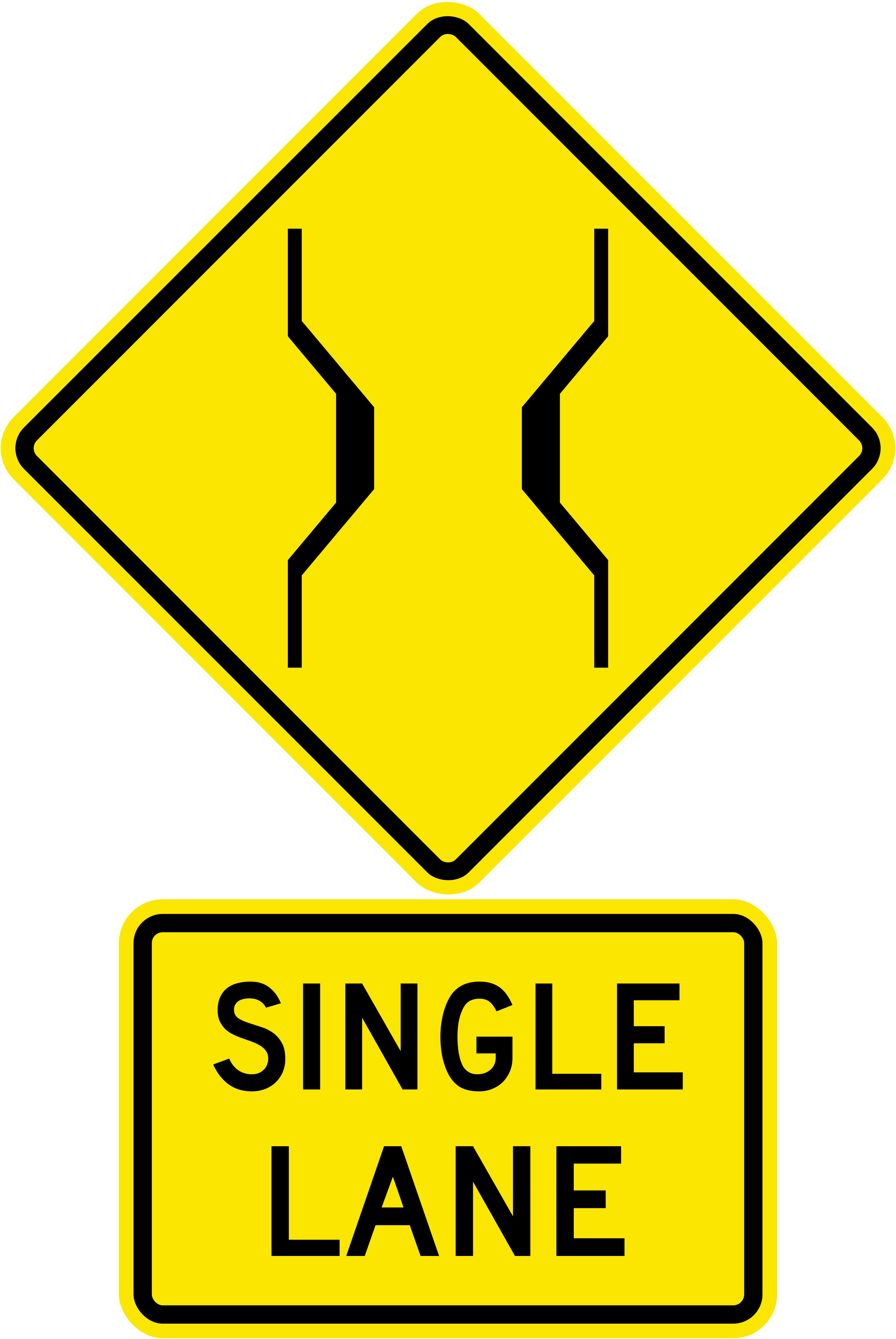
Single lane bridge
A single lane bridge ahead with room for only one vehicle at a time. Slow down, look across before entering and give way to a vehicle already on the bridge.
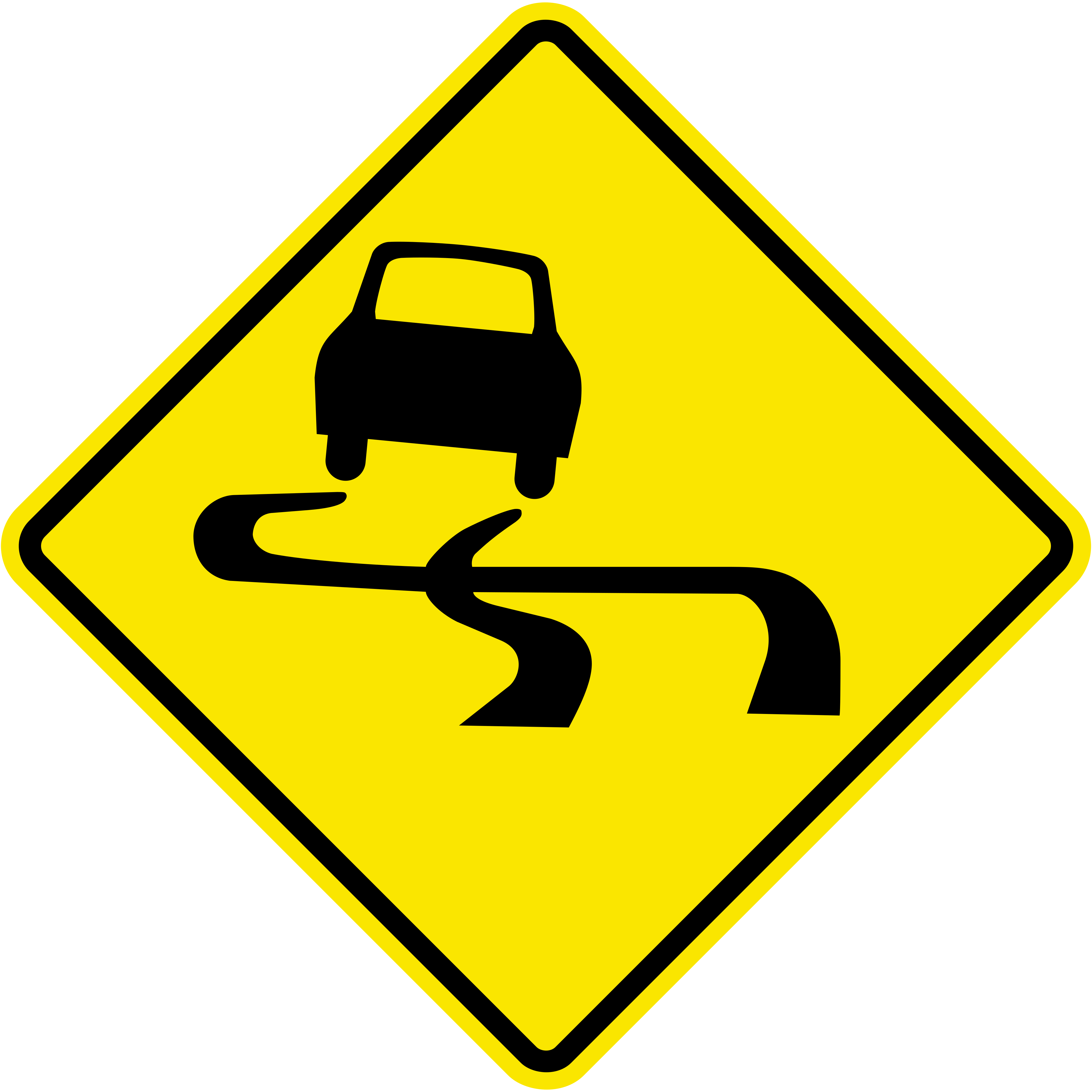
Slippery road
The road ahead can be slippery, especially when wet. Slow down, steer and brake smoothly, and leave a bigger gap to the vehicle in front.
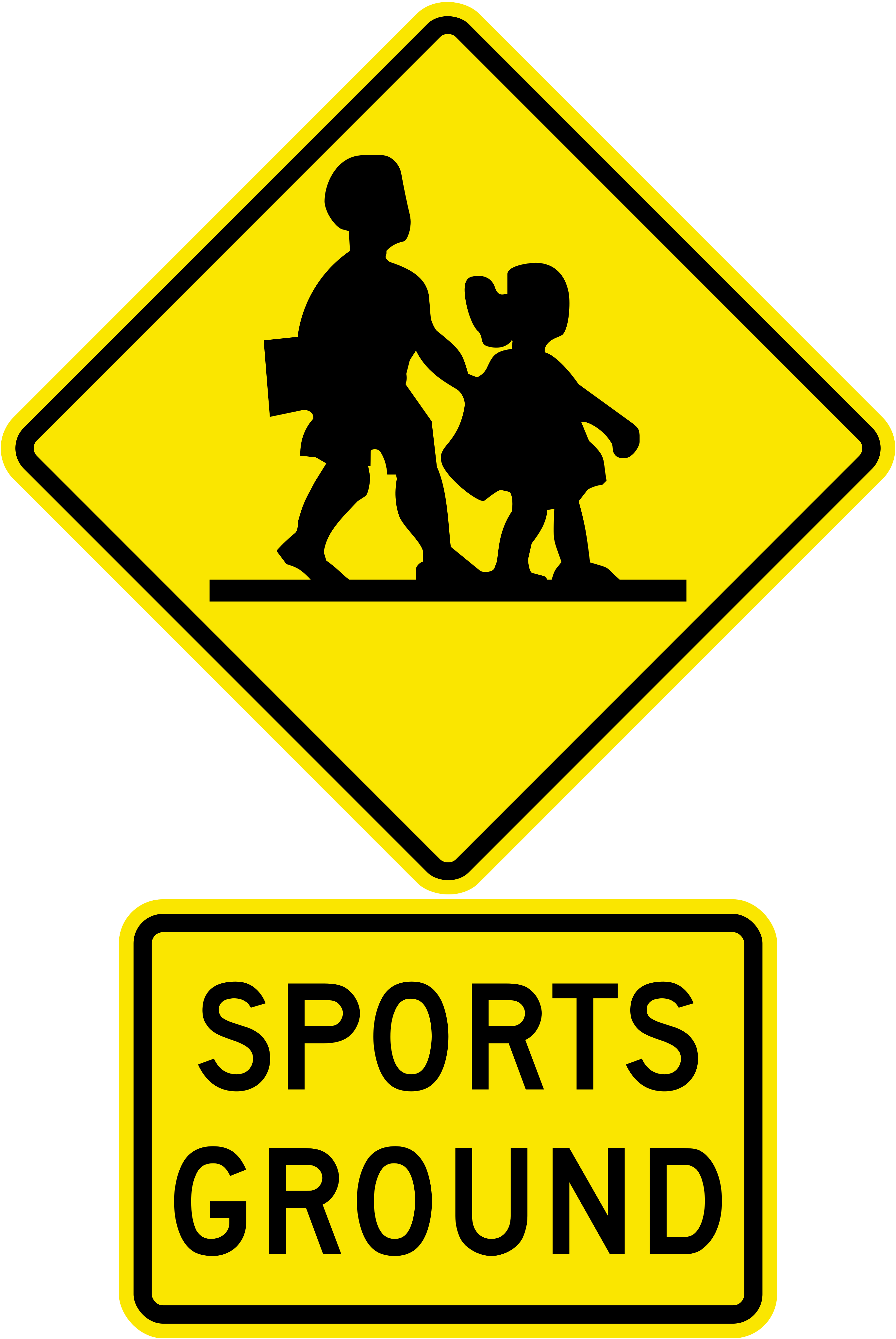
Sports ground
A sports ground beside the road ahead. Watch for players and spectators crossing, and for vehicles parking and pulling out around event times.
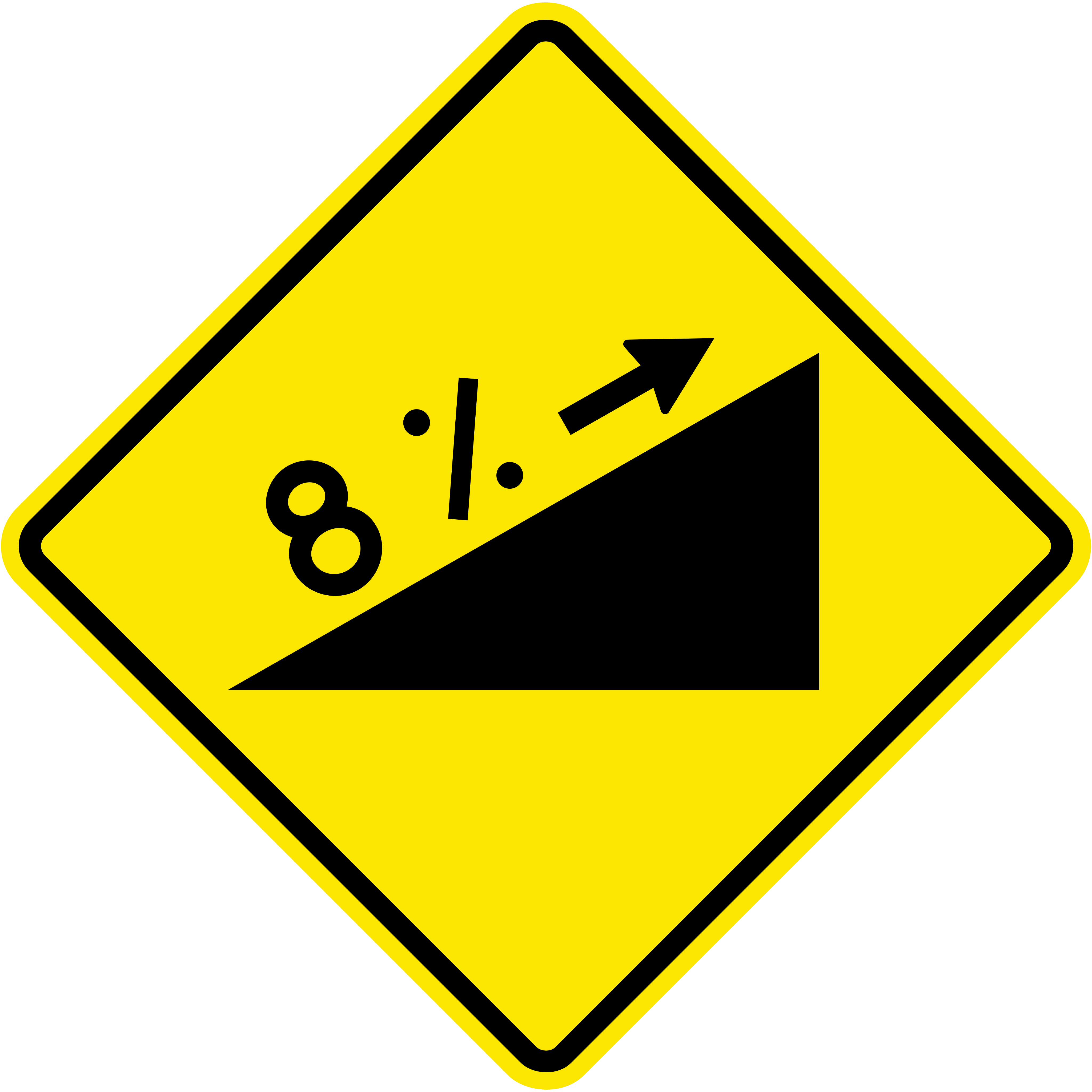
Steep ascent
A steep climb ahead. Change down early to keep a steady speed, and expect heavily loaded vehicles ahead of you to slow right down.
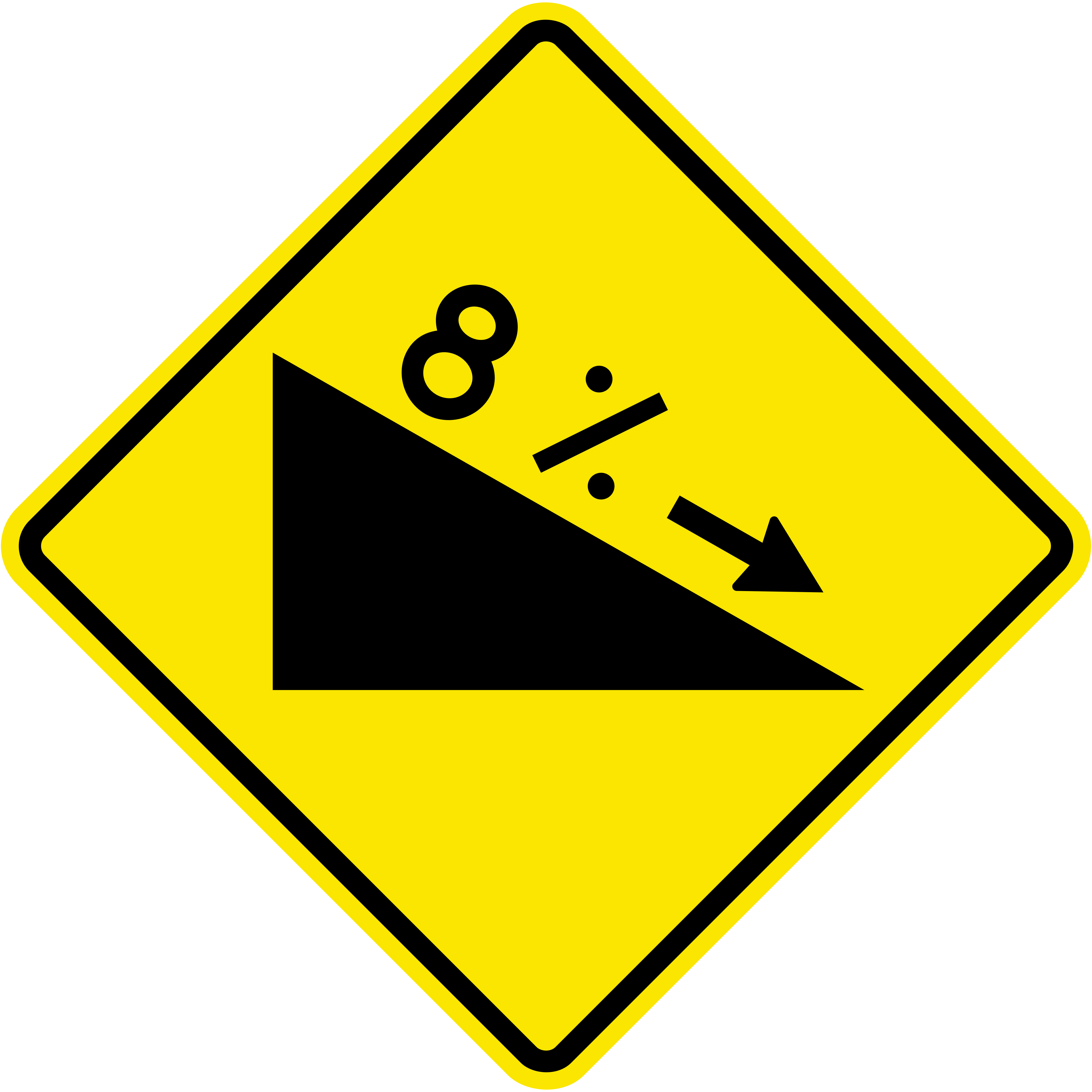
Steep descent
A steep descent ahead. Slow down and use a low gear so the engine helps hold the vehicle back; relying on the brakes all the way down can overheat them.
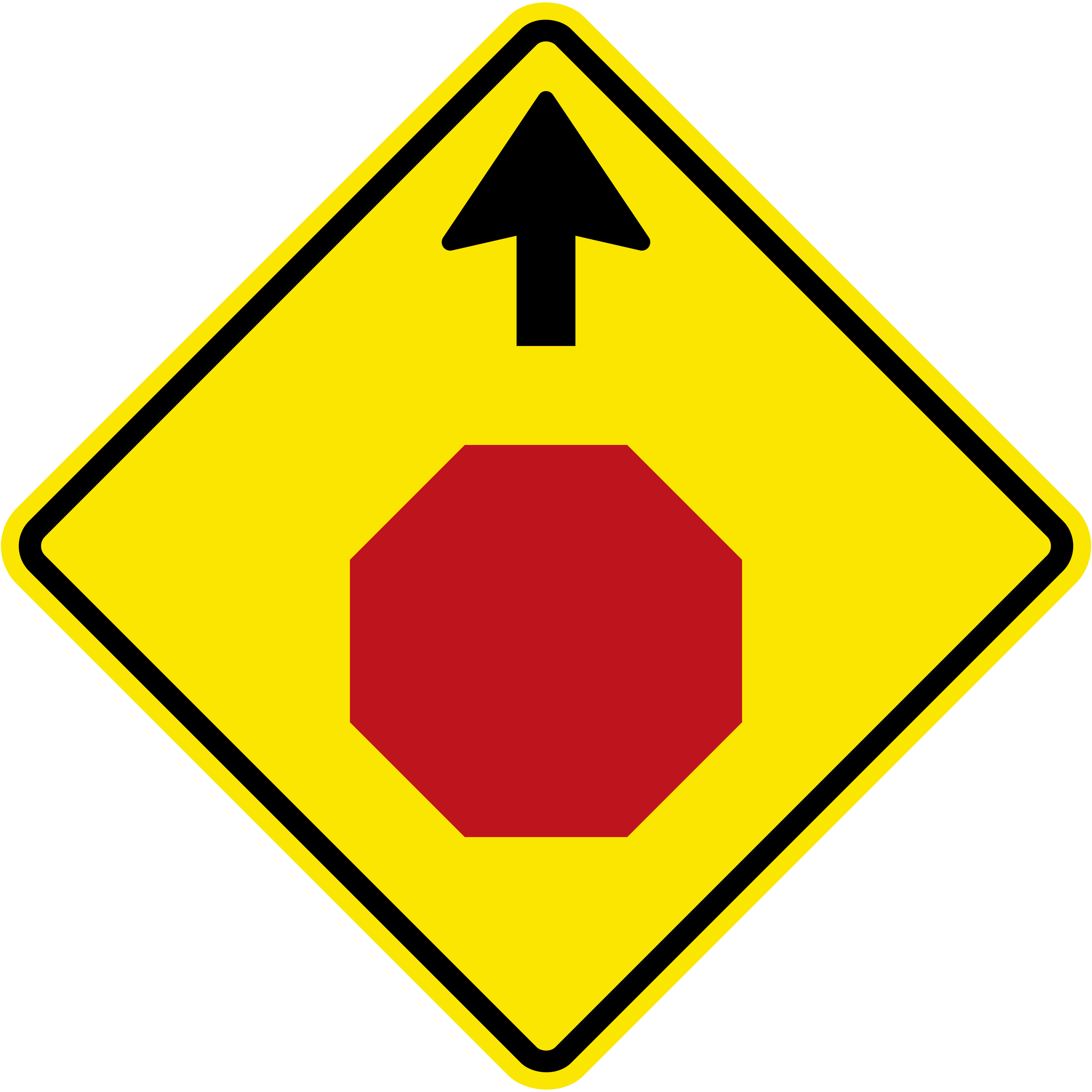
Stop ahead
A stop sign ahead. Start slowing now so you can come to a complete stop at the line, even if the junction looks clear from here.
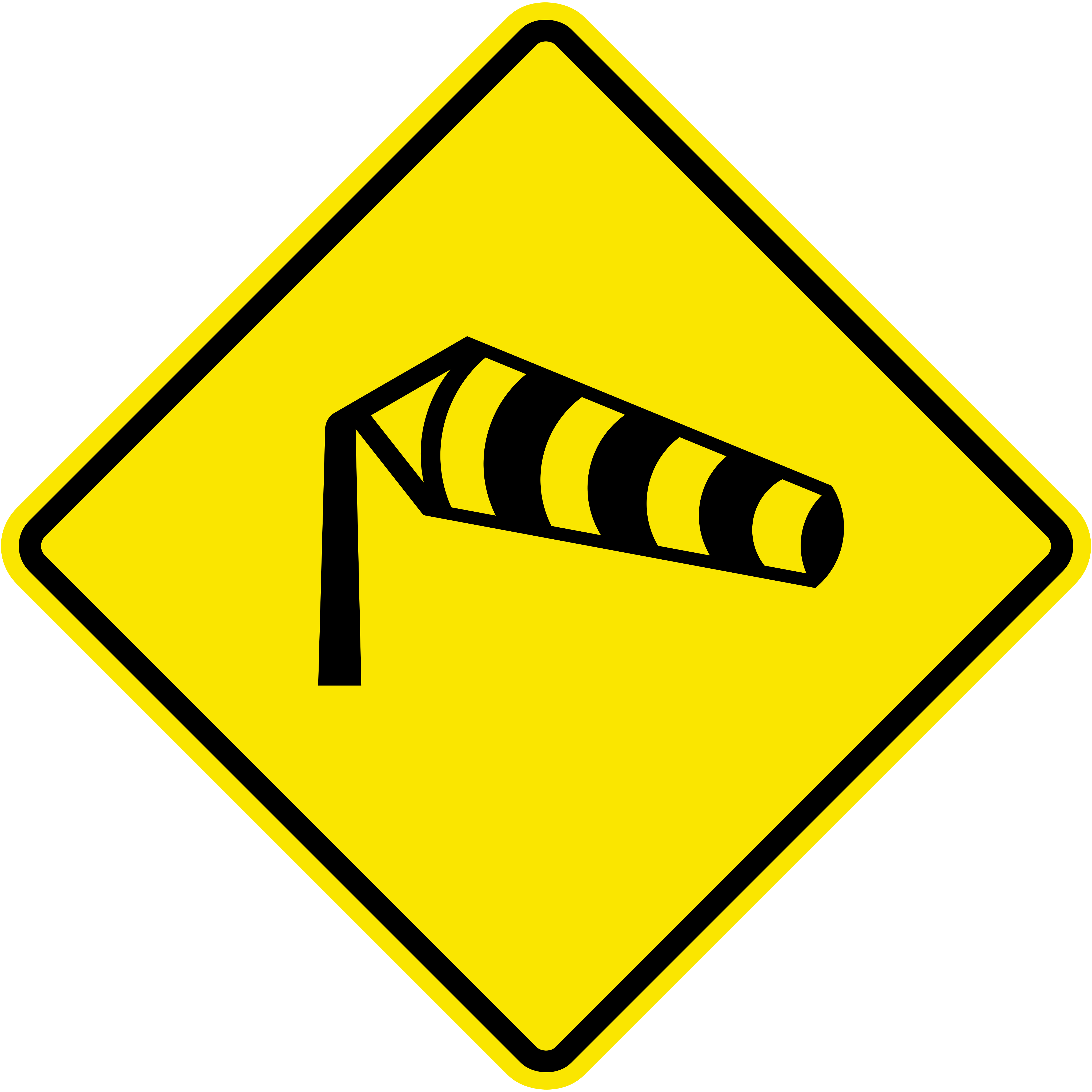
Strong crosswinds from the left
Strong crosswinds strike from the left on this stretch. Hold the wheel firmly and be ready for the push, especially on motorcycles or beside high-sided vehicles.
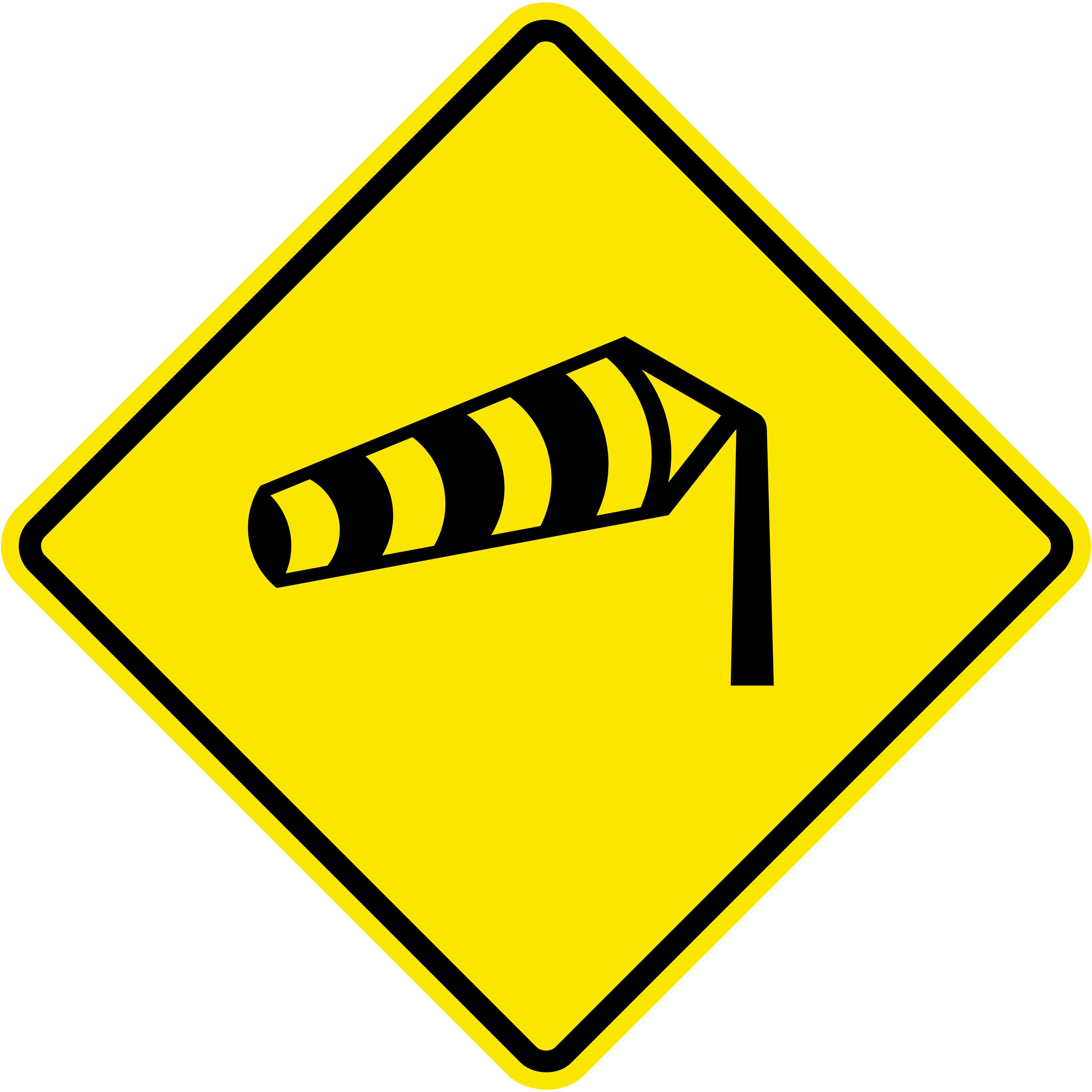
Strong crosswinds from the right
Strong crosswinds strike from the right on this stretch. Keep both hands on the wheel and correct gently; gusts hit hardest at gaps in buildings or terrain.
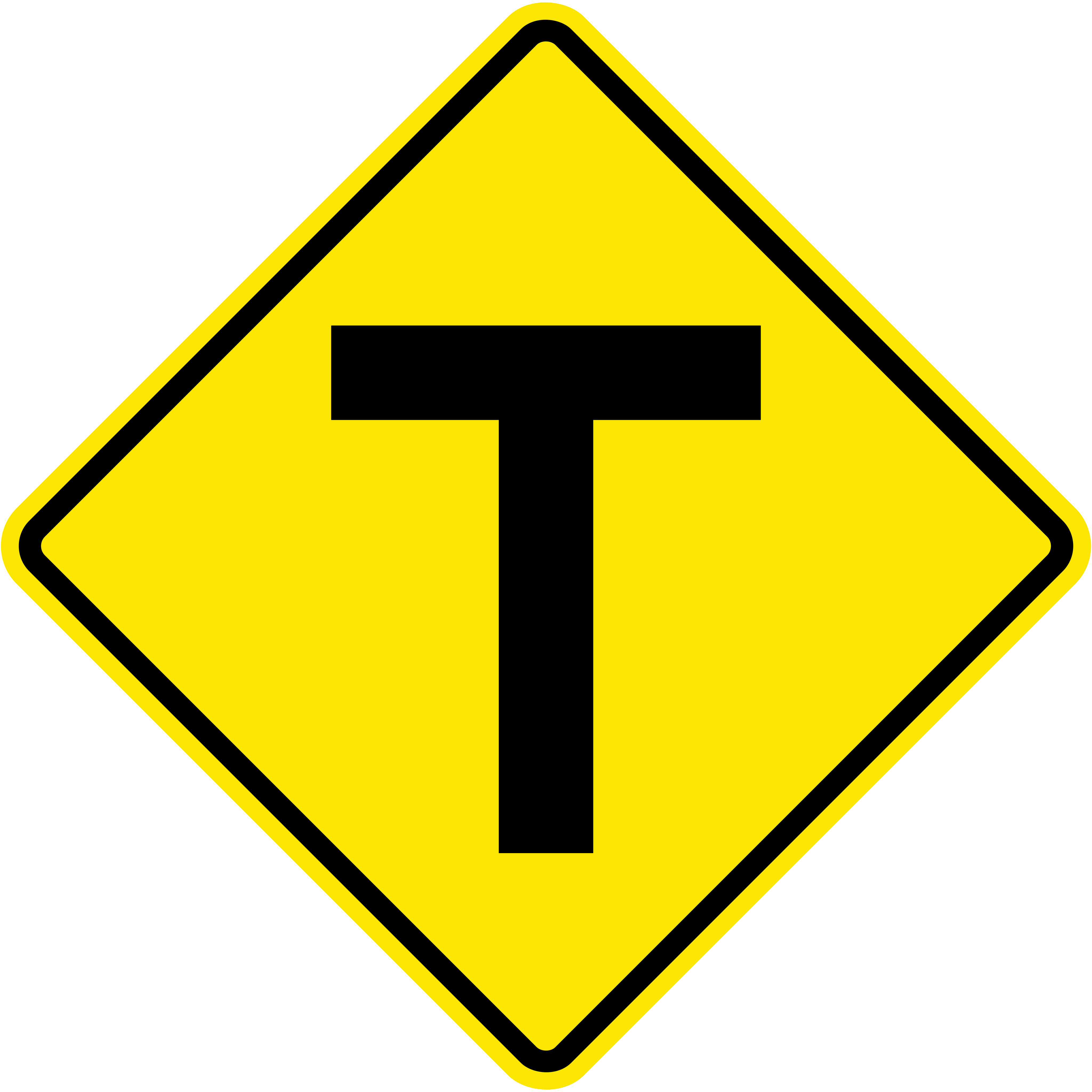
T-intersection
The road you are on ends at a T-intersection ahead. Slow down in good time and prepare to give way before turning left or right.
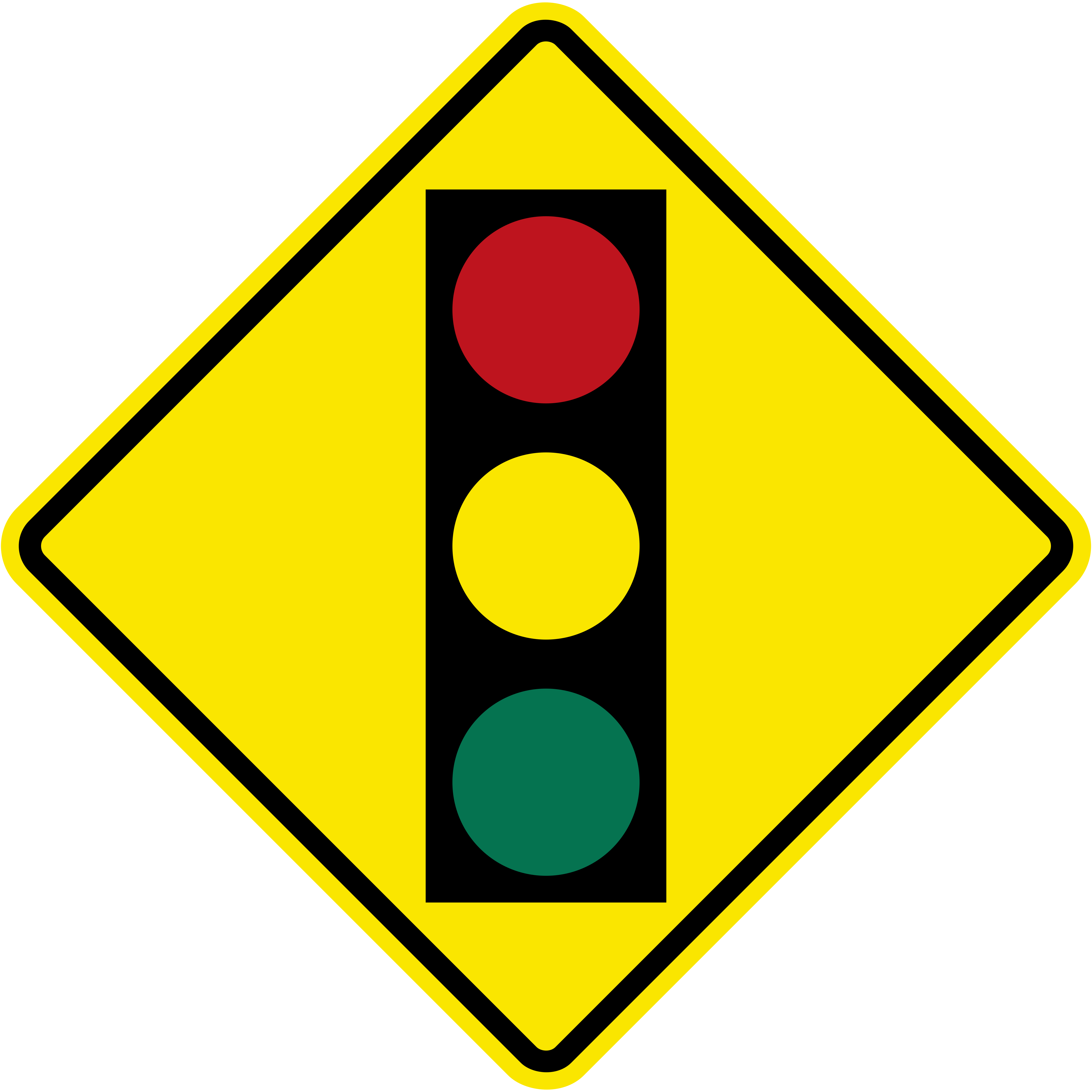
Traffic signals ahead
Traffic signals ahead. Be ready to slow and stop; the sign often stands where the lights come up quickly after open road.
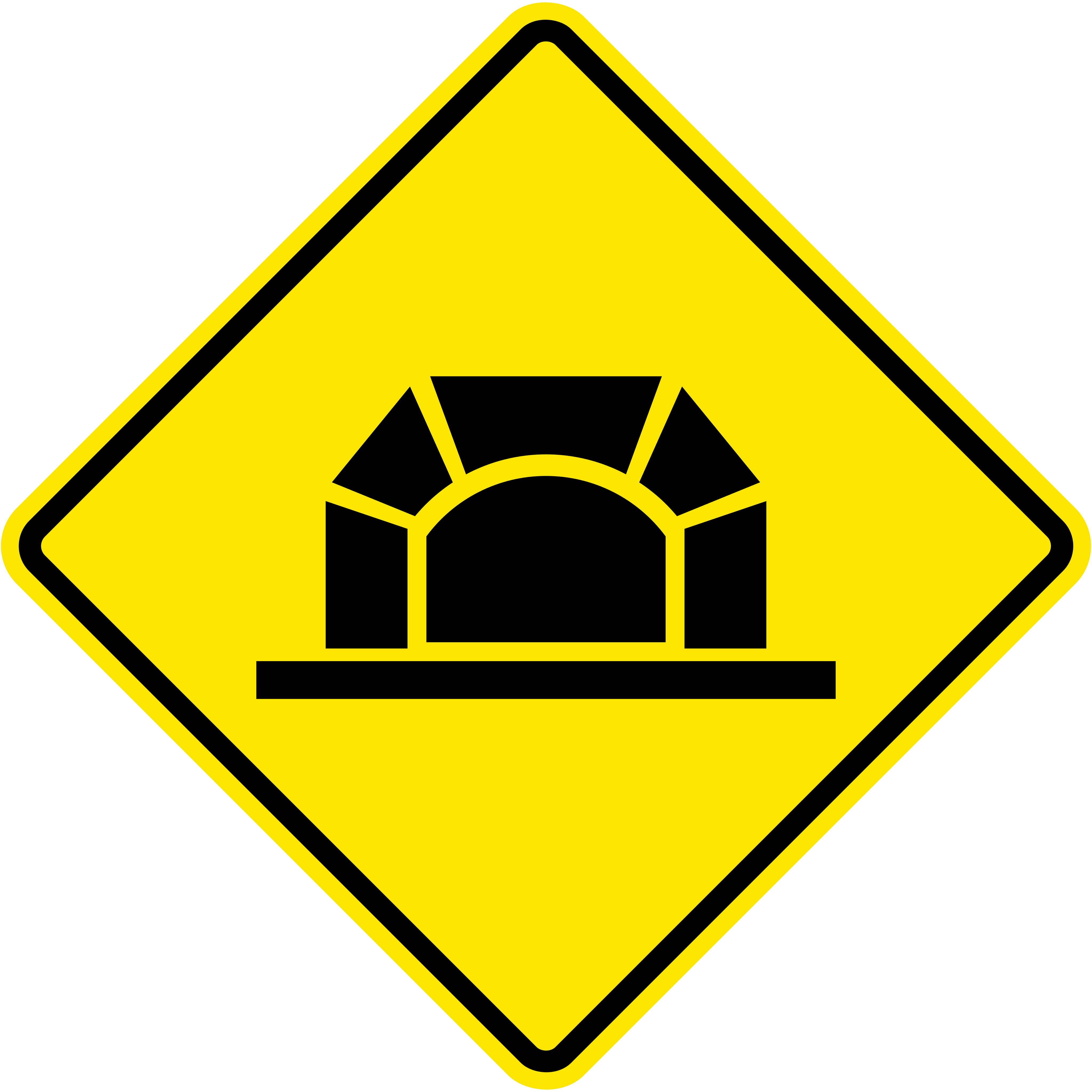
Tunnel
A tunnel ahead. Slow down, switch on your headlights before entering and take off sunglasses; your eyes need a moment to adjust to the dark.
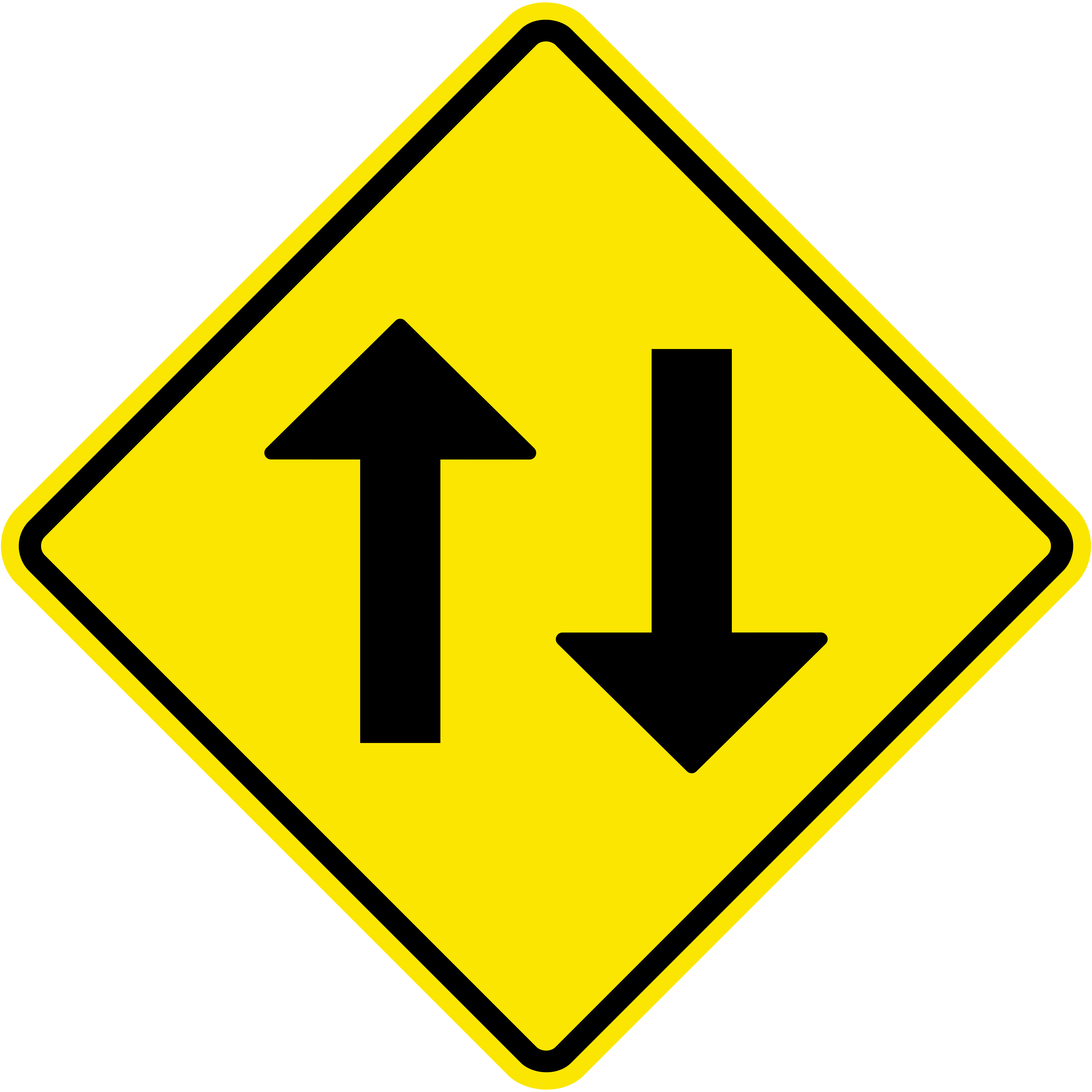
Two-way traffic
Two-way traffic ahead: the road stops being one way, or oncoming traffic joins your carriageway. Keep left and expect vehicles coming towards you.
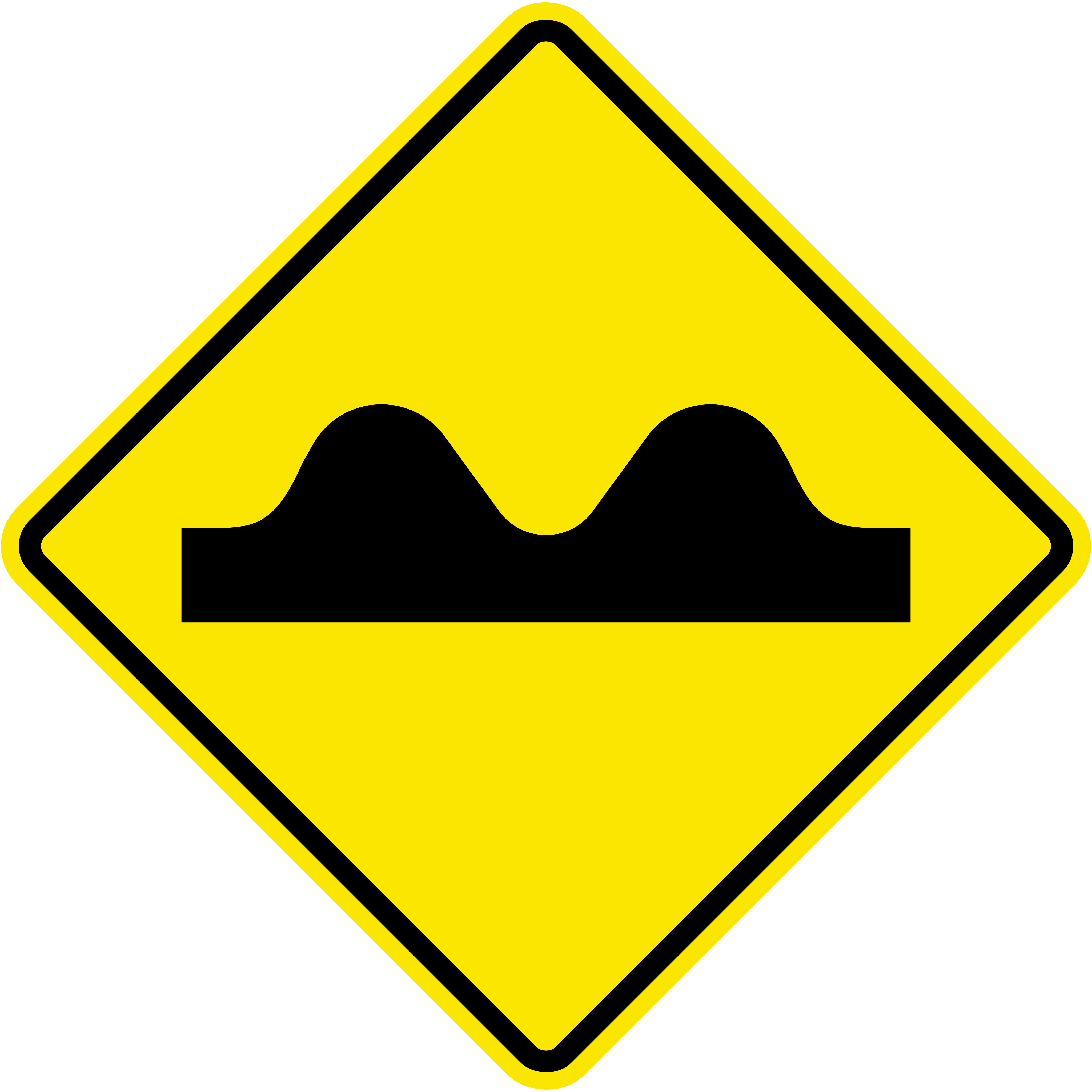
Uneven road
A stretch of uneven, broken or rutted road ahead. Slow down to keep the vehicle stable and to protect your tyres and suspension.
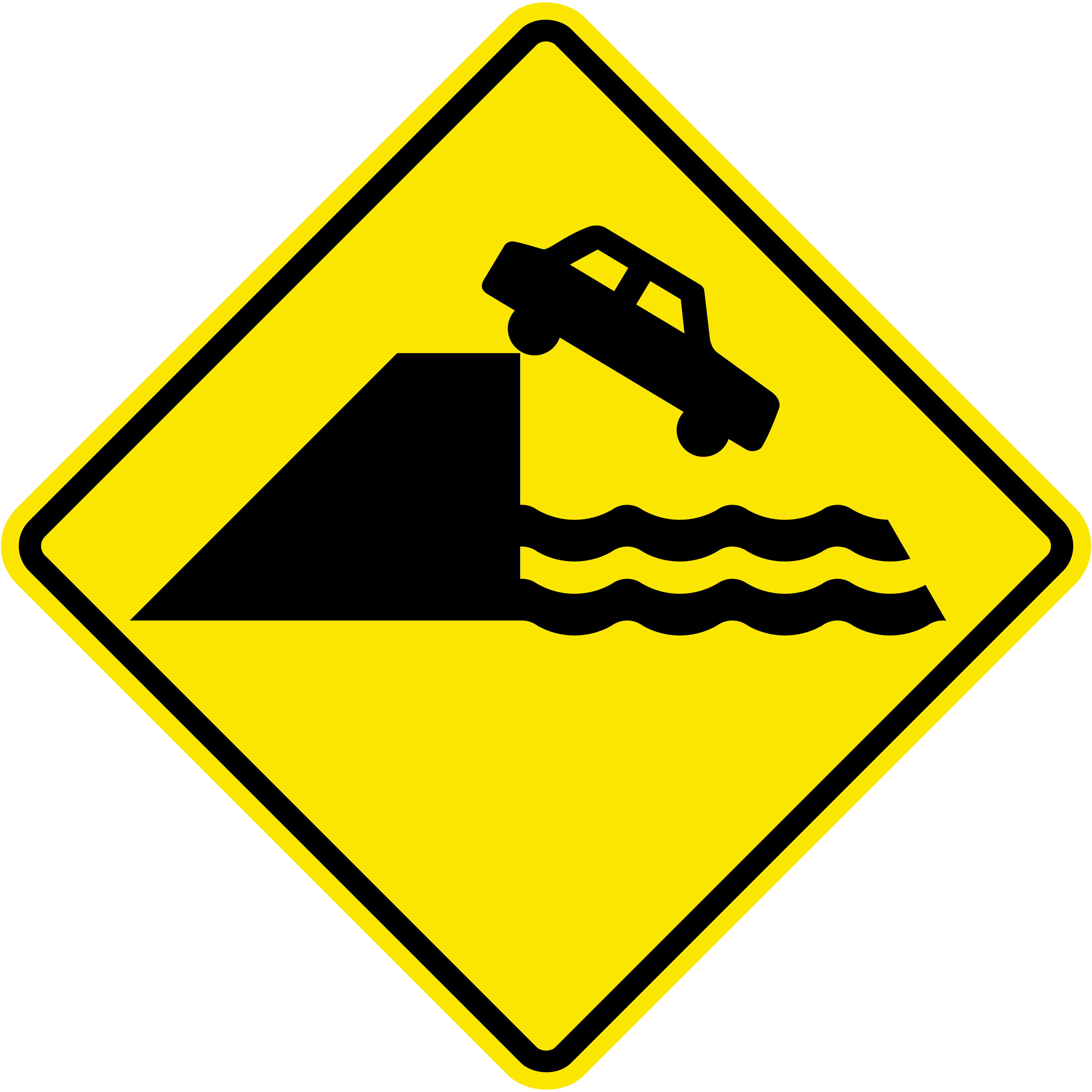
Unprotected quay, ferry berth or river bank
The road runs along an unprotected quay, ferry berth or river bank ahead, with no barrier between the road and the water. Keep well away from the edge and take extra care in the dark or rain.