Malta Prohibitory Signs
Indicate actions that are not permitted
19 signs in this category
Prohibitory signs indicate actions that are not permitted on Malta roads: no entry, no overtaking, no parking, or vehicle-specific restrictions. They set the legal limits you must respect.
Study tip: These are usually circular with a red border, and a red diagonal line means the action shown is banned. Watch for numbers or vehicle symbols that narrow the restriction.
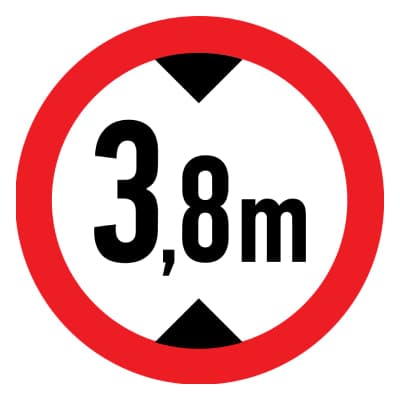
Maximum Height
Vehicles taller than the figure shown must not continue, usually because of a low bridge or structure ahead. Know your vehicle's height, with its load, before you pass.
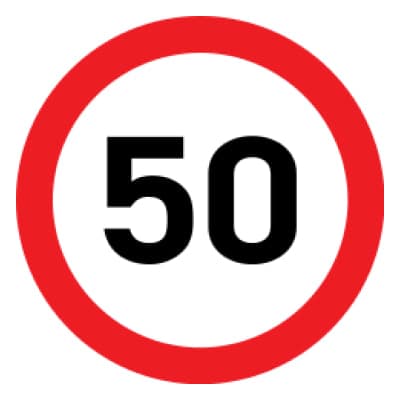
Maximum Speed Limit
You must not drive faster than the figure shown from this sign onwards. The limit is a ceiling, not a target: drive slower whenever conditions demand it.
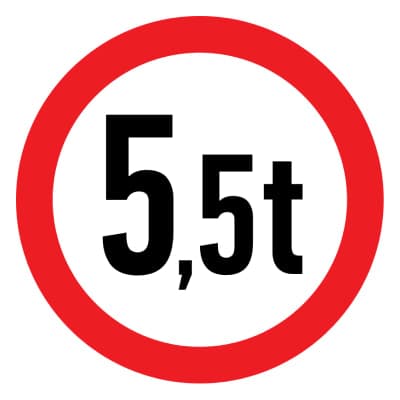
Maximum Weight
Vehicles heavier than the figure shown, including their load, must not continue. The limit protects a weak bridge or road structure ahead.
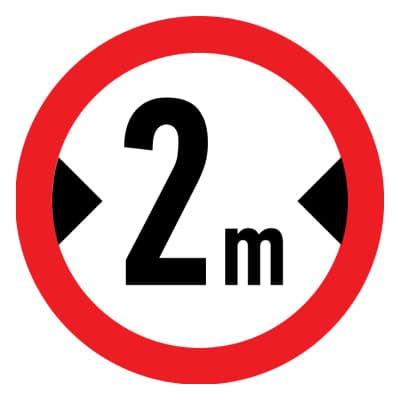
Maximum Width
Vehicles wider than the figure shown must not continue; the road or a structure ahead is too narrow. Check your width, mirrors and load before passing.
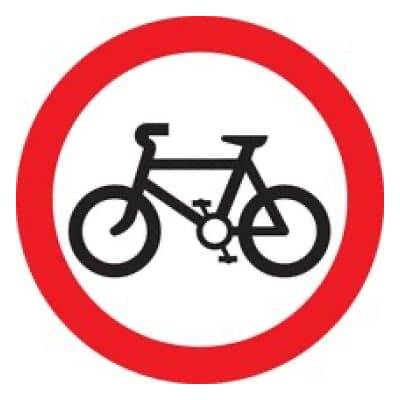
No Cycling
Pedal cycles must not be ridden past this sign. A cyclist may usually dismount and push the cycle as a pedestrian instead.
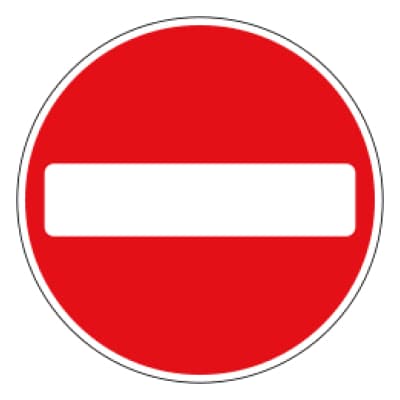
No Entry
Do not enter: the road beyond carries traffic towards you, usually the far end of a one-way street. Driving past this sign puts you head-on into the flow.
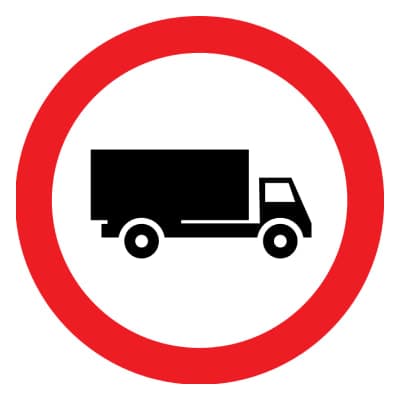
No Heavy Goods Vehicles
Goods vehicles above the weight shown on the sign or its plate may not pass. The ban keeps heavy traffic out of streets that cannot take it; other vehicles continue normally.
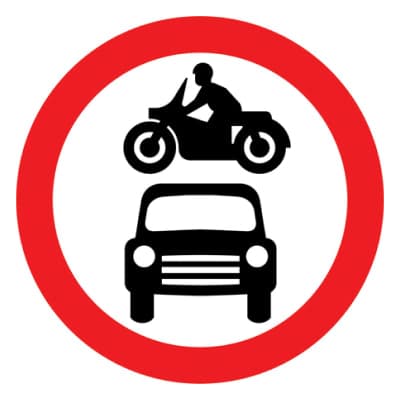
No Motor Vehicles
Motor vehicles may not pass this sign; the route stays open to pedestrians and pedal cycles. Typical at pedestrian zones and paths shared with cyclists.
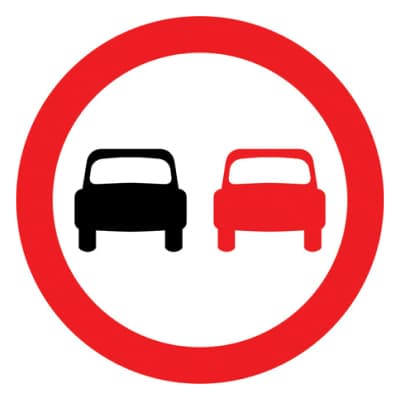
No Overtaking
Overtaking is prohibited from this sign until it is cancelled. Even a slow vehicle ahead must be followed; the ban exists because passing here has ended in head-on collisions.
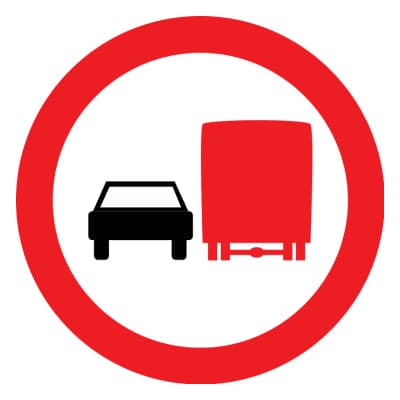
No Overtaking by Heavy Vehicles
Goods vehicles above the weight on the sign or plate must not overtake here. Car drivers should expect heavy vehicles to stay in line on this stretch.
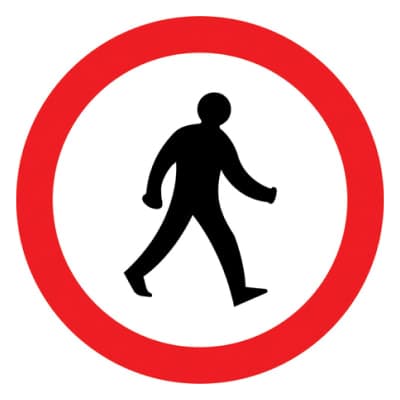
No Pedestrian Crossing
The red ring with the walking figure closes this stretch to people on foot: do not walk along or cross the road here. Use the footpath or the crossing provided nearby instead.
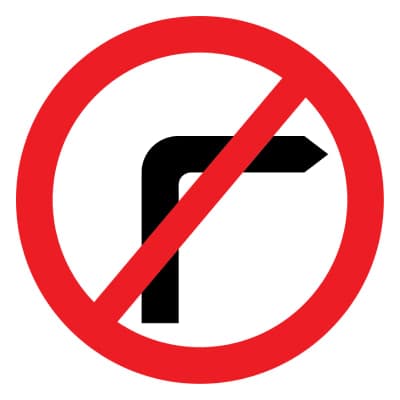
No Right Turn
Turning right is prohibited at this junction. Plan another way round; the ban usually protects you from crossing a dangerous stream of traffic.
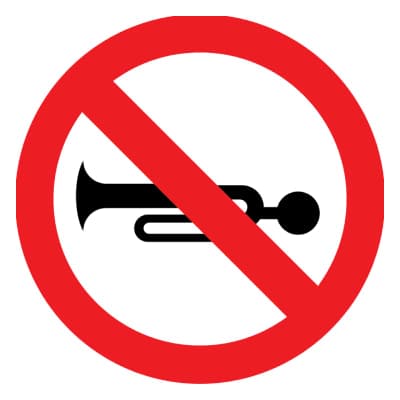
No Sounding of Horns
Using the horn is prohibited beyond this sign except in an emergency to avoid a collision. Typical near hospitals, schools and quiet zones.
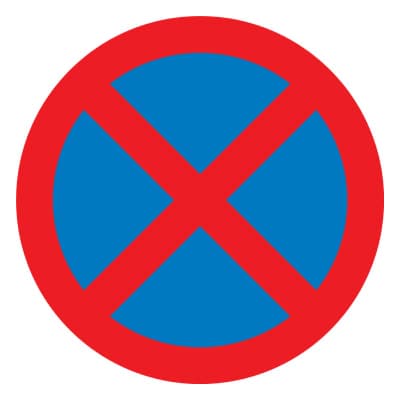
No Stopping (Clearway)
You must not stop your vehicle on this stretch at all, not even to pick up or set down a passenger. A clearway keeps traffic moving; stopping is allowed only in a genuine emergency.
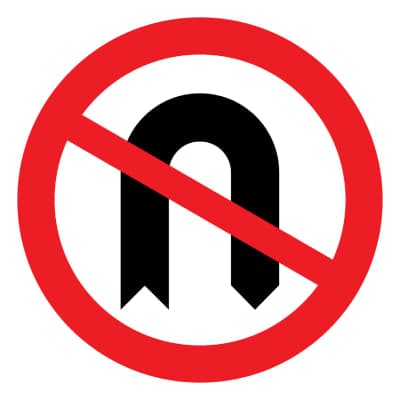
No U-Turn
You must not turn your vehicle around to face the opposite direction at this point. Carry on and turn where the manoeuvre is permitted and safe.
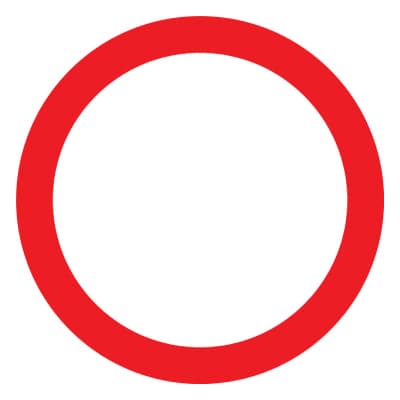
No Vehicles
The plain red ring closes the road to vehicles. In practice only pedestrians, and cycles pushed by hand, may go past it; check any plate for access exceptions.
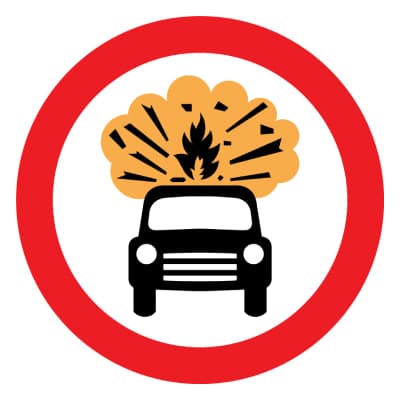
No Vehicles Carrying Explosives
Vehicles carrying explosives or similarly dangerous goods must not pass this sign. The restriction keeps hazardous loads away from tunnels, dense areas and vulnerable structures.
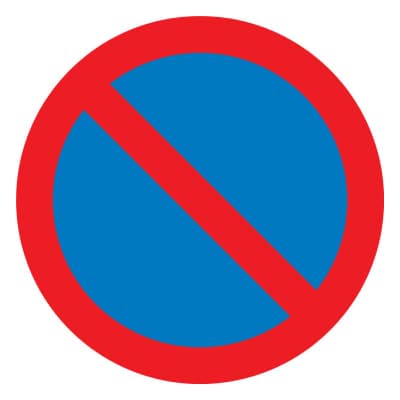
No Waiting
You may stop briefly to let a passenger in or out, but you must not wait or park. Plates below usually give the days and hours when the restriction applies.
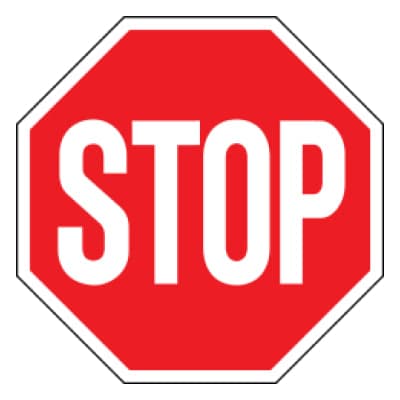
Stop
You must come to a complete stop at the line even when the road looks empty, then move off only when it is safe. Rolling through a stop line is an offence and an instant test failure.