Trinidad & Tobago Road Signs: All 57 Signs Explained
Every road sign used in Trinidad & Tobago, grouped by category with its meaning, so you can learn and memorise them before your driving theory test. Ready to check yourself? Take the free Trinidad & Tobago road signs and theory test.
Take Free Practice TestSigns on autopilot. Press play and they roll past one by one, big and clear, each with its meaning. Learn while you walk, cook or work.
Warning Signs
Alert drivers to potential hazards ahead
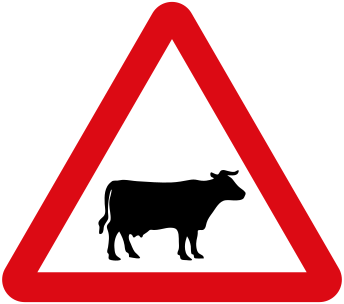
Animals
W-ANIMALS
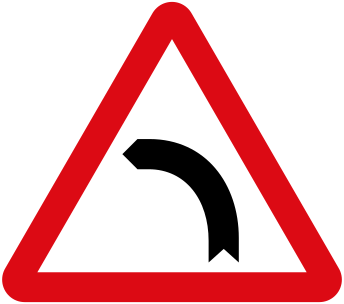
Bend to the left
W-BEND-L
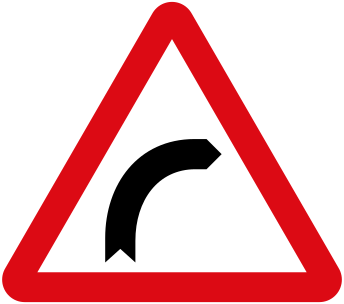
Bend to the right
W-BEND-R
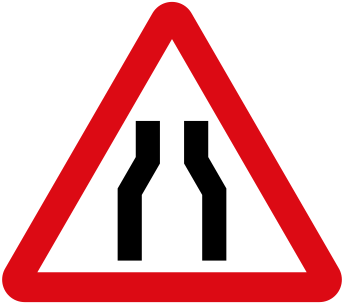
Carriageway narrows
W-NARROWS
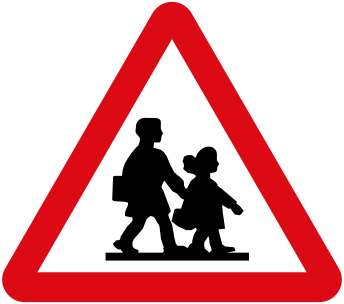
Children
W-CHILDREN
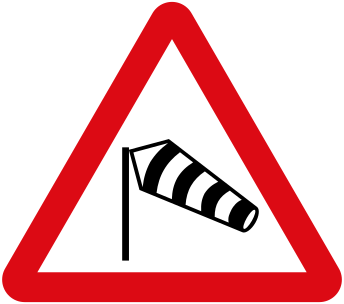
Cross wind
W-CROSSWIND
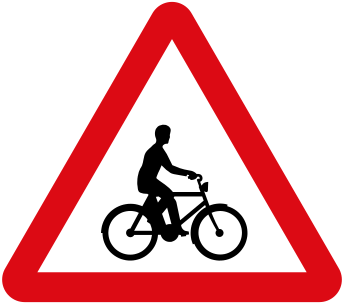
Cyclists
W-CYCLISTS
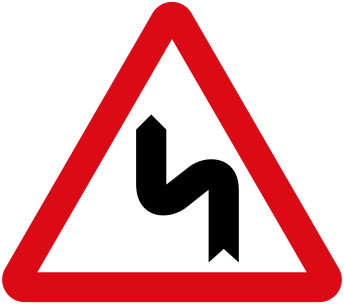
Double bend, first to the left
W-DBEND-L
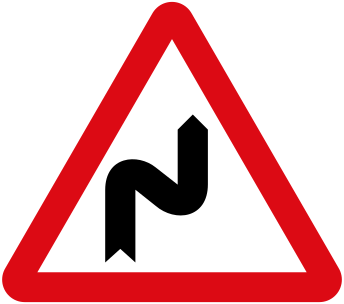
Double bend, first to the right
W-DBEND-R
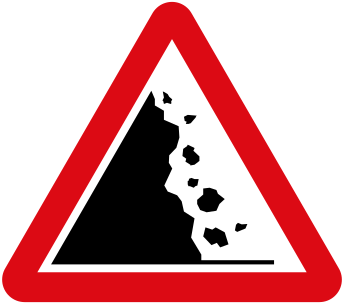
Falling rocks
W-ROCKS
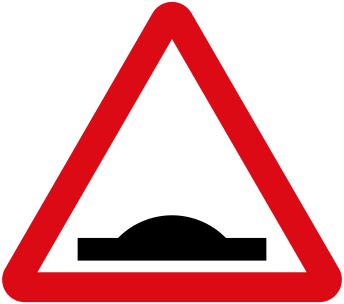
Hump or humpback bridge
W-HUMP
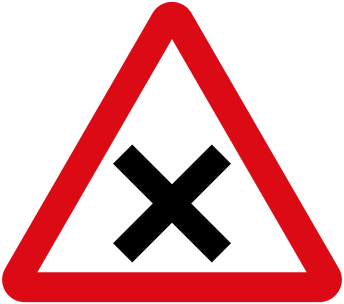
Intersection
W-INTER
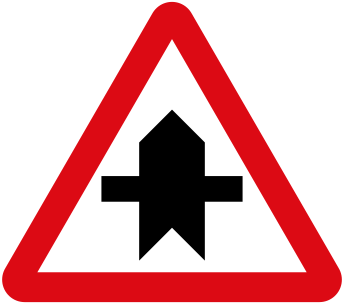
Intersection with a priority road
W-INTER-PRI
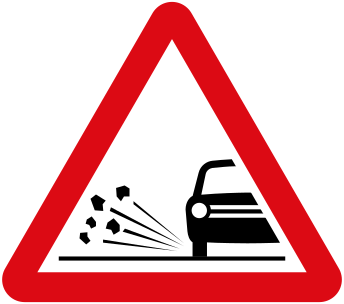
Loose gravel
W-GRAVEL
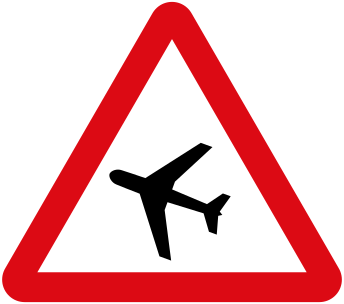
Low-flying aircraft / airfield
W-AIRCRAFT
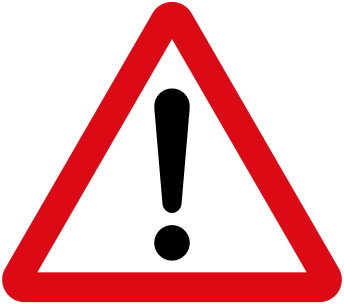
Other danger
W-DANGER
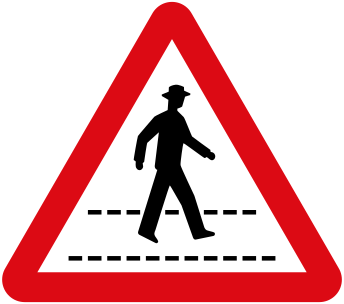
Pedestrian crossing ahead
W-PED
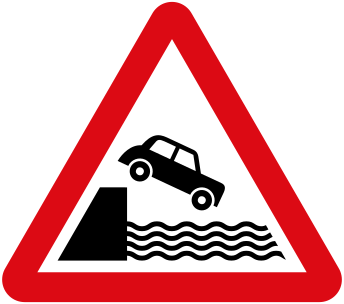
Road leads to quay or river bank
W-QUAY
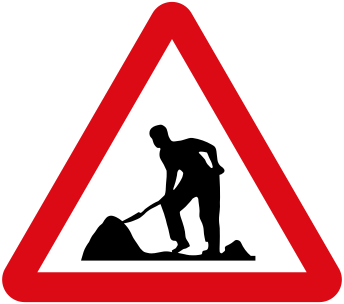
Road works
W-ROADWORKS
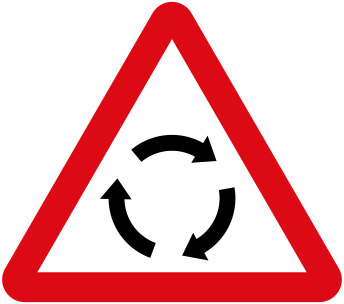
Roundabout ahead
W-ROUNDABOUT
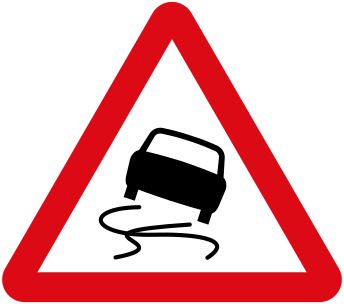
Slippery road
W-SLIPPERY
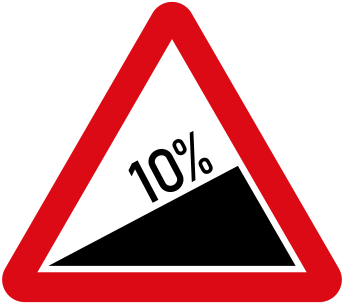
Steep ascent
W-ASCENT
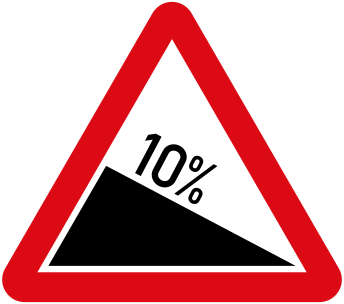
Steep descent
W-DESCENT
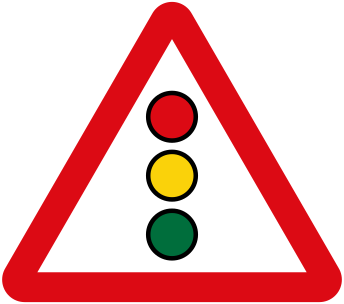
Traffic signals ahead
W-SIGNALS
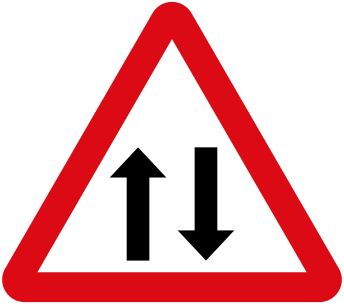
Two-way traffic
W-TWOWAY
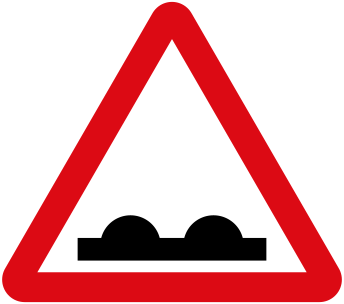
Uneven road
W-UNEVEN
Information Signs
Provide useful information about routes and services
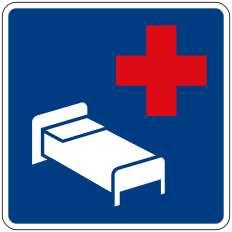
Hospital
I-HOSPITAL
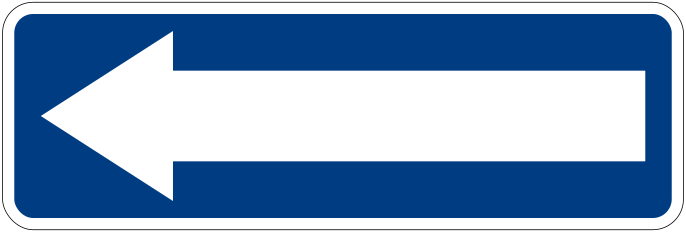
One-way traffic
I-ONEWAY
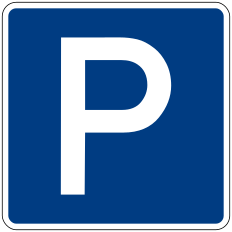
Parking permitted
I-PARKING
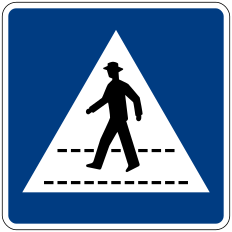
Pedestrian crossing
I-PED-CROSS
Mandatory Signs
Indicate actions that must be taken
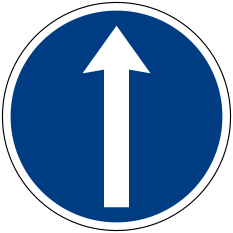
Ahead only
M-AHEAD
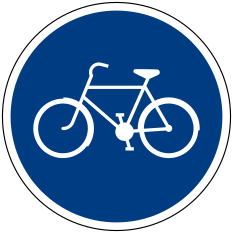
Compulsory cycle track
M-CYCLE
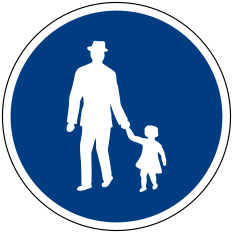
Compulsory footpath
M-FOOT
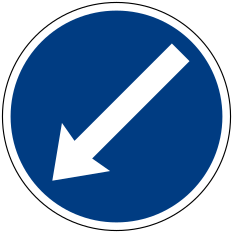
Keep left
M-KEEP-LEFT
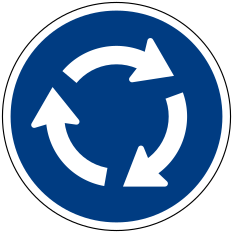
Mini-roundabout / compulsory roundabout
M-ROUNDABOUT
Priority Signs
Indicate right of way at junctions
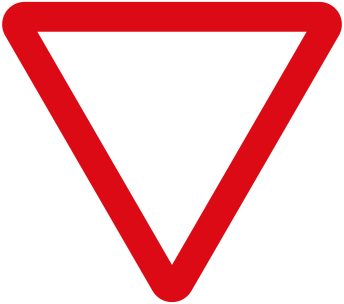
Give way
PR-GIVEWAY
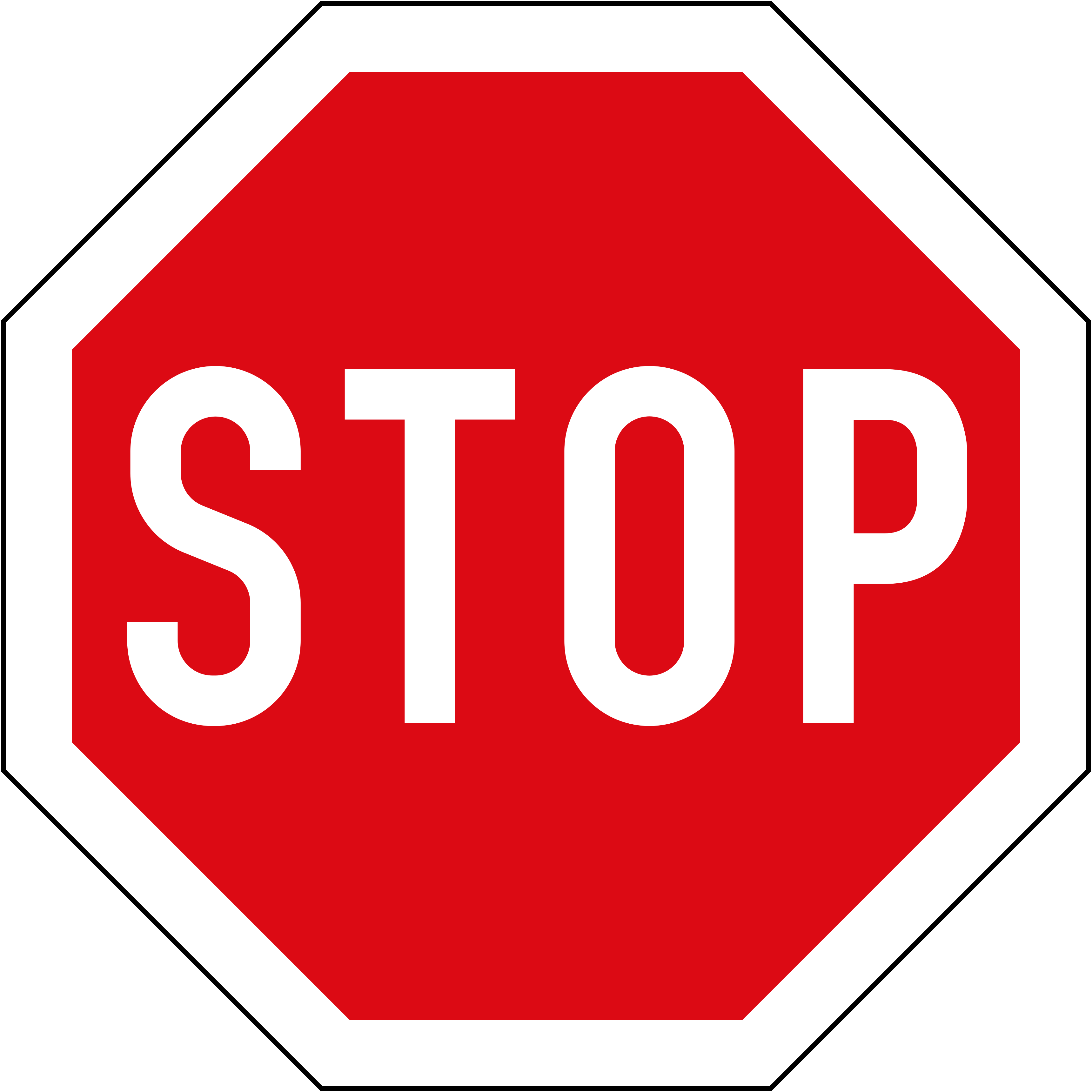
Stop
PR-STOP
Prohibitory Signs
Indicate actions that are not permitted
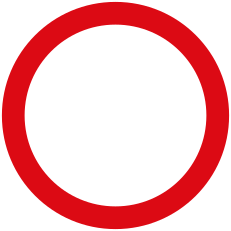
Closed to all vehicles both directions
P-CLOSED
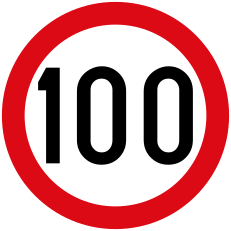
Maximum speed limit 100 km/h
speed_100
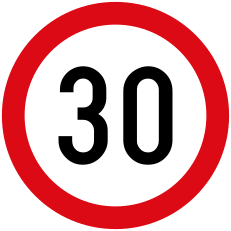
Maximum speed limit 30 km/h
speed_30
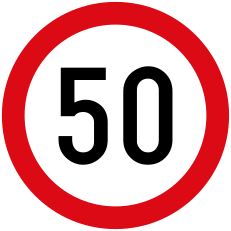
Maximum speed limit 50 km/h
speed_50
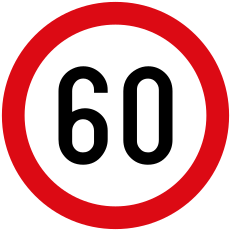
Maximum speed limit 60 km/h
speed_60
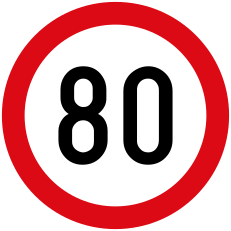
Maximum speed limit 80 km/h
speed_80
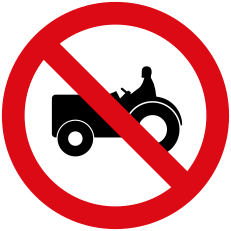
No agricultural vehicles
P-NO-AGRI
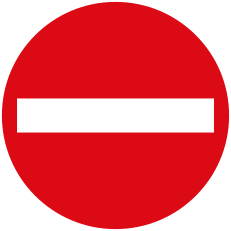
No entry
P-NOENTRY
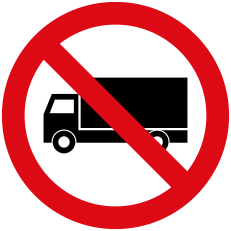
No goods vehicles
P-NO-GOODS
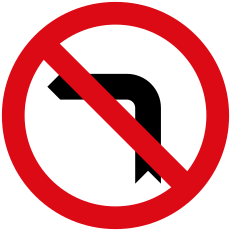
No left turn
P-NO-LEFT
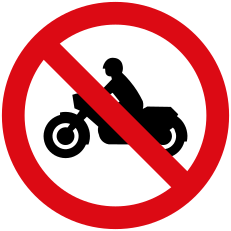
No motorcycles
P-NO-MC
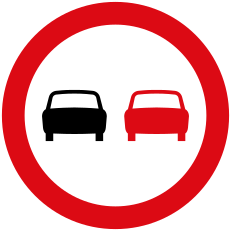
No overtaking
P-NO-OVERTAKE
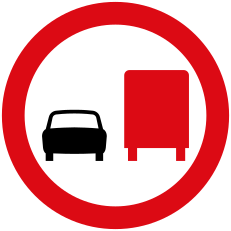
No overtaking by goods vehicles
P-NO-OVERTAKE-GOODS
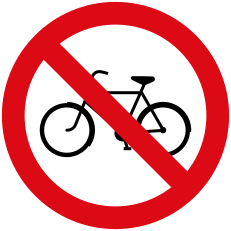
No pedal cycles
P-NO-CYCLE
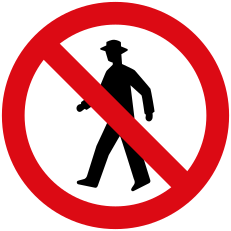
No pedestrians
P-NO-PED
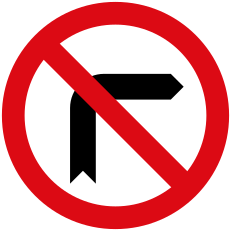
No right turn
P-NO-RIGHT
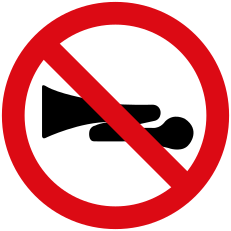
No use of audible warning devices
P-NO-HORN
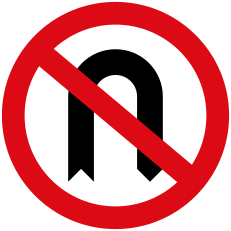
No U-turn
P-NO-UTURN
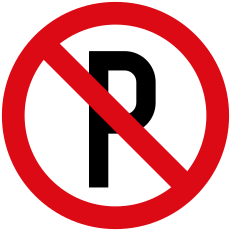
Parking prohibited
P-NO-PARK
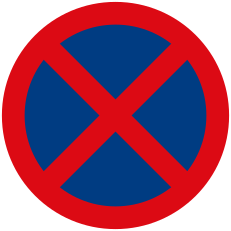
Stopping prohibited
P-NO-STOP
About Trinidad & Tobago road signs
Road signs are a core part of the Trinidad & Tobago driving theory test. Recognising each sign, its shape, colour and the symbol it carries, matters both for the Licensing Division, Ministry of Works & Transport (MOWT) exam and for driving safely on Trinidad & Tobago's roads. This page collects all 57 official signs across 5 categories. Browse a category below, tap any sign to read its meaning, then test your recall with the free Trinidad & Tobago theory practice test.
Trinidad & Tobago road sign categories
- Warning Signs (26)
- Warning signs alert you to hazards or changing conditions ahead on Trinidad & Tobago roads, such as bends, junctions, pedestrian crossings and slippery surfaces, giving you time to slow down and react safely. They are typically triangular with a red border and a black symbol on a white or yellow background.
- Information Signs (4)
- Information signs give you helpful guidance about routes, services and facilities across Trinidad & Tobago, such as parking, hospitals, one-way streets and destinations. They do not impose rules; they help you navigate and plan ahead.
- Mandatory Signs (5)
- Mandatory signs tell you what you must do on Trinidad & Tobago roads: the direction you must travel, a minimum speed, or a lane you must use. Ignoring them is a traffic offence.
- Priority Signs (2)
- Priority signs establish who has the right of way at Trinidad & Tobago junctions, narrow sections and crossings. They prevent conflicts by making clear which driver must give way.
- Prohibitory Signs (20)
- Prohibitory signs indicate actions that are not permitted on Trinidad & Tobago roads: no entry, no overtaking, no parking, or vehicle-specific restrictions. They set the legal limits you must respect.
Trinidad & Tobago road signs: FAQ
How many road signs are covered for the Trinidad & Tobago driving theory test?
This page lists 57 official Trinidad & Tobago road signs grouped into 5 categories: warning signs, information signs, mandatory signs, priority signs, prohibitory signs. Tap any sign to see its meaning and description.
What are the main types of Trinidad & Tobago road signs?
Warning signs alert you to hazards ahead, prohibitory signs set out what is not allowed, mandatory signs tell you what you must do, priority signs decide who gives way, and information signs help you navigate. Learning the shape-and-colour rules for each type makes them easy to recognise on the Licensing Division, Ministry of Works & Transport (MOWT) theory test.
How should I study Trinidad & Tobago road signs?
Browse each category to learn what its signs mean, focus on the symbol inside each sign (that is what the exam asks you to identify), then check your recall with the free Trinidad & Tobago theory practice test. Reviewing the signs you get wrong is the fastest way to improve.