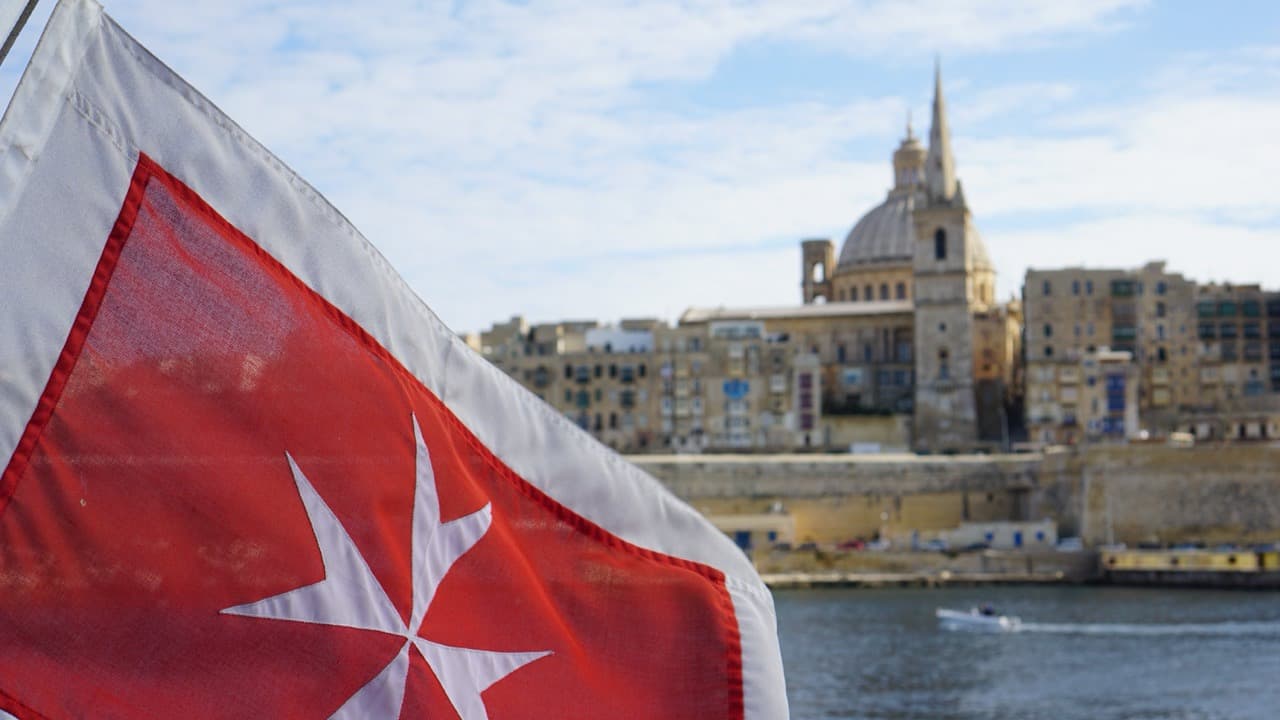
Driving in Malta: Essential Rules and Tips for New Drivers
A complete guide to driving in Malta — left-hand traffic rules, speed limits, alcohol limits for new and experienced drivers, parking fines, and essential tips for locals and tourists.
Key Takeaways
- Malta drives on the left, with right-hand-drive vehicles — one of only four EU countries to do so.
- Speed limits are 50 km/h in towns and 80 km/h on rural roads and dual carriageways — Malta has no true motorways (EU YourEurope).
- Malta recorded 18 road fatalities in 2025, a 38% increase from 13 in 2024 (NSO Malta).
- New and novice drivers face a stricter BAC limit of 0.02%, compared to 0.05% for experienced drivers.
- The minimum driving age is 18, but most car rental agencies require drivers to be 21–25.
How Does Driving Work in Malta?
Malta is one of only four countries in the European Union where traffic flows on the left side of the road. If you've driven in the UK, Cyprus, or Japan, you'll feel right at home. If you haven't, expect an adjustment period — especially at roundabouts and junctions where instinct might pull you the wrong way.
The minimum driving age is 18 for a standard Category B licence. Holders of valid EU driving licences can drive in Malta without any additional permits. Non-EU licence holders can drive for up to 12 months from their date of entry, though an International Driving Permit is recommended (Transport Malta).
Want to rent a car? Keep in mind that most agencies require drivers to be at least 21 years old, and some set the minimum at 25 for certain vehicle categories. You'll also need at least one year of driving experience.
What Are the Speed Limits in Malta?
Malta enforces strict speed limits across two main road types, and speed cameras are widespread across the island — especially on main arterial roads. According to the EU road rules database, the limits are:
- Built-up areas: 50 km/h
- Rural/open roads: 80 km/h
- Dual carriageways: 80 km/h (60 km/h for vans and HGVs)
Note: Malta has no true motorways. The fastest roads are dual carriageways capped at 80 km/h, so don't expect highway-style driving.
Exceeding the limit by more than 15 km/h carries a fine of at least €100, plus penalty points on your licence. Malta uses a 12-point system: accumulate 12 points within three years and Transport Malta can suspend or revoke your licence (Transport Malta, Penalty Points).
How strictly are limits enforced? Very. Fixed speed cameras operate 24/7 on several roads, and mobile radar checks happen regularly, especially on weekends.
What Are Malta's Drink-Driving Limits?
Malta applies a tiered blood alcohol concentration (BAC) system that treats new drivers more strictly. The legal limits are:
- Experienced drivers: 0.05% BAC (0.5 g/L)
- New/novice drivers (licence held less than 2 years): 0.02% BAC
- Commercial vehicle drivers: 0.02% BAC
- Taxi, bus, and minibus drivers: 0.00% BAC
Malta reformed its drink-driving laws significantly. The general limit was lowered from the old 0.08% to 0.05%, and in 2017, the novice limit was cut by 75%, aligning with stricter EU road safety standards (European Transport Safety Council). Getting caught driving under the influence results in fines starting from €1,200, plus an automatic court appearance for higher readings. Random roadside breath tests are common, particularly on weekend nights and during festive seasons.
In practice, if you're a new driver, even one glass of wine could put you over the 0.02% limit. The safest approach? Don't drink at all if you plan to drive.
How Do Roundabouts Work in Malta?
Roundabouts in Malta circulate clockwise — the opposite of continental Europe. This catches many visitors off guard. You must give way to traffic approaching from your right, which is already on the roundabout.
Apply the MSM routine every time: Mirror, Signal, Manoeuvre. Check your mirrors before entering, signal your intended exit, and position yourself in the correct lane. For left exits (first exit), stay in the left lane. For straight-on or right exits, use the right lane and move left as your exit approaches.
Malta has about 120 roundabouts across the islands, and they're the primary intersection type on major roads. During rush hours (7:30–9:00 and 16:00–18:00), larger roundabouts can get congested. Patience matters more than speed here.
What Are the Seatbelt and Child Safety Rules?
Seatbelts are compulsory for all occupants — front and rear seats. The driver is legally responsible for ensuring that all passengers under 14 years of age are properly restrained. Children shorter than 150 cm must use an appropriate child restraint system (car seat or booster).
Fines for seatbelt violations start at €25, but in practice, the real cost is safety. With over 15,000 reported road accidents in Malta during 2025 (NSO Malta, Q3 2025), buckling up isn't optional — it's essential.
Can You Use a Mobile Phone While Driving?
No. Using a hand-held mobile phone while driving is illegal in Malta. Only hands-free devices — Bluetooth earpieces, speaker systems, or dashboard mounts — are permitted. The fine for hand-held phone use is €200 (doubled from €100 in May 2023), and it adds 6–9 penalty points to your licence. In Q1 2025 alone, LESA issued 2,493 fines for mobile phone use while driving.
This applies even when stopped at traffic lights or in slow-moving traffic. If police see a phone in your hand, you're getting fined. Is a quick text worth €200 and points on your licence? Invest in a decent phone mount instead.
Where Can You Park in Malta (and Where Can't You)?
Parking is one of the biggest daily frustrations for drivers in Malta. The island is densely populated — about 1,600 people per square kilometre — and street parking fills up fast, especially in Valletta, Sliema, and St Julian's.
You cannot park:
- Within 6 metres of a junction or intersection
- On pedestrian crossings or within 6 metres before one
- At bus stops or within marked bus zones
- On dual carriageways
- On pavements (sidewalks) unless specifically marked
- In spaces reserved for disabled permit holders
Look for the parking line colours: white lines mean general public parking, yellow means no parking, blue means public during the day but residents-only at night, and green is residents-only 24 hours.
Parking violations start at €25, and illegally parked cars are ticketed quickly by Local Enforcement System Agency (LESA) wardens. In controlled parking zones, you'll need to pay at meters or via the CVA parking app. Fines increase by 50% if unpaid within 30 days (SeaAndStone).
What Must You Carry in Your Vehicle?
Malta requires all drivers to carry these documents and safety equipment at all times:
- Valid driving licence (plus IDP if your licence is non-EU)
- Vehicle registration document
- Proof of insurance
- Warning triangle — mandatory for breakdowns
- Reflective vest — must be worn if you exit the vehicle on a carriageway
While not legally required, carrying a first-aid kit and fire extinguisher is strongly recommended. If you're renting, check that the rental company provides the warning triangle and reflective vest — they're supposed to, but it doesn't hurt to verify before leaving the lot.
What Are the Road Conditions Like?
Malta's roads are generally paved but vary in quality. Main roads and recently resurfaced streets are in good condition, but secondary roads and village streets can have potholes, uneven surfaces, and narrow passages. After heavy rain (common between October and March), water pools on roads quickly because drainage is limited in many areas. Limestone surfaces become especially slippery when wet — take extra care.
Watch out for these common hazards:
- Narrow streets — Many village roads are barely wide enough for two cars. Someone has to reverse.
- Construction zones — Malta has been in a building boom. Construction vehicles, debris, and temporary diversions are frequent.
- Cats and pedestrians — Cats roam freely, and pedestrians often step into the road unexpectedly in town centres.
- Aggressive driving culture — Tailgating, sudden lane changes, and creative interpretation of traffic rules are common. Stay calm and predictable.
How Do You Drive to Gozo?
Getting to Gozo by car means taking the Gozo Channel ferry from Cirkewwa Terminal (northern Malta) to Mgarr Terminal (Gozo). The crossing takes about 25 minutes, and ferries run roughly every 45 minutes during the day, with reduced frequency at night.
A return ticket for a car with driver costs approximately €15.70. You pay on the return trip from Gozo — there's no charge on the outbound leg. No advance booking is needed for standard vehicles; just drive up and queue (Gozo Channel).
During peak periods — summer weekends, Easter, Carnival, and the Santa Marija festival in August — expect queues of 30–60 minutes. Arrive early or travel on weekday mornings to avoid the worst waits.
Where Are the Fuel Stations and What Are the Emergency Numbers?
Fuel stations are spread across the island, with the highest concentration around Valletta, Birkirkara, and the airport area. Fuel prices in Malta are government-regulated and uniform across all stations, making them among the cheapest in the EU. Most stations accept credit cards and offer both unleaded petrol and diesel. LPG is available at selected stations. Staffed hours are typically Monday to Friday 06:00–18:00 and Saturday 06:00–14:00. Outside these hours, self-service pumps with card payment are available at many stations.
Key emergency numbers to save in your phone:
- 112 — EU-wide emergency number (police, fire, ambulance)
- 196 — Ambulance
- 2132 0202 — Malta Police general line
- 179 — Roadside assistance
Tips for Tourists and Foreign Drivers
Driving in Malta as a tourist comes with a few surprises that guidebooks don't always mention. Here's what we've found matters most:
- GPS isn't always reliable — Street names in Malta exist in both Maltese and English, and some newer roads aren't fully mapped. Waze tends to perform better than Google Maps for real-time traffic.
- Road signs can be inconsistent — Some are faded, missing, or partially obscured by vegetation. When in doubt, follow the flow of traffic.
- Rush hours are brutal — The 7:30–9:00 morning commute and 16:00–18:00 evening rush create gridlock around Msida, Marsa, and the Valletta approach. Plan around them.
- Car rental insurance — Always take the full coverage option. Malta has one of the highest accident rates per capita in the EU, and even a minor scrape can cost hundreds without insurance.
- Driving in Valletta — Don't. The capital's streets are extremely narrow, parking is scarce and expensive, and a park-and-ride service operates from Floriana. Use it.
Related Guides
Explore more Malta driving resources:
- Complete Guide to the Malta Driving Theory Test 2026 — everything in one place
- Pass Rate & Statistics — why 53-66% of candidates fail
- Speed Limits, Fines & Penalty Points — essential rules and penalties
- Study Strategy — 3-week plan to pass first time
Frequently Asked Questions
Do I need an international driving permit to drive in Malta?
If you hold a valid EU driving licence, no. You can drive freely in Malta. Non-EU licence holders can drive for up to 12 months from their entry date, but an IDP is recommended and sometimes required by car rental companies (Transport Malta).
What side of the road does Malta drive on?
Malta drives on the left, with right-hand-drive vehicles. This is a legacy of British colonial rule and makes Malta one of four EU countries with left-hand traffic (alongside Cyprus, Ireland, and Sweden historically until 1967).
How much are traffic fines in Malta?
Common fines include: speeding over 15 km/h above the limit (€100+), running a red light (€200), using a mobile phone while driving (€200), parking violations (from €25), and drink-driving (from €1,200). Fines increase by 50% if unpaid within 30 days (gov.mt).
Can I take a rental car to Gozo?
Yes. Most Malta-based rental companies allow you to take the car on the Gozo Channel ferry at no extra charge. The ferry return fare for a car with driver is approximately €15.70, payable on the return crossing from Gozo (Gozo Channel).
Is Malta safe to drive in?
Malta is generally safe, but it has a higher accident rate than most EU countries — over 15,000 reported road incidents in 2025. Narrow roads, aggressive driving habits, and unfamiliar left-hand traffic contribute to this. Stay alert, drive defensively, and avoid rush hours when possible.
Related Guides
Continue learning with these related articles
Malta Speed Limits, Fines & Penalty Points System Explained
Malta has no motorways — max speed is 80 km/h. Guide covers speed limits, the 12-point penalty system, 0.05% BAC limit, mobile phone laws (6-9 points since May 2023), parking rules, and LESA enforcement.
Malta Learner Permit 2026: Age, Cost, Rules and How to Apply Online
Malta learner permit explained: minimum ages by category, the €23.25 fee, three-year validity, online application on licenzji-xufiera.gov.mt and L-plate rules.
How to Book the Malta Driving Theory Test 2026: Centre, Fees, What to Bring
Book the Malta driving theory test at the Pieta Theory Test Centre: phone numbers, online booking, the €30.25 fee, what to bring, and the 35-question format.
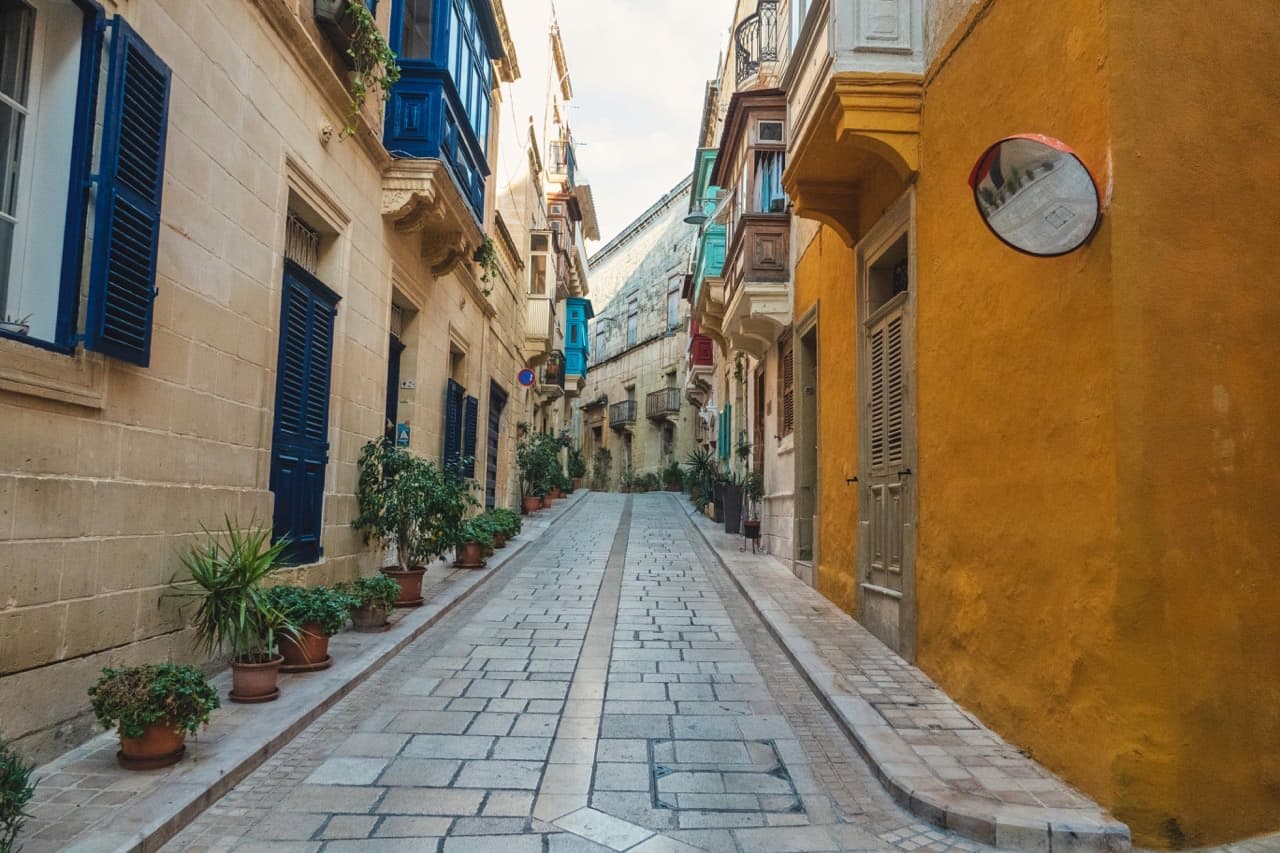
International Driving Permit in Malta 2026: Who Needs One, How to Get It, Foreign Licences
Who can drive in Malta on a foreign licence and for how long, when an IDP is needed, and how Maltese drivers get an IDP from Transport Malta (EUR 33.25, valid one year).
Ready to test your knowledge?
Put what you've learned into practice with our free driving theory practice tests.
Start Practicing