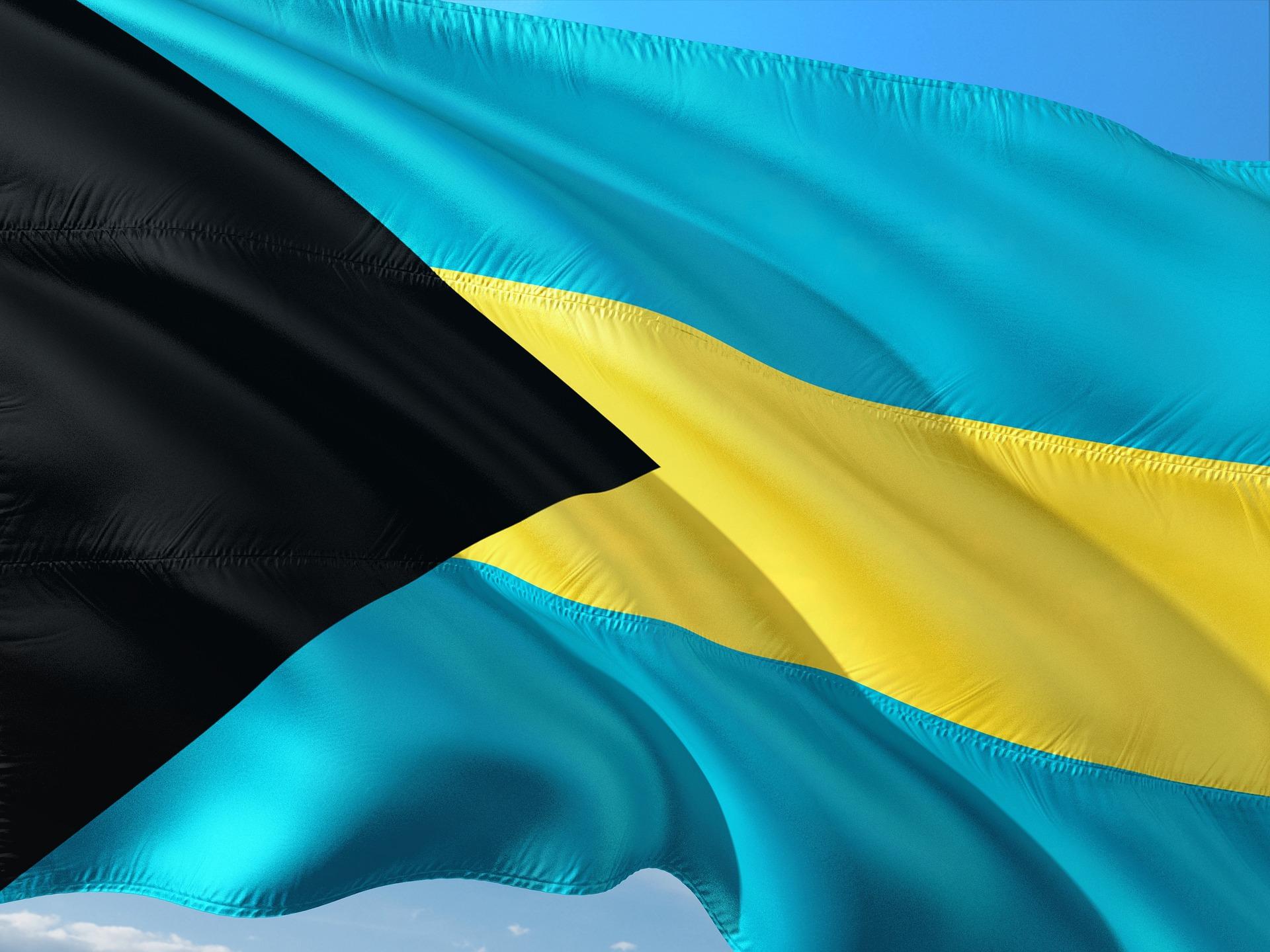
Bahamas Driving Theory Test 2026: 40 Questions, 32 to Pass
The Bahamas RTD theory test has 40 questions in 40 minutes and needs 32 correct (80%). Age 17+. Format, fee, documents, retakes and how to prepare.
The Bahamas Driving Theory Test: 40 Questions, 40 Minutes, 32 to Pass
The Bahamas driving theory test is the first phase of getting a Bahamian driver's licence. It is run by the Road Traffic Department (RTD) and has 40 questions with a 40-minute limit, and you must answer at least 32 correctly (80%) to pass. You must be 17 or older to sit it, and you need a pass before you can get a learner's permit and, later, take the practical road test. The questions test your knowledge of the Highway Code, along with your ethics and conduct under the Road Traffic Act. This guide explains the format, what to bring, how results and retakes work, and how to prepare with our free Bahamas theory test practice. ExamReady is an independent study site and is not affiliated with the Road Traffic Department or the Government of The Bahamas.
Key takeaways
- Format: 40 questions, 40 minutes, at least 32 correct (80%) to pass, according to the RTD theory examination page.
- Order: theory test first, then the learner's permit, then the practical test, then the full licence.
- Age: 17 or older to apply for the theory test or a learner's permit.
- Fee: the RTD lists a BS$15 seat fee, paid before the exam. A 2022 press report says theory retakes cost $25 from 1 January 2023, so check the current fee with the RTD.
- Syllabus: the Highway Code for The Bahamas, plus the rules of the Road Traffic Act. Results are given immediately.
What is the Bahamas theory test?
The theory test is a knowledge exam that every new driver passes before learning on the road. The RTD describes it as "the first phase of the driver's licence test", where applicants are tested on "the Road Traffic Highway Code, along with their ethics and conduct, as it relates to the rules and regulations of the Road Traffic Act."
The law sets the same standard. The Motor Vehicles (Driving Licences) Regulations 2000 require learners to be "fully conversant with the Highway Code Booklet" of The Bahamas, so the booklet is your core study material. Our Bahamas Highway Code guide summarises what is inside it.
Note the order. The Highway Code's own "Obtaining a Licence and Taking the Test" section (printed page 83) lists the provisional licence before the knowledge test. The RTD's learner's permit page reverses this: you must pass the theory test before a permit is issued. Follow the RTD order.
How many questions are on the Bahamas driving test, and what is the pass mark?
The RTD theory page states the format in full: "The exams consist of 40 questions. There is a 40 minute duration. Participants must correctly answer a minimum of 32 questions (80%) to successfully pass the exam."
| Item | Official figure |
|---|---|
| Number of questions | 40 |
| Time limit | 40 minutes |
| Pass mark | 32 correct (80%) |
| Minimum age | 17 |
| Results | Issued immediately after the test |
| Language | Not stated (non-Bahamians must be able to read English) |
Some third-party sites quote a different question count or pass mark; ignore them. With 40 minutes for 40 questions, you have about a minute per question.
The RTD does not publish its question bank. It also does not say whether the exam is held on any Family Island, so contact your local RTD office before you travel. There are no exam forms to fill in. The RTD calls the exam "a completely automated process", while the 2009 Highway Code calls it a "written 'knowledge' test".
What topics does the theory test cover?
The RTD names three areas: the Highway Code, ethics and conduct, and the rules of the Road Traffic Act. These Highway Code sections are most worth knowing well (printed page numbers):
- Basic Rules and Advice for Drivers and Riders (p.11): before you set off, speed, signs and signals, pedestrians, motorcyclists and cyclists, overtaking, junctions, roundabouts, night driving, reversing and parking.
- Carrying Children (p.37) and the sections for jitney, truck and public service vehicle drivers, motorcyclists and cyclists (pp.39-49).
- Traffic Signs and Road Markings (p.54): warning, regulatory and information signs, road markings and traffic lights. Learn them in our Bahamas road signs library and the Bahamas road signs guide.
- Driving and the Law (p.65) and Alcohol and your driving (p.67).
- Breakdowns (p.77), If there is a crash (p.78) and Some Important Do's and Don'ts of Driving (p.86).
The booklet also has a Summary of Penalties (p.71), but its table is dated January 2004, so do not learn the fine amounts in it as current law.
Core rules to know before the exam
These rules come straight from the Highway Code and are the kind of thing a knowledge test checks. Our Bahamas road rules and speed limits guide covers them in more depth.
- Drive on the left. "You MUST drive on the left side of the road" (p.13). Overtake on the right (p.27).
- Speed limits are in mph. The Highway Code gives 25 mph within the Nassau city limit and Family Island settlements, 30 mph outside the city limits and where no limit is posted, and normally 45 mph outside Family Island settlements, or as posted (p.19).
- Roundabouts: give way to traffic already on the roundabout, and always give way to traffic from the right (pp.31-33).
- STOP signs: you must stop every time. At a GIVE WAY sign, give way to traffic on the other road (pp.28-29).
- Traffic lights run GREEN, AMBER, RED. Amber means stop unless you are too close to stop safely (p.61).
- Zebra crossings: you must stop once a pedestrian has stepped onto the crossing (p.23).
- Turning right: signal, move to just right of the centre line, wait for a safe gap in oncoming traffic, and give way to anyone crossing the road you are turning into (p.29).
What happens on the day of the theory test?
According to the RTD theory page, exams are scheduled to start at 9am, seating is limited, and candidates are taken on a first come, first served basis, so arrive early. Pay the seat fee before you sit the exam.
Bring:
- All applicants: a national identification document (such as a passport or voter's card) and your NIB Smart Card.
- Non-Bahamians: your passport and a permit to reside (work permit, residency, spousal permit or permanent residence).
The RTD says non-Bahamians "must be able to read the English Language". It does not say the test is offered in any other language. The RTD's own pages give different office locations, so confirm where to go by email ([email protected]) or by phone before your visit. See also our Road Traffic Department guide.
How much does the Bahamas theory test cost?
The RTD lists a BS$15 seat fee, paid before you sit the exam. Its theory page says this fee "covers the cost of the theory examination and the practical examination", and that a failed theory exam can be retaken a second time at no cost.
That page predates the January 2023 fee changes. The Tribune reported in December 2022 that from 1 January 2023 "the retaking of a theory test will now be $25", so confirm the current seat and retake fees before you pay. Full licence costs are in our guide to getting a driver's licence in The Bahamas.
What if I fail the Bahamas theory test?
Results are issued immediately, and the RTD says a failed theory exam "can be retaken the following day". Use the gap to revise the Highway Code sections you found hard.
The RTD page says the fee for a second attempt is waived. Because of the 2023 retake fee reported in the press, confirm this with the RTD rather than relying on it.
What comes after the theory test?
A pass makes you eligible for a learner's permit. The RTD theory page says this happens within 2 working days, and its learner's permit page says the permit can be issued the same day once your documents and fee are in order.
The learner's permit
- The permit is valid for 6 months, and the RTD lists the fee as BS$15. It can be renewed.
- "L" plates (red letters on white) must be shown on the front and back of the vehicle.
- A supervising driver must sit beside you. They must hold a full licence for the same class of vehicle and have held it for at least 2 years.
- Non-Bahamians are interviewed before receiving any driving credentials, and the interview includes a test of Highway Code knowledge.
- The Road Traffic Act says the Controller shall grant a provisional licence to an applicant "who has not previously held more than six provisional driver's licences".
Step-by-step details are in our learner's permit guide.
The practical road test
The practical test is the second phase. You need a theory pass and a valid learner's permit. You supply your own vehicle, which is inspected for roadworthiness before the test, with a red "L" on white on the front windshield and rear glass. According to the RTD practical examination page, practical exam appointments are Monday to Friday from 9am to 3pm (except lunch, 1pm to 2pm) and are given on a first come basis, so you get the next available appointment. If the Chief Examiner decides the weather is unsafe, the test is postponed at no cost, but you must still be present.
The Highway Code lists the skills an examiner can ask for: reading a number plate at 25 yards in good daylight, starting the engine, moving off, overtaking or meeting other vehicles, turning corners, an emergency stop, reversing into a limited opening, turning the vehicle round using forward and reverse gears, and giving signals (printed p.84).
If you fail, the RTD page says you must wait 30 days before trying again. If you pass, you collect your licence 2 working days later. RTD pages say a first licence is issued for one year.
How should I study for the Bahamas theory test?
Learn the Highway Code first, then test yourself under exam conditions. A simple plan:
- Download the Highway Code from the RTD website and read "Basic Rules and Advice for Drivers and Riders" (from p.11) end to end.
- Learn the signs by group in the Bahamas sign library: warning, prohibitory, mandatory, priority, information, roadworks signs and road markings.
- Practise in short rounds with the free Bahamas practice test, and re-read the rule behind every question you miss.
- Take full mock exams of 40 questions in 40 minutes until you score well above 32 every time.
You will not be alone. In June 2025 the then Transport Minister said the RTD had issued over 15,700 learner permits in the previous two years, more than 80% of them to young Bahamian high school and college students (ZNS). Moving to The Bahamas with a foreign licence? Read driving in The Bahamas as a visitor or expat. Everything for the country is on our Bahamas hub.
Official sources
- RTD - Driving Test: Theory Examination (format, fee, documents, retakes)
- RTD - Obtaining a Learner's Permit (age, validity, L plates, supervisor)
- RTD - Driving Test: Practical Examination (vehicle, hours, 30-day wait)
- RTD - Highway Code for The Bahamas (PDF booklet)
- The Tribune, 16 December 2022 (theory retake fee from 2023)
Frequently Asked Questions
How many questions are on the Bahamas driving theory test?
40 questions, with a 40-minute time limit, according to the Road Traffic Department.
What is the pass mark for the Bahamas theory test?
You must answer at least 32 of the 40 questions correctly, which is 80%.
Do I need a learner's permit before the theory test?
No. The RTD requires a theory pass before it issues a learner's permit, so the theory test comes first.
Can I retake the Bahamas theory test if I fail?
Yes. The RTD says you can retake it the following day. Its page says the second attempt is free, but a 2022 press report put the theory retake fee at $25 from January 2023, so confirm the cost with the RTD.
Is the theory test available in languages other than English?
The RTD does not say so. Its only statement on language is that non-Bahamians must be able to read English.
Related Guides
Continue learning with these related articles
Bahamas Highway Code: What's Inside and What the Theory Test Asks
A guide to the RTD Highway Code for The Bahamas: where to download it, a section-by-section summary, the key rules for the theory test and which parts are dated.
Bahamas Road Rules: Speed Limits, Roundabouts and Drink-Driving
The Bahamas Highway Code sets 25 mph in Nassau and settlements, 30 mph outside city limits and normally 45 mph outside Family Island settlements. Roundabouts, alcohol, seat belts and fines.
Road Traffic Department Bahamas (RTD): Services, Tests and Hours
What the Bahamas Road Traffic Department does: theory and practical tests, learner's permits, licence renewal and transfer, vehicle registration, office hours and contacts.
Bahamas Road Signs Explained: Highway Code Signs and Markings
Bahamas road signs mix UK and US designs. Learn the warning, prohibitory, mandatory and information signs, road markings and traffic lights from the RTD Highway Code.
Ready to test your knowledge?
Put what you've learned into practice with our free driving theory practice tests.
Start Practicing