Pass your Bahamas RTD theory test first time
Free practice for the Road Traffic Department theory exam (40 questions, 32 to pass), every road sign from the Bahamas Highway Code explained, and step-by-step guides to the learner's permit, the licence and driving on the islands.
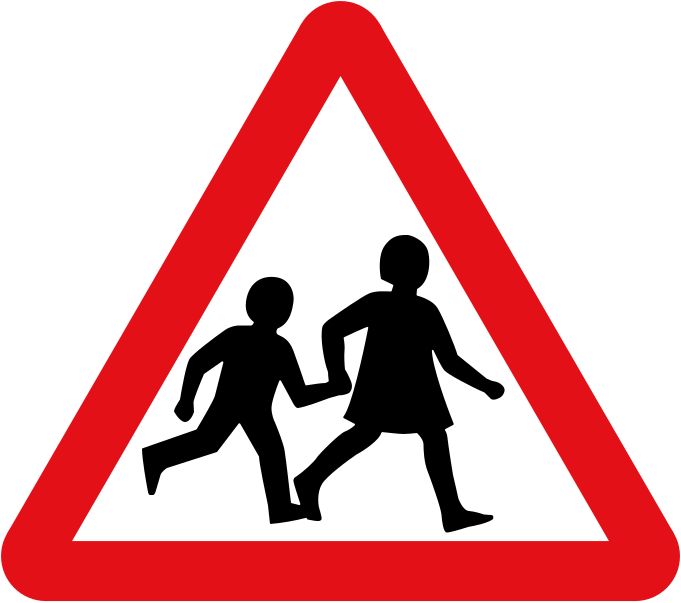
What does this sign mean?
Everything you need to pass
Our platform is designed to help you prepare efficiently and effectively for your driving theory test.
Real Exam Questions
Practice with questions that match the actual Road Traffic Department written test format and difficulty.
Timed Mock Exams
Simulate real exam conditions with 40-minute timed tests and instant results.
Learn All Road Signs
Browse and study all official road signs with detailed explanations.
Track Your Progress
Monitor your improvement with detailed stats, accuracy charts, and leaderboards.
How it works
Get started in minutes and track your progress to exam day.
Take a practice test
Start with a free 20-question practice quiz to assess your current knowledge.
Learn from mistakes
Review explanations for each question and focus on areas where you need improvement.
Pass with confidence
Use our exam simulator to practice under real test conditions until you're ready.
Is there a free Bahamas theory test practice app?
Yes. ExamReady is a free Bahamas theory test practice site that works in any phone or desktop browser, with nothing to download. It has 269 practice questions for the Bahamas test and 112 Bahamas road signs with their meanings.
- No account: 3 free practice tests.
- Free account: 5 practice tests a day of up to 20 questions, plus 1 timed exam simulator a day and the full road sign library.
- Pass Pack ($7, one-time): unlimited tests, 50-question quizzes, a written explanation for every question and practice on the questions you miss. No subscription.
Bahamas driving guides
Expert guides on the Bahamas theory test, road signs, licence costs, and rules of the road.
Bahamas Road Rules: Speed Limits, Roundabouts and Drink-Driving
The Bahamas Highway Code sets 25 mph in Nassau and settlements, 30 mph outside city limits and normally 45 mph outside Family Island settlements. Roundabouts, alcohol, seat belts and fines.
9 min readBahamas Highway Code: What's Inside and What the Theory Test Asks
A guide to the RTD Highway Code for The Bahamas: where to download it, a section-by-section summary, the key rules for the theory test and which parts are dated.
8 min readRoad Traffic Department Bahamas (RTD): Services, Tests and Hours
What the Bahamas Road Traffic Department does: theory and practical tests, learner's permits, licence renewal and transfer, vehicle registration, office hours and contacts.
9 min readBahamas Road Signs Explained: Highway Code Signs and Markings
Bahamas road signs mix UK and US designs. Learn the warning, prohibitory, mandatory and information signs, road markings and traffic lights from the RTD Highway Code.
9 min readHow to Get a Driver's License in the Bahamas: RTD Steps and Costs
The four RTD steps to a Bahamas driver's license: 40-question theory exam (32 to pass), learner's permit, practical test and first licence, with sourced fees.
8 min readHow to Get a Learner's Permit in the Bahamas: Steps, Fee, Rules
Pass the RTD theory exam, then apply in person: who qualifies (17+), documents, the BS$15 fee the RTD lists, six-month validity and renewal, L plates and supervisor rules.
8 min readThe Bahamas Theory Test Pass Pack
Everything you need to pass, in one place, for a one-time payment of just $7. No subscription, no recurring fees.
- 40 questions per exam, just like the real test
- 80% pass mark requirement (32+ correct)
- Unlimited practice attempts with your Pass Pack
- Detailed explanations for every question
- Randomized answer order to boost learning
- Track your most missed questions
- Compete on the leaderboard
One-time payment. Access forever.
- Unlimited daily attempts
- 50-question extended quizzes
- Full stats & analytics
- Leaderboard access
- Missed questions practice
- Detailed explanations
- Randomized answer order
Frequently asked questions
Everything you need to know about the Bahamas driving theory test.
What is the Bahamas driving theory test, and who runs it?
The theory exam is the first phase of the driver's licence test and is run by the Road Traffic Department (RTD). It tests your knowledge of the Road Traffic Highway Code, along with your ethics and conduct under the rules and regulations of the Road Traffic Act. You must pass it before you can get a learner's permit, and the Driving Licences Regulations require a learner to be fully conversant with the Highway Code Booklet of The Bahamas.
How many questions are on the Bahamas theory test, and what is the pass mark?
The RTD says the exam has 40 questions with a 40-minute time limit, and you must answer at least 32 correctly (80%) to pass. Results are issued immediately after you take the test. Some unofficial websites quote a different pass mark, but the RTD's own figure is 32 out of 40.
How much does the Bahamas driving test cost?
The RTD lists a BS$15 seat fee, paid before you sit the theory exam, and its page says this fee covers both the theory and the practical examination. The RTD's fee pages predate the January 2023 fee changes, and The Tribune reported that from 1 January 2023 retaking a theory test costs $25. Check the current fee with the RTD before you go.
How old do you have to be to take the Bahamas theory test?
You must be 17 or older to sit the theory test and to get a learner's permit, and the theory test comes first. The Road Traffic Act also sets 17 as the minimum age for a driver's licence. The one exception is an excepted vehicle (a motorcycle with pedals and an engine of 50cc or less), which may be driven from age 15.
What do I need to bring to the Bahamas theory exam?
Bring a national ID (such as a passport or voter's card), your NIB Smart Card and, if it applies to you, your immigration status document. Non-Bahamians need a passport plus a permit to reside, such as a work permit, residency permit, spousal permit or permanent residence. Seating is limited and works on a first come, first served basis, and the RTD says non-Bahamians must be able to read English.
Can I retake the Bahamas theory test if I fail?
Yes. The RTD says you can retake the theory exam the following day, and you get your result straight after each attempt. The RTD page says the fee is lifted for your second attempt, but The Tribune reported a $25 theory retake fee from 1 January 2023, so confirm with the RTD before you go.
How does the learner's permit work in the Bahamas?
Once you pass the theory exam, the RTD says you become eligible for your learner's permit within 2 working days. The permit is valid for six months. The RTD lists a BS$15 fee and a BS$15 renewal every six months. MyGateway also offers learner's permit renewal online, for citizens and legal residents aged 18 or over. Under the Road Traffic Act, the Controller grants a provisional licence to an applicant who has not previously held more than six provisional licences.
Who can supervise a learner driver in the Bahamas?
You must be supervised by someone in the vehicle with you who has held a full licence for the same class of vehicle for at least two years, and the Road Traffic Act says that licence holder must be seated beside you. Your vehicle must display L plates, red letters on a white background, on the front and the back. A learner riding a motorcycle without a sidecar may not carry a passenger unless that passenger has held a full motorcycle licence for at least two years or has passed the driving test. Breaking the learner conditions can bring a penalty of up to $100.
What happens at the Bahamas practical driving test?
The practical test is the second phase. To take it you need a theory pass and a valid learner's permit, and you must provide a vehicle for the test, which is inspected for roadworthiness before the test begins. The Highway Code lists the requirements you may be asked to meet, depending on the vehicle group: read a number plate at 25 yards, start the engine, move off, deal with other traffic, turn corners, stop in an emergency, reverse into a limited opening, turn round using forward and reverse gears, and give signals. If you pass, the RTD says you collect your licence 2 working days later. If you fail, the RTD says you wait 30 days before testing again.
How much is a driver's licence in the Bahamas, and how long is it valid?
Under the Road Traffic Act, a driver's licence is granted for 1 or 3 years and expires on the last day of your birth month. MyGateway lists licence renewal at $25 for 1 year and $75 for 3 years. RTD pages say a first licence is issued for one year. The RTD FAQ also lists a 5-year licence, and The Tribune reported in December 2022 that its fee was expected to rise to $125. MyGateway offers only the 1-year and 3-year options online.
Can I drive in the Bahamas on a foreign licence?
Under the Road Traffic Act, a bona fide visitor aged 17 or over who is in The Bahamas for no more than three months and is not employed there may drive on a licence from outside The Bahamas or a valid international driving licence. The RTD recommends a Driver's Licence Transfer for people who hold a licence from another country. This involves an interview with the Chief Driving Examiner that includes an oral test on the Highway Code, and non-Bahamians must also show a permit to reside. Driving without a valid licence carries a fine of $200 to $800.
What are the key road rules and speed limits for the Bahamas test?
The Bahamas drives on the left, and you overtake on the right. The Highway Code gives 25 mph within the Nassau city limit and in Family Island settlements, 30 mph outside the city limits, and normally 45 mph outside Family Island settlements or as posted. Watch for signs that set local limits. Where no speed limit regulations have been made for a road, the Road Traffic Act default is 30 mph. At roundabouts, give way to traffic already on the roundabout and always give way to traffic from the right.
Ready to ace your driving test?
Join thousands of successful drivers who passed their theory test using ExamReady. Start practicing now.