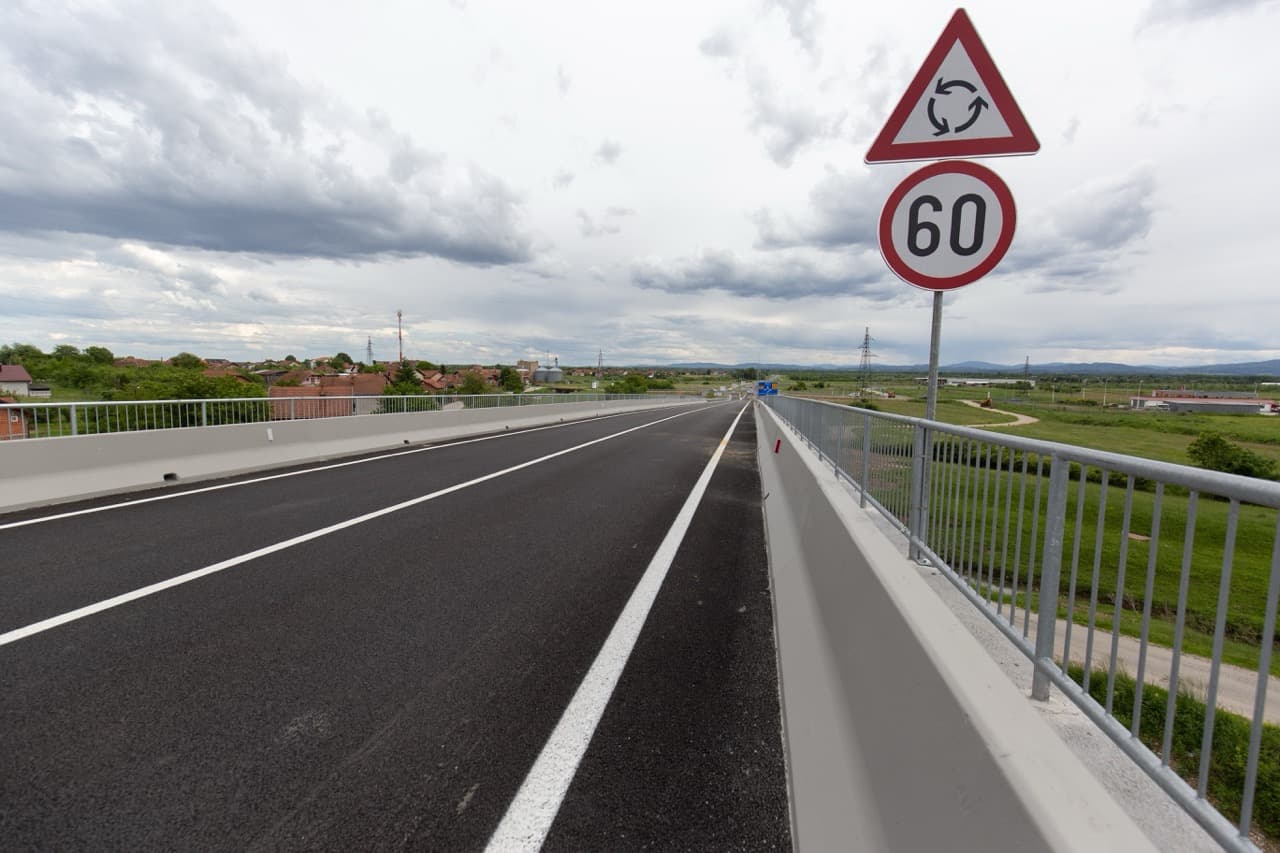
Understanding Roundabouts in Left-Hand Traffic Countries
Master roundabout rules in left-hand traffic countries. Clockwise flow, lane positioning for each exit, give-way rules, and multi-lane roundabout strategies with accident reduction statistics.
Key Takeaways
- In left-hand-traffic countries (UK, Cyprus, Malta, Cayman Islands), roundabouts flow clockwise. You enter from the left and give way to traffic from your right.
- Roundabouts reduce fatal crashes by up to 90% compared to traditional signal-controlled intersections (IIHS).
- The four most common roundabout crash types: rear-end, entering-circulating collisions, single-vehicle into the island, and vulnerable road user hits.
- Roundabout errors are the number one cause of intersection accidents in many left-hand-traffic countries, including the Cayman Islands.
How Do Roundabouts Work in Left-Hand Traffic?
In countries that drive on the left — the UK, Ireland, Cyprus, Malta, Cayman Islands, Japan, Australia, and others — roundabouts flow in a clockwise direction. This is the opposite of roundabouts in right-hand-traffic countries like France, Germany, or the United States, where traffic flows counter-clockwise.
The fundamental rule is simple: give way to traffic from your right. Vehicles already on the roundabout have priority over vehicles entering. This means you approach from the left, check right for oncoming traffic, and enter only when there's a safe gap.
Why do left-hand-traffic roundabouts feel confusing for some drivers? Because the give-way direction seems "backwards" if you're from a right-hand country, and the clockwise flow means your exit directions are mirrored from what you might expect.
How Should You Position Your Vehicle?
Lane positioning is the key skill for roundabouts. Get this right and roundabouts become predictable. Get it wrong and you create danger for yourself and everyone around you.
Taking the First Exit (Turning Left)
- Approach in the left lane
- Signal left on approach
- Stay in the left lane throughout the roundabout
- Exit directly — no lane changes needed
Going Straight Ahead
- Approach in either lane (follow road markings if present)
- No signal on approach (you're not turning)
- Stay in your chosen lane through the roundabout
- Signal left as you pass the exit before yours
- Check your left mirror before exiting
Taking a Later Exit (Turning Right) or U-Turn
- Approach in the right lane
- Signal right on approach
- Stay in the right lane around the roundabout
- Signal left as you pass the exit before yours
- Check your left mirror and move to the left lane to exit
What Is the MSM Routine?
Every roundabout approach should follow the MSM routine: Mirror, Signal, Manoeuvre.
- Mirror: Check your interior mirror and the relevant wing mirror well before the roundabout. Know what's behind and beside you.
- Signal: Indicate your intention. Left signal for left exits, right signal for right exits, no signal for straight ahead (until you're about to exit).
- Manoeuvre: Position your vehicle in the correct lane, adjust speed, and enter when safe.
The MSM routine should begin about 100-150 metres before the roundabout — not at the entry point. Late positioning forces dangerous last-second lane changes that are a leading cause of roundabout collisions.
Why Are Roundabouts Safer Than Traffic Lights?
Research consistently shows that roundabouts are dramatically safer than traditional intersections:
- 90% reduction in fatal crashes (Insurance Institute for Highway Safety)
- 75% reduction in injury crashes
- 35% reduction in total crashes
Why? Three reasons. First, roundabouts eliminate right-angle (T-bone) collisions, which are the deadliest intersection crash type. Second, speeds are naturally lower — you can't blast through a roundabout at 60 km/h. Third, all traffic flows in the same direction, so even when collisions happen, they're typically low-speed sideswipes rather than head-on impacts.
What Are the Most Common Roundabout Mistakes?
- Failing to give way — Entering without checking for traffic from the right. This causes entering-circulating collisions, one of the four dominant roundabout crash types.
- Wrong lane positioning — Being in the left lane when intending to turn right (or vice versa). This forces dangerous lane changes on the roundabout itself.
- Not signalling on exit — Other drivers and pedestrians rely on your exit signal to judge whether to enter or cross. Missing this signal creates unpredictability.
- Stopping on the roundabout — Once you're on the roundabout, you have priority. Stopping unexpectedly causes rear-end collisions.
- Cutting across lanes on exit — Moving from the right lane directly to a left-side exit without checking mirrors or signalling.
How Do Multi-Lane Roundabouts Work?
Multi-lane roundabouts (two or more lanes) follow the same give-way rules but require more precise lane discipline. The key principles:
- Follow the road markings — Multi-lane roundabouts usually have painted lane guidance. Follow them literally.
- Choose your lane before entering — Do not change lanes on the roundabout unless absolutely necessary.
- Right lane = right exits — If you're taking an exit past the 12 o'clock position, use the right (inner) lane.
- Left lane = left exits and straight — For the first exit or going straight, the left (outer) lane is correct.
- Spiral roundabouts — Some modern roundabouts use spiral lane markings that naturally guide you to the correct exit lane. Follow the painted lines and you can't go wrong.
Multi-lane roundabouts account for a disproportionate share of roundabout accidents because drivers change lanes mid-roundabout or choose the wrong entry lane. The fix is simple: plan your lane before you reach the roundabout, not after you're on it.
Tips for Roundabout Confidence
- Practice on quiet roundabouts first — Find a low-traffic roundabout and drive around it multiple times, taking each exit in turn
- Watch other drivers — As a passenger, observe how experienced drivers position, signal, and time their entry
- Don't hesitate at the entry — Hesitation causes rear-end collisions. When you see a gap, go. If you're unsure, wait for a clearly safe gap.
- Use the "12 o'clock" rule — If your exit is before 12 o'clock (left), use the left lane. If your exit is after 12 o'clock (right), use the right lane.
- Check mirrors before every lane change — On multi-lane roundabouts, always check the relevant wing mirror before moving across lanes
Special Types of Roundabouts
Not all roundabouts are the same. Understanding the variations helps you navigate them correctly:
Mini Roundabouts
A painted white circle on the road instead of a raised island. Common in residential areas and side streets. The same give-way rules apply — yield to traffic from your right. The key difference: larger vehicles may need to drive over the painted circle because they can't navigate around it. You should not drive over it in a car unless you physically can't make the turn.
Double (Linked) Roundabouts
Two roundabouts connected by a short link road. Treat each roundabout independently: give way on entry, signal on exit. The linking road between them may be very short — be ready to give way again almost immediately after leaving the first roundabout.
Turbo Roundabouts
A modern design with raised lane dividers that physically prevent lane changes once you're on the roundabout. Your lane choice on entry determines your exit. These are safer because they eliminate the most dangerous roundabout behaviour (mid-roundabout lane changes), but they require you to choose the correct lane before entering.
Magic Roundabouts
Multiple mini roundabouts arranged around a central roundabout, with traffic flowing counter-clockwise around the outer ring and clockwise around the inner ones. These exist in a few UK cities (Swindon, Hemel Hempstead). They look terrifying but work by breaking one complex decision into several simple ones. Follow the signs at each mini roundabout individually.
Roundabouts and Pedestrians
Pedestrians have specific rights at roundabouts that many drivers forget:
- At zebra crossings on roundabout approach roads, pedestrians have absolute priority. You must stop.
- When exiting a roundabout, check for pedestrians crossing the exit road before completing your turn.
- Cyclists on roundabouts may take the centre of the lane for safety. Do not try to squeeze past them — wait until they exit.
- In left-hand-traffic countries, pedestrians crossing roundabout exits are coming from your left. Check left before completing each exit.
Vulnerable road user collisions are one of the four dominant roundabout crash types identified in safety research. Always check for pedestrians and cyclists when exiting, even if you don't expect them to be there.
Frequently Asked Questions
Which way do roundabouts go in left-hand traffic countries?
Clockwise. Traffic enters from the left and circulates clockwise around the central island. You give way to traffic approaching from your right. This is the opposite of right-hand-traffic countries where roundabouts flow counter-clockwise.
Who has priority at a roundabout?
Traffic already on the roundabout has priority over traffic entering. In left-hand-traffic countries, this means you give way to vehicles coming from your right. Once you're on the roundabout, you have priority over vehicles waiting to enter.
Do I signal when going straight at a roundabout?
No signal on approach. But signal left as you pass the exit before yours to indicate you're about to leave the roundabout. This tells waiting drivers and pedestrians that it's safe to proceed.
Why are roundabouts so common in left-hand-traffic countries?
Roundabouts originated in the UK and spread to former British colonies. The UK alone has over 25,000 roundabouts — more than any other country. Left-hand-traffic countries adopted them early and have refined their use over decades, making them the default intersection design for many road types.
What's the most dangerous roundabout mistake?
Failing to give way when entering. This causes entering-circulating collisions, which are among the most common and most dangerous roundabout crash types. Always check right and only enter when you have a clear gap.
Related Guides
Continue learning with these related articles

Turks and Caicos Driving Licence Cost (2026): Every DMV Fee, Class and Renewal Rule
What a Turks and Caicos driver's licence really costs: $250 for a first class E licence if you pass first time, the $150 and $375 fee groups by class, replacement and add-class fees, validity to the birthday after four years, and the fines that add to the bill.
Turks and Caicos DMV: Offices, Hours, Fees and Services
Everything about the Turks and Caicos Department of Motor Vehicles: the four offices with addresses, phone numbers and opening hours, what to bring for each service, the full fee list, and the recent plate and tint changes.
Driving in Turks and Caicos: Foreign Licences, the Visitor's Permit and Rental Rules
Visiting or moving to Turks and Caicos? The 30-day rule for US, Commonwealth and IDP licences, the $30 visitor's driving permit, driving on the left, roundabouts, the posted 20 and 40 mph limits, seat belts, the 0.08 limit, and what to do after an accident.

Bermuda Youth Licence and Project Ride: Riding at 16 (2026)
How 16-year-olds get on the road in Bermuda: Project Ride, the Bermuda Youth Licence for 50 cc auxiliary cycles, the no-passenger and 1 a.m. to 5 a.m. restrictions, and approved helmets.
Ready to test your knowledge?
Put what you've learned into practice with our free driving theory practice tests.
Start Practicing