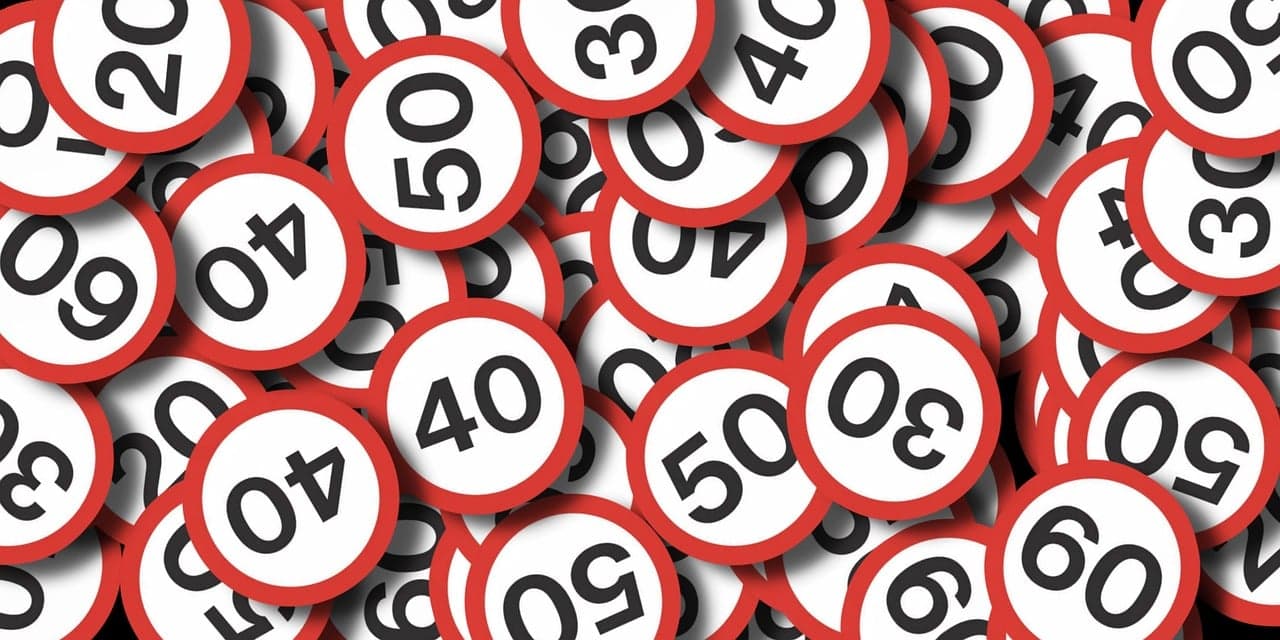
Speed Limits Compared: Cayman Islands vs Malta vs Cyprus
Cayman uses mph (25-50), Malta/Cyprus use km/h. Malta has no motorways (max 80 km/h). Cyprus goes up to 100 km/h. Side-by-side comparison of limits, penalties, and drink driving laws.
Key Takeaways:
- The Cayman Islands uses mph (25-50), while Malta and Cyprus use km/h
- Malta has no motorways — the maximum speed limit is just 80 km/h
- Cyprus has the highest limit of the three at 100 km/h on motorways
- Cayman is the only one of the three that drives on the left and uses mph
- All three countries enforce strict drink driving laws with BAC limits between 0.05% and 0.07%
If you are an expat, a new resident, or preparing for a driving theory test in the Cayman Islands, Malta, or Cyprus, understanding speed limits is fundamental. These three island nations share some similarities — compact road networks, tourism-heavy traffic, and strict enforcement — but their speed limits, measurement units, and penalty systems differ significantly. This guide compares all three side by side so you know exactly what to expect wherever you are driving.
Speed Limit Overview
According to the World Health Organization's Global Status Report on Road Safety, inappropriate speed contributes to approximately 30% of all road fatalities in high-income countries. All three countries set speed limits well below what many drivers consider "fast" — and for good reason, given their compact, densely populated road networks.
Here is how the three countries compare across road types:
Residential / Urban zones: Cayman Islands: 25 mph (approx. 40 km/h). Malta: 50 km/h (approx. 31 mph). Cyprus: 50 km/h (approx. 31 mph).
Urban main roads: Cayman Islands: 30 mph (approx. 48 km/h). Malta: 50 km/h (approx. 31 mph). Cyprus: 65 km/h (approx. 40 mph).
Main roads / Rural roads: Cayman Islands: 40 mph (approx. 64 km/h). Malta: 80 km/h (approx. 50 mph). Cyprus: 80 km/h (approx. 50 mph).
Highway / Motorway: Cayman Islands: 50 mph (approx. 80 km/h). Malta: No motorways. Cyprus: 100 km/h (approx. 62 mph).
The most important detail for visitors and new residents: Cayman uses miles per hour, inherited from the UK system, while Malta and Cyprus use kilometres per hour, the European standard. Confusing the two can lead to driving dangerously fast — 50 mph is 80 km/h, and 50 km/h is only 31 mph. Always check your speedometer's unit when renting a car.
Cayman Islands Speed Limits
The DVDL sets speed limits in miles per hour (mph), making Cayman one of the few places outside the UK and US still using imperial measurements on the road. Four tiers cover the entire network across Grand Cayman, Cayman Brac, and Little Cayman.
25 mph is the default residential limit. If no sign is posted, assume 25 applies. This covers side streets in West Bay, Bodden Town, and the eastern districts, as well as most roads on Cayman Brac and Little Cayman where traffic is light but pedestrians and livestock can appear unexpectedly. 30 mph applies to urban roads in George Town and the commercial stretches of West Bay Road, where pedestrians and cyclists are common. 40 mph covers arterial roads including the Linford Pierson Highway and Shamrock Road, where junctions and school zones require vigilance. 50 mph is the absolute maximum and applies only to the Esterley Tibbetts Highway, the dual carriageway along the Seven Mile Beach corridor.
Cayman also drives on the left, inherited from British rule, but many vehicles are left-hand drive imports from the US. This combination requires extra care when overtaking. The RCIPS enforces speed limits using portable cameras and handheld radar. For a full breakdown, read our Cayman Islands speed limits and road rules guide.
Malta Speed Limits
According to Transport Malta, speeding remains one of the top contributing factors in road traffic accidents. Speed limits are in kilometres per hour (km/h).
50 km/h is the standard urban limit across every town and village on Malta and Gozo. With over 1,600 people per square kilometre, the lower limit reflects constant pedestrian traffic and narrow streets. In historic cores like Valletta and Mdina, conditions often dictate speeds far below 50.
80 km/h is the maximum and applies to dual carriageways outside built-up areas. Malta has no motorways, making it unique among EU member states — the longest uninterrupted road stretch is only about 20 kilometres. Malta drives on the right, unlike the UK-influenced Cayman and Cyprus. Speed cameras are widespread, with fines starting at EUR 23.29 and escalating sharply for repeat offences. See our Malta speed limits, fines, and penalty points guide.
Cyprus Speed Limits
According to the European Transport Safety Council (ETSC), Cyprus has made significant improvements in road safety, partly through stricter speed enforcement. Cyprus is the only one of the three with a proper motorway network.
50 km/h is the standard urban limit in Nicosia, Limassol, Larnaca, and Paphos. School zones may have lower limits posted. 80 km/h applies to rural roads including winding Troodos mountain routes, where rain, fog, and occasional snow in winter demand extra caution. 100 km/h is the motorway limit on dual carriageways connecting Nicosia to Limassol, Larnaca, Paphos, and Ayia Napa — the fastest and safest roads on the island. Cyprus drives on the left, a legacy of British rule, so motorway overtaking is done on the right.
Speed cameras, both fixed and mobile, are deployed across the motorway network and in urban areas. The theory test covers speed limits extensively, so practise on our Cyprus road signs page. For full details, read our Cyprus speed limits, fines, and penalty points guide for 2026.
Penalty Systems Compared
The European Commission notes that penalty point systems are among the most effective tools for reducing repeat offences. All three countries use point-based systems with different thresholds.
Cayman Islands: The RCIPS operates a penalty points system linked to your licence. Speeding fines start at CI$150 and increase based on how far over the limit you were travelling. The BAC limit is 0.07%, more lenient than European standards, though enforcement is strict and includes roadside breath tests and vehicle impoundment for offenders.
Malta: Transport Malta allows a maximum of 12 penalty points before licence disqualification. Minor speeding incurs 1-3 points, while serious offences carry up to 9. The BAC limit is 0.05%, the European standard. Drink driving carries heavy fines, potential imprisonment, and automatic licence suspension. Points remain on your record for three years.
Cyprus: Following a 2025 overhaul, a 16-point system applies — reaching 16 triggers automatic suspension. Speeding fines start at EUR 1 per km/h over the limit, escalating to court appearances for excessive speed. The BAC limit is 0.05%, with new drivers (less than three years) facing a stricter 0.02% limit, effectively requiring zero alcohol.
Which Country Is Strictest?
Cyprus has the highest fines and the most recently modernized penalty system after its 2025 reform. Malta is the most unique — no motorways, a maximum of 80 km/h, and narrow streets that challenge even experienced drivers. Cayman has the most expensive licensing process — since 1 September 2026 a non-Caymanian pays about CI$645 (approximately USD$774) all-in for a 3-year licence, meaning a suspension hits particularly hard.
Regardless of which country you are in: know the limits, drive within them, and never drink and drive. Prepare for your theory test with our practice tests for the Cayman Islands, Malta, or Cyprus.
Speed limit data verified against official government sources: DVDL Cayman Islands, Transport Malta, and the Cyprus Road Transport Department.
Frequently Asked Questions
Can I use my Cayman licence in Malta or Cyprus?
Not directly. In Malta and Cyprus, EU and UK licences are accepted, and visitors can use an IDP for short stays. The Cayman Islands is not part of the IDP system. If you are relocating, all three countries require you to obtain a local licence by passing the theory test.
Why does Cayman use mph while Malta and Cyprus use km/h?
All three countries have British colonial histories, but Malta and Cyprus adopted the metric system when they joined the European Union (Malta in 2004, Cyprus in 2004). The Cayman Islands, as a British Overseas Territory that is not part of the EU, retained the imperial system. The UK itself still uses mph on roads, so Cayman's system aligns with current British practice.
What happens if I speed in a rental car?
In all three countries, speeding fines follow the vehicle. The rental company will charge your credit card, often with an administrative surcharge. In Malta and Cyprus, speed cameras may catch you without your knowledge. In Cayman, roadside enforcement means you are more likely to be pulled over on the spot.
Is there a speed limit for new drivers?
Cyprus imposes a lower BAC limit of 0.02% for new drivers (less than three years), effectively requiring zero alcohol. Malta and Cayman do not impose separate speed or BAC limits for new drivers.
Are speed cameras common in all three countries?
Malta has the most extensive fixed camera network relative to road length. Cyprus has expanded coverage significantly since 2023 with fixed and mobile units. The Cayman Islands relies on mobile enforcement — portable cameras and handheld radar at known hotspots.
Related Guides
Continue learning with these related articles
Turks and Caicos Driving Licence Cost (2026): Every DMV Fee, Class and Renewal Rule
What a Turks and Caicos driver's licence really costs: $250 for a first class E licence if you pass first time, the $150 and $375 fee groups by class, replacement and add-class fees, validity to the birthday after four years, and the fines that add to the bill.
Turks and Caicos DMV: Offices, Hours, Fees and Services
Everything about the Turks and Caicos Department of Motor Vehicles: the four offices with addresses, phone numbers and opening hours, what to bring for each service, the full fee list, and the recent plate and tint changes.
Driving in Turks and Caicos: Foreign Licences, the Visitor's Permit and Rental Rules
Visiting or moving to Turks and Caicos? The 30-day rule for US, Commonwealth and IDP licences, the $30 visitor's driving permit, driving on the left, roundabouts, the posted 20 and 40 mph limits, seat belts, the 0.08 limit, and what to do after an accident.

Bermuda Youth Licence and Project Ride: Riding at 16 (2026)
How 16-year-olds get on the road in Bermuda: Project Ride, the Bermuda Youth Licence for 50 cc auxiliary cycles, the no-passenger and 1 a.m. to 5 a.m. restrictions, and approved helmets.
Ready to test your knowledge?
Put what you've learned into practice with our free driving theory practice tests.
Start Practicing